The model name is only the first filter
Buyers often treat T35 and T40 as a simple smaller-versus-larger choice. That is directionally useful, but an actual purchase depends on the rock drill, thread system, rod length, carousel capacity, engine version, dust collector and market configuration fitted to the unit. Two machines with the same badge can have different working limits and different parts requirements.
Begin with the blast plan and current tooling. If your quarry already uses a specific thread, rod length and bit family, changing systems can add inventory and training cost. If this is a new operation, compare the complete drilling package and local support rather than preserving a tooling system you do not yet own.
Where the T35 normally fits
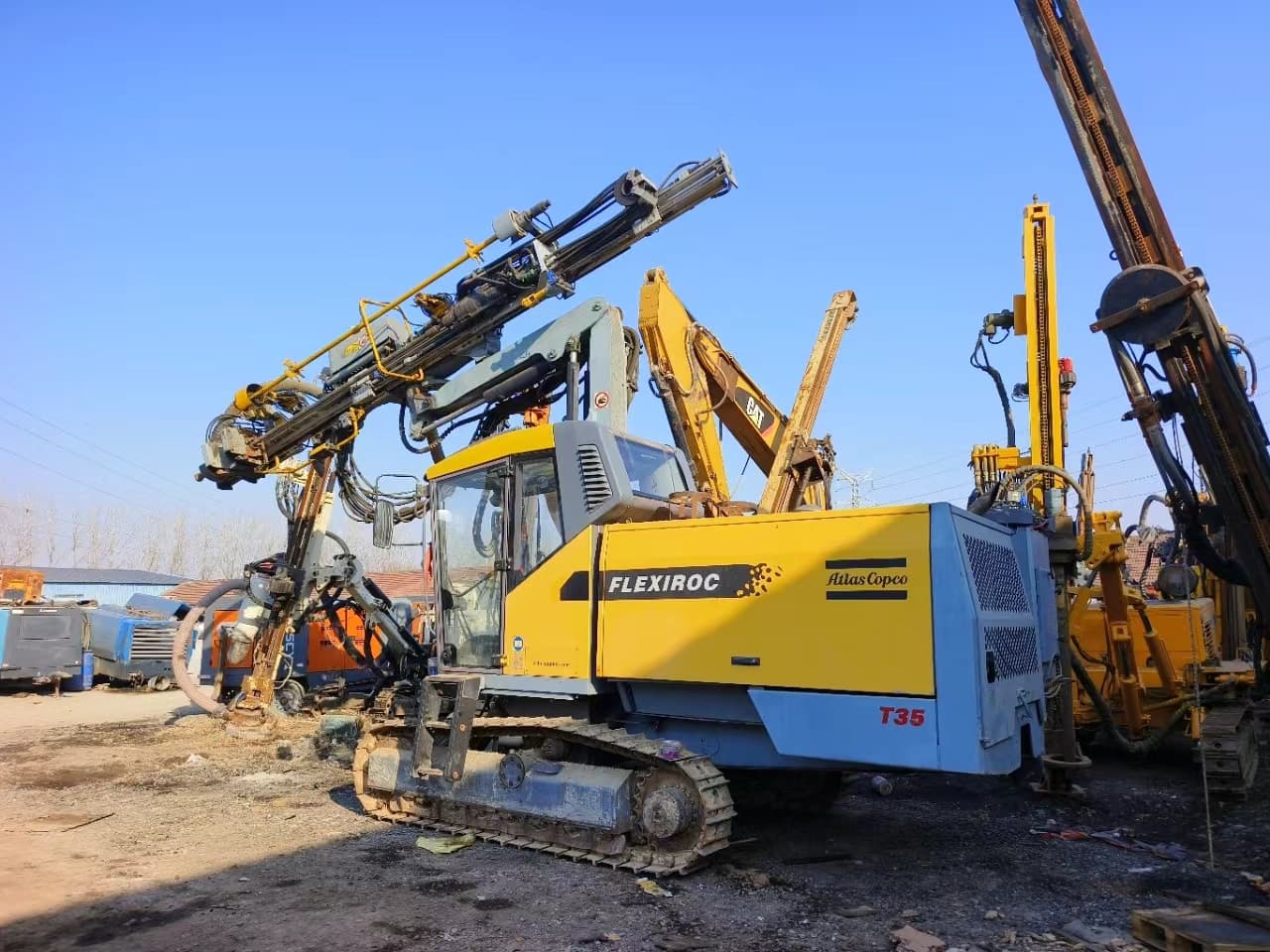
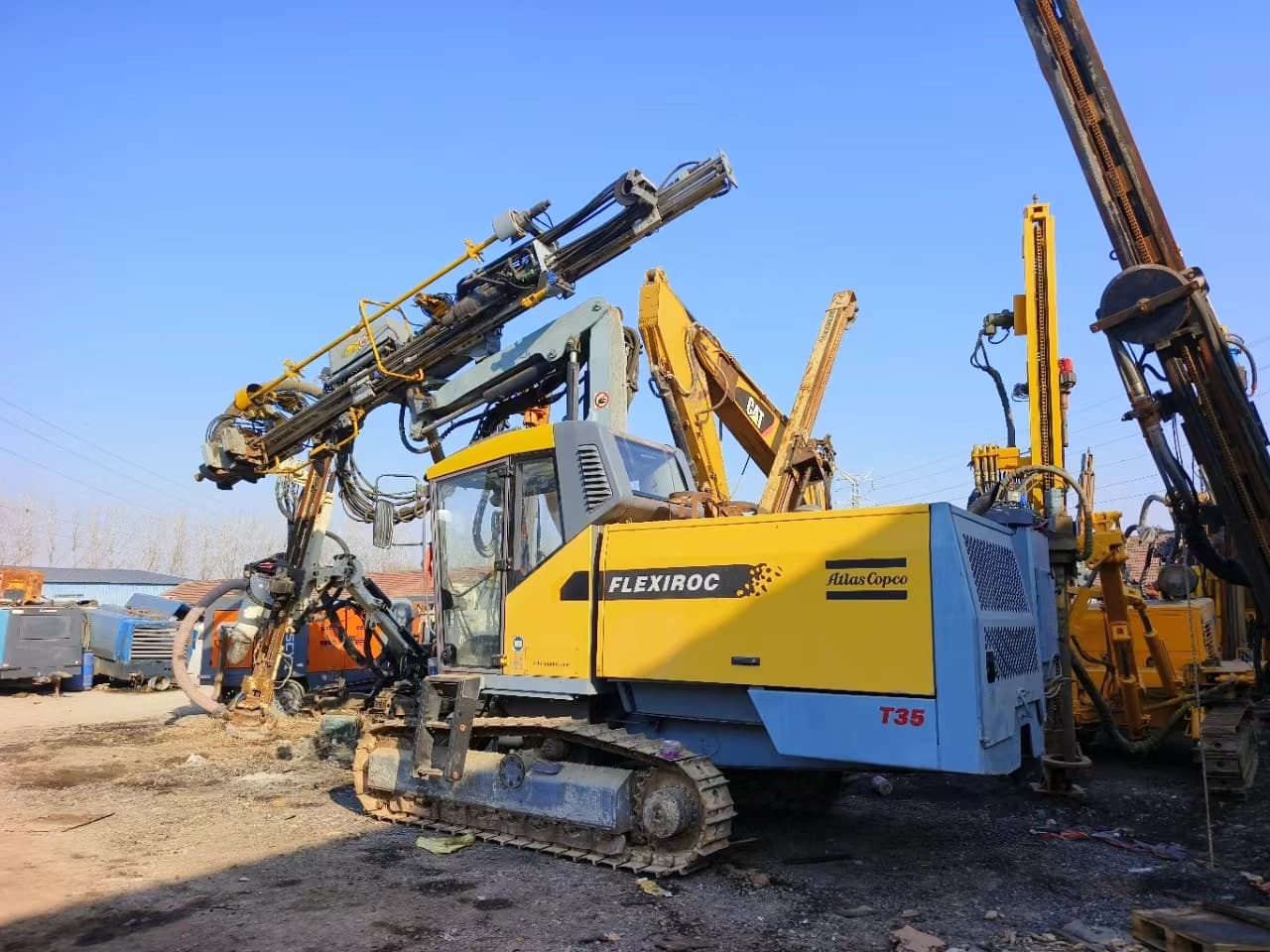
Epiroc currently lists the FlexiROC T35 for quarrying and civil engineering with top-hammer drilling and a published 64–115 mm hole range. The page also notes that configurations vary. For many buyers, the T35 is attractive where access, maneuverability and small-to-medium production holes matter more than operating at the upper end of the T40 range.
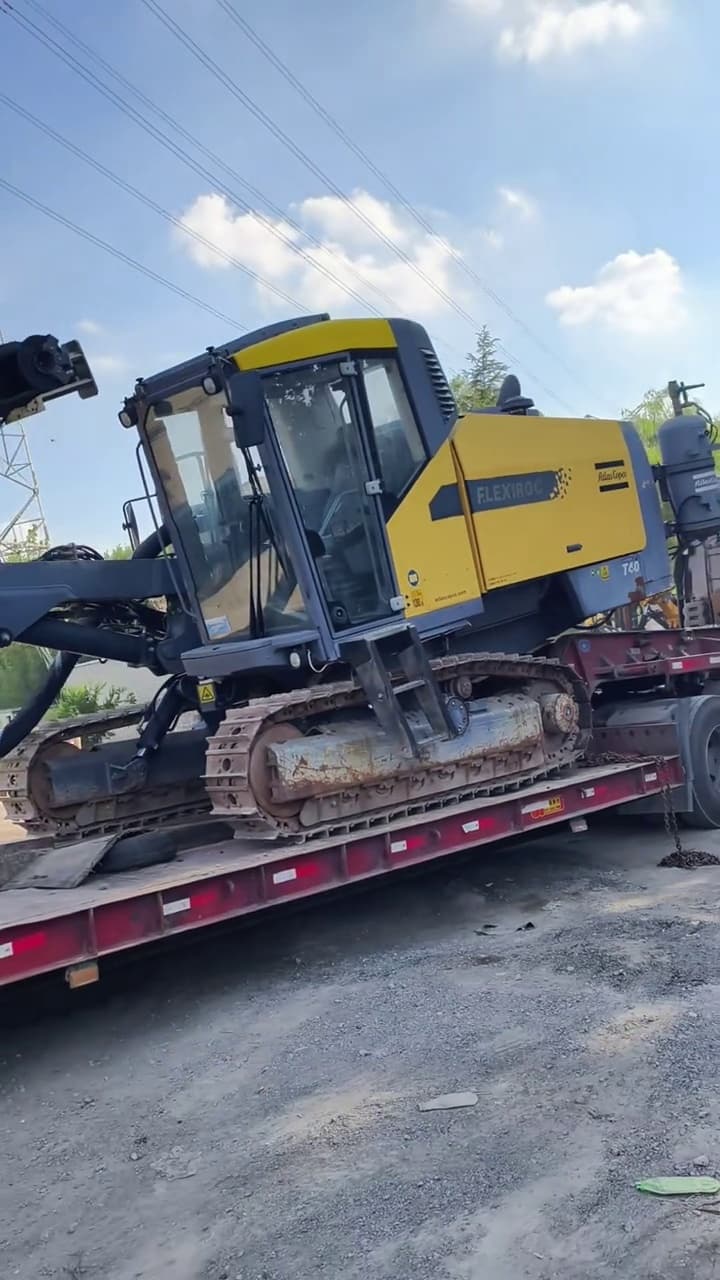
Do not convert that published range into a guarantee for a used unit. Confirm the installed rock drill, rod thread, feed length and options by plate and close-up video. A seller's statement about daily meters can be recorded as a claim, but it should not replace a test in representative rock or a condition-based estimate.
Where the T40 creates useful headroom
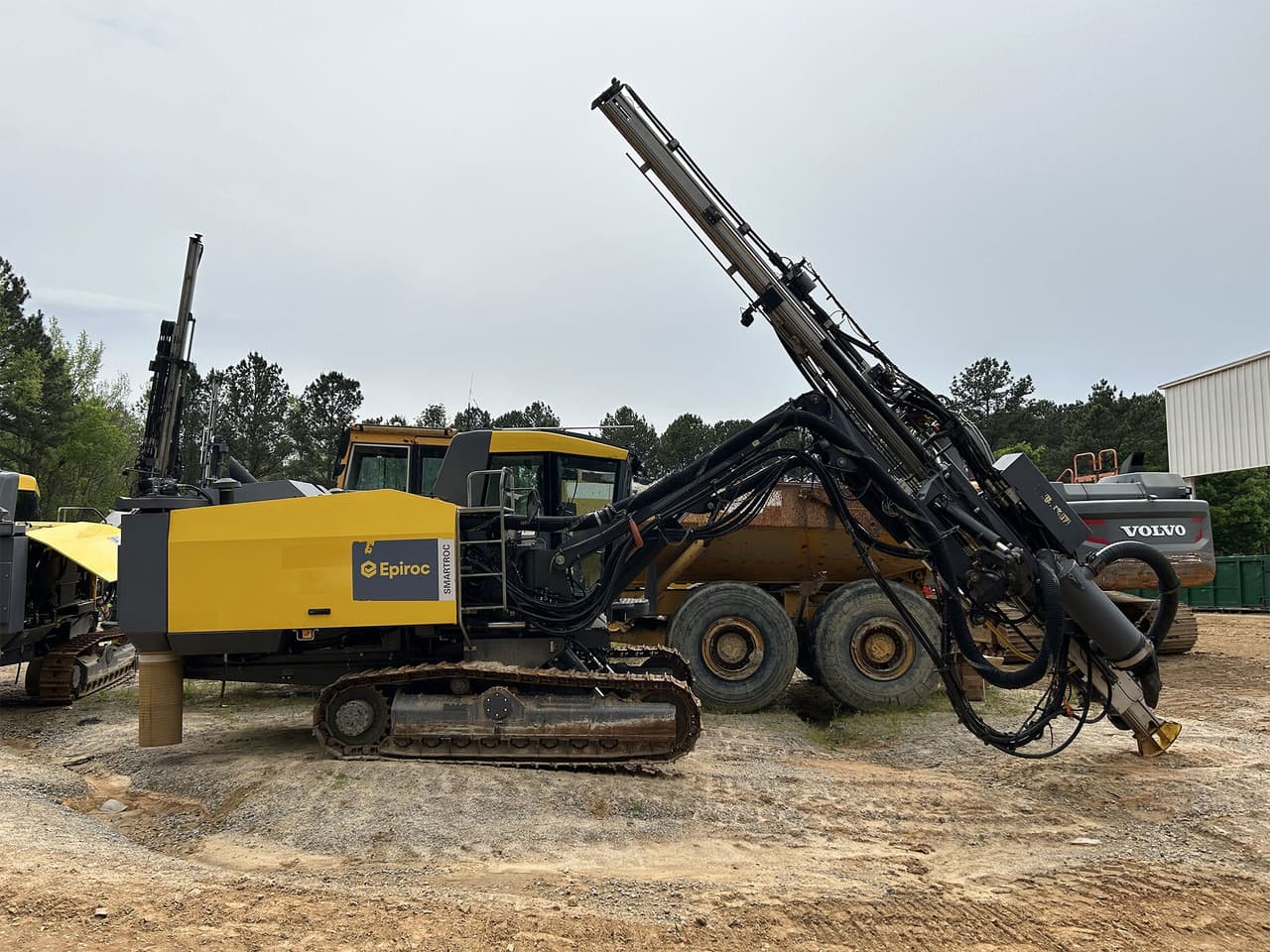
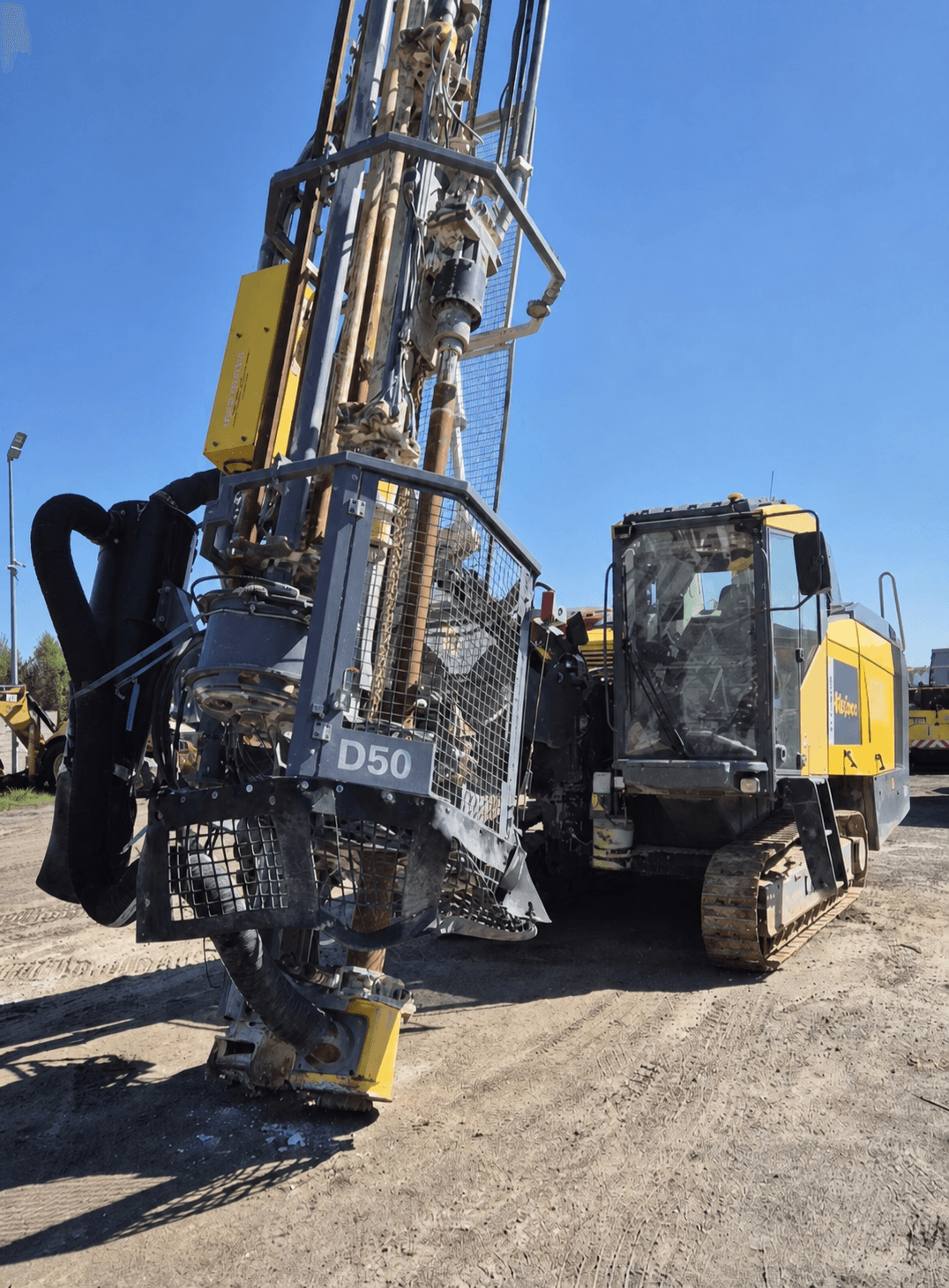
The current FlexiROC T40 brochure lists a recommended overall range of 64–127 mm, with the detailed range depending on the fitted rock drill and thread. That broader envelope can make the T40 a better choice where the project regularly moves into larger blast holes or where the buyer wants more configuration headroom.