
Loading…
Search by brand, model and equipment parameters

Suitable for surface rock, quarry, mine and construction drilling, depending on hole diameter, geology, drill rods and hammer configuration.
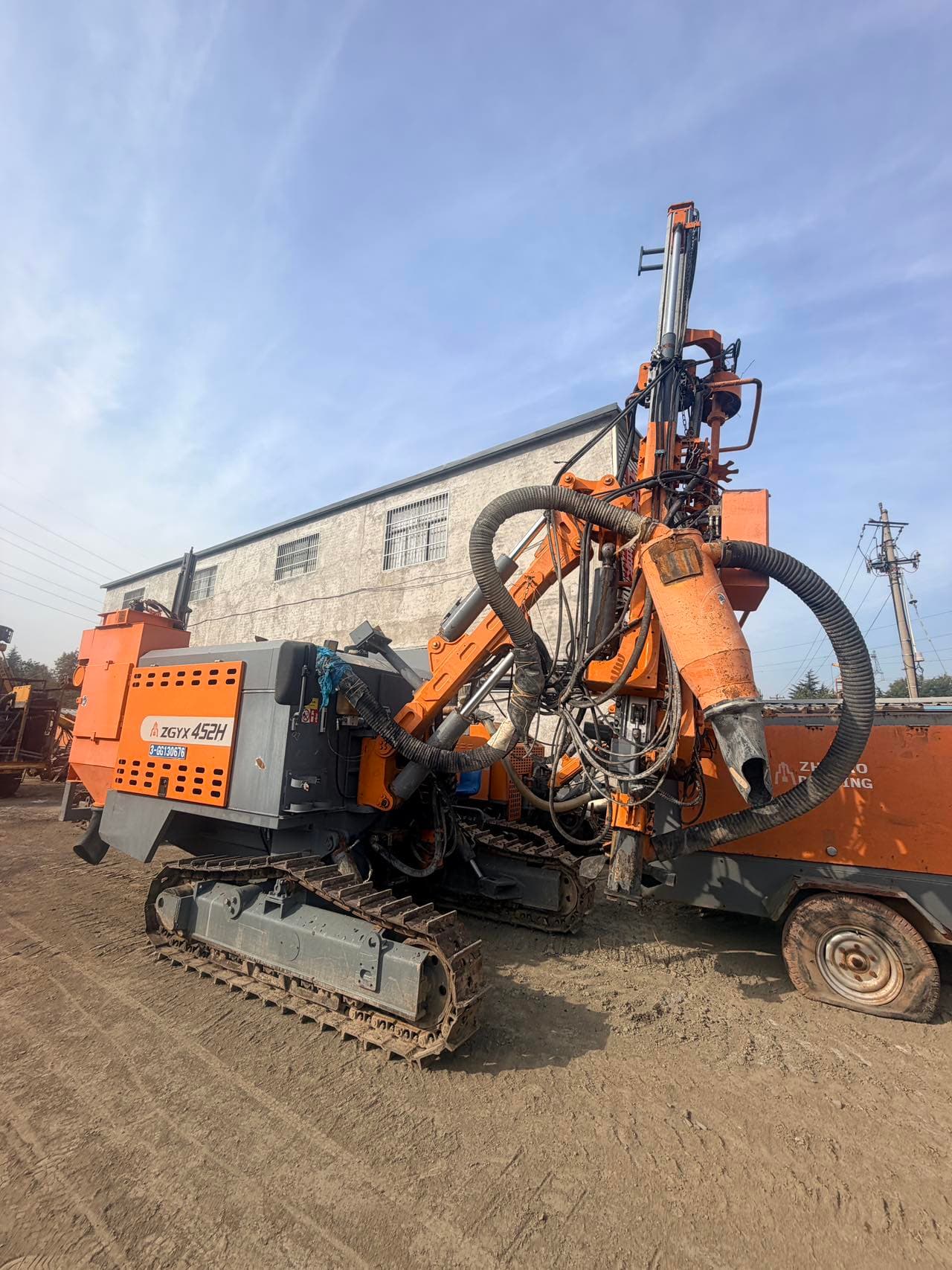
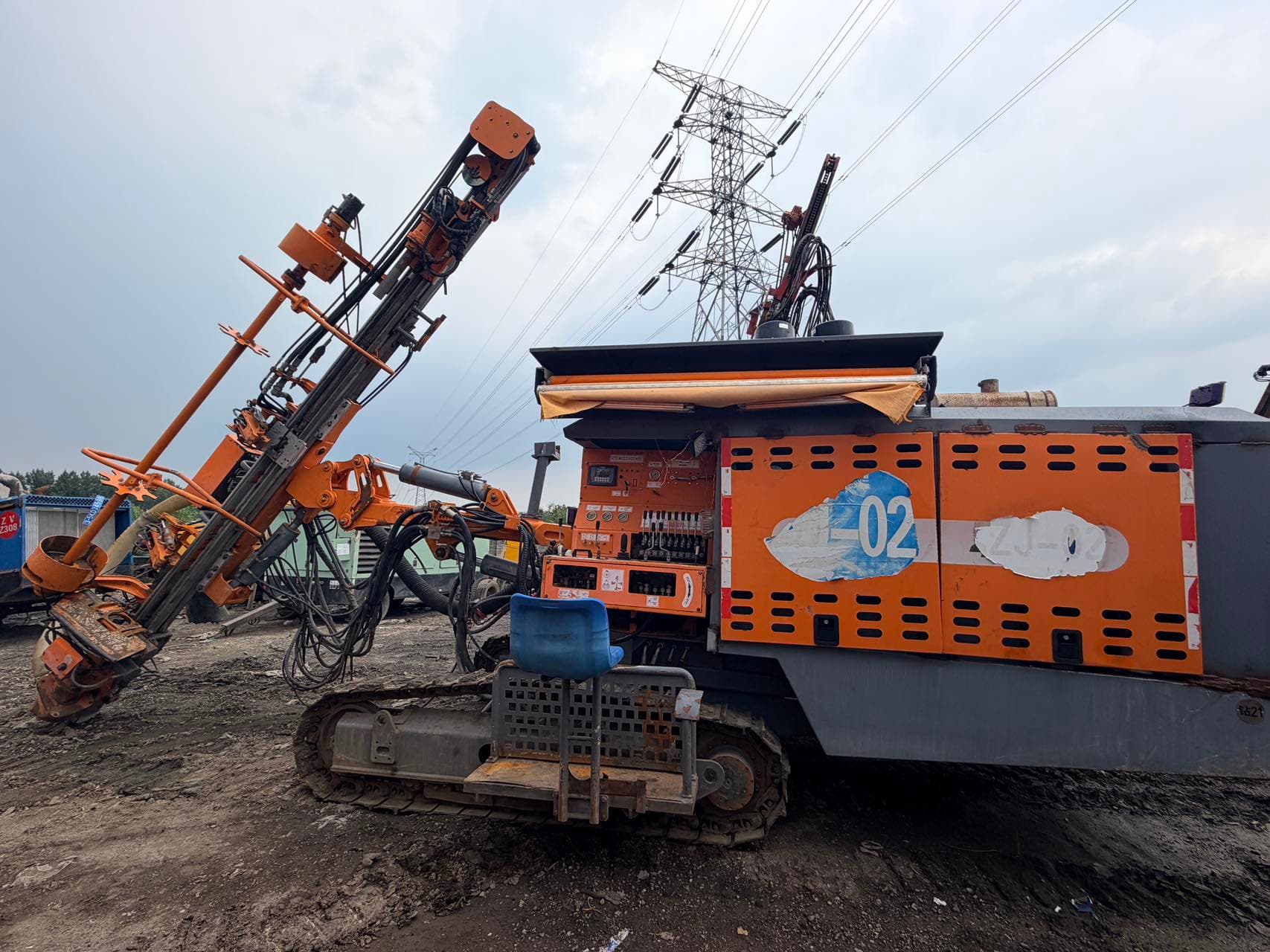
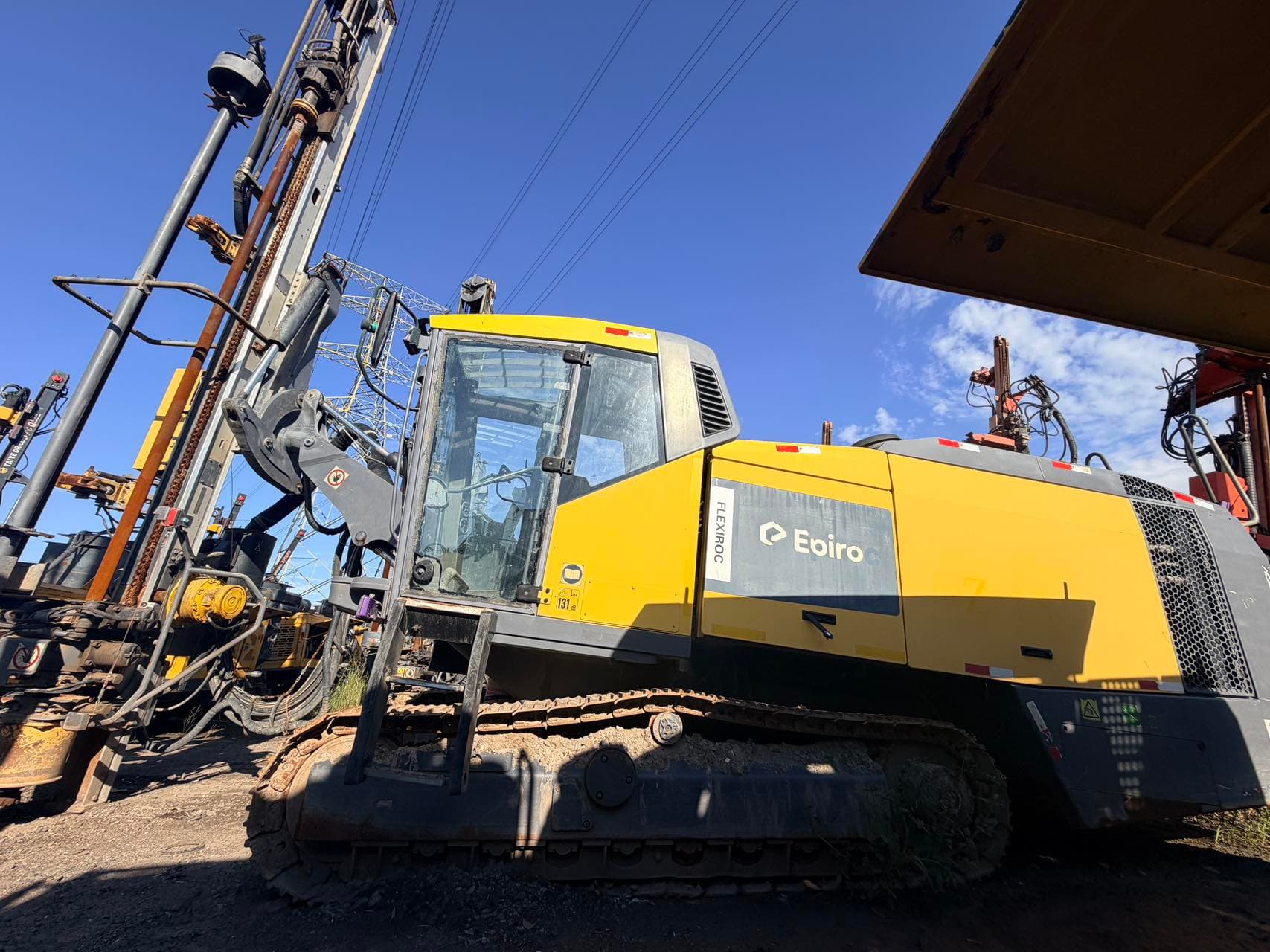
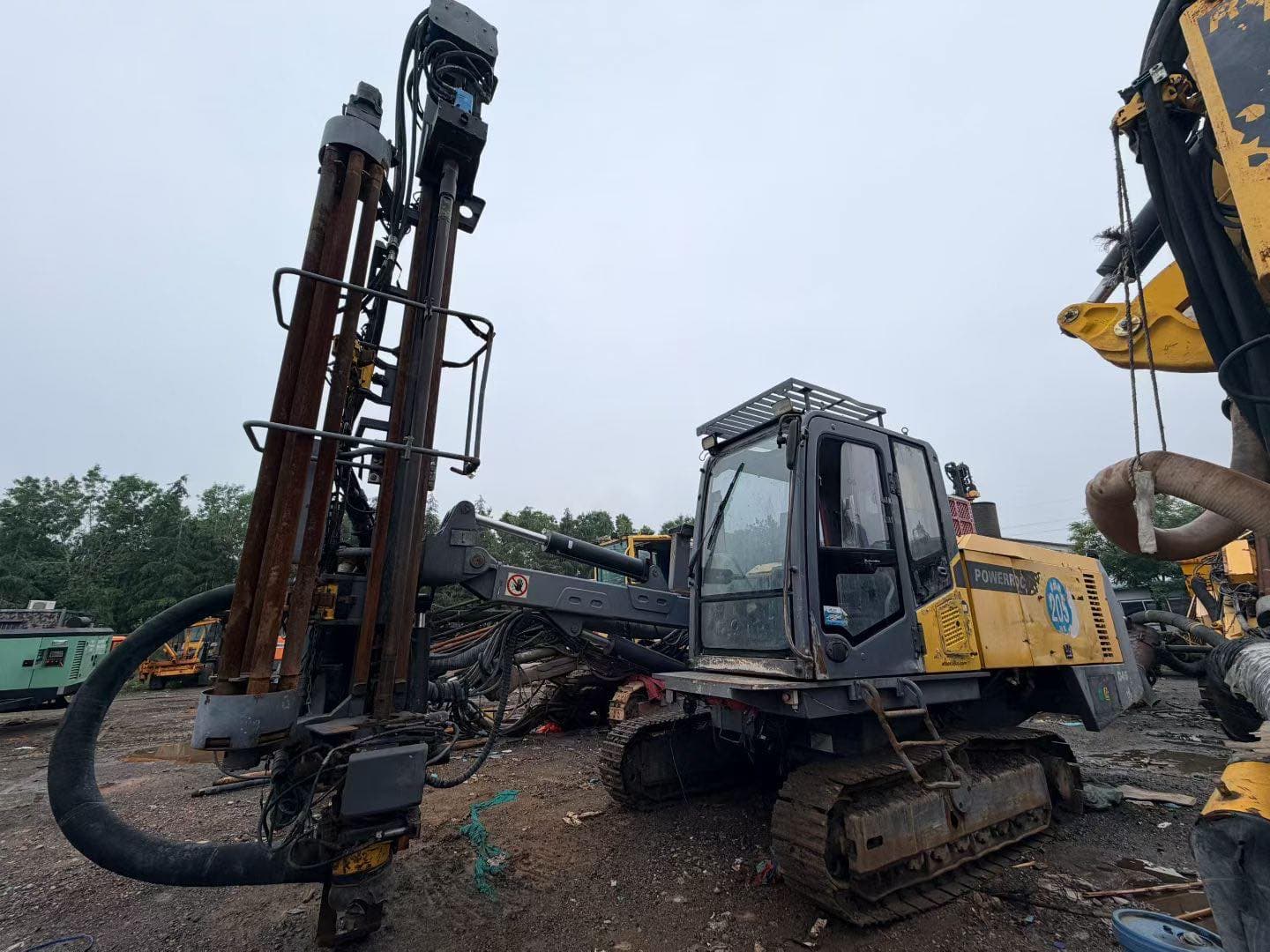
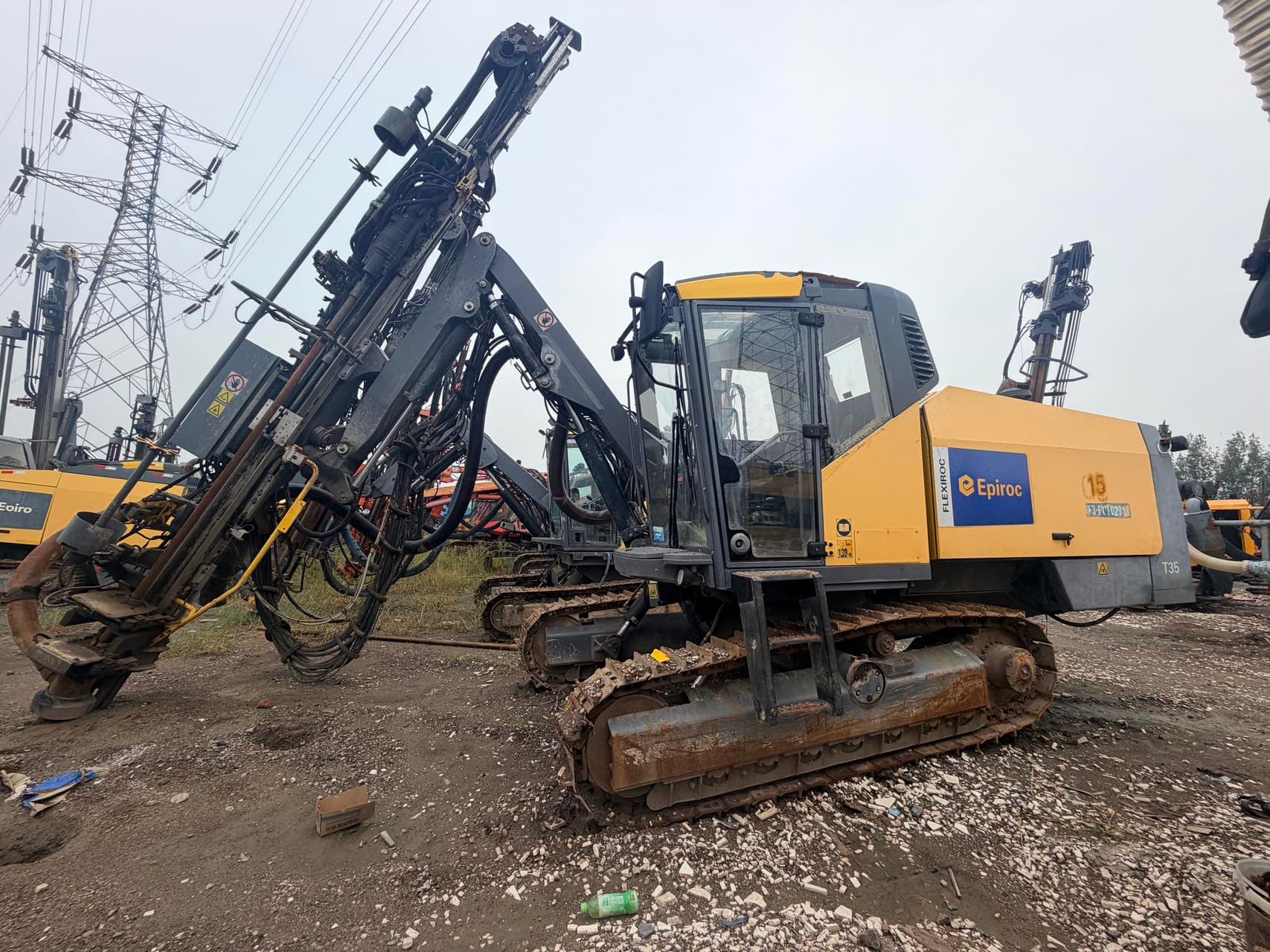
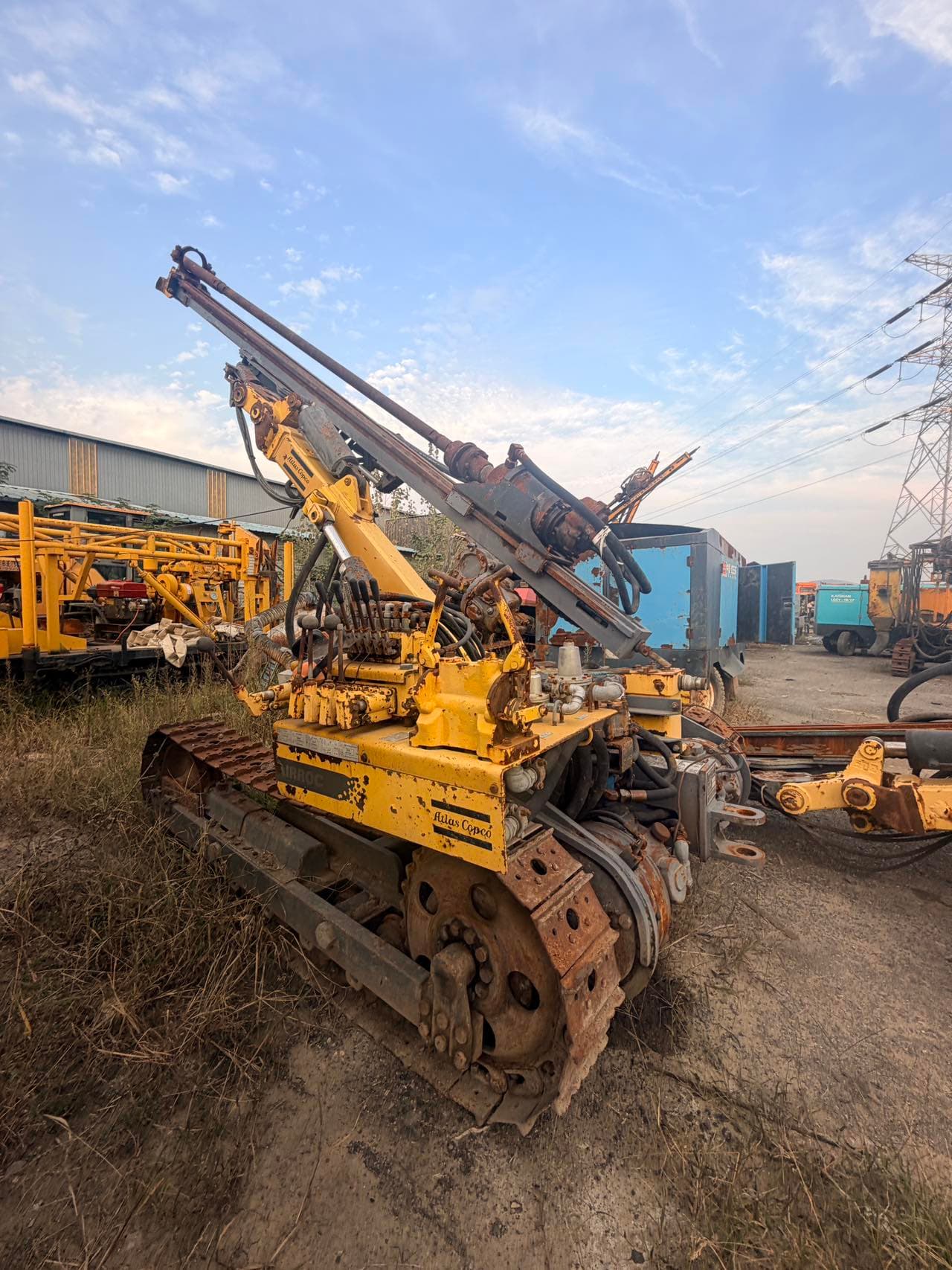
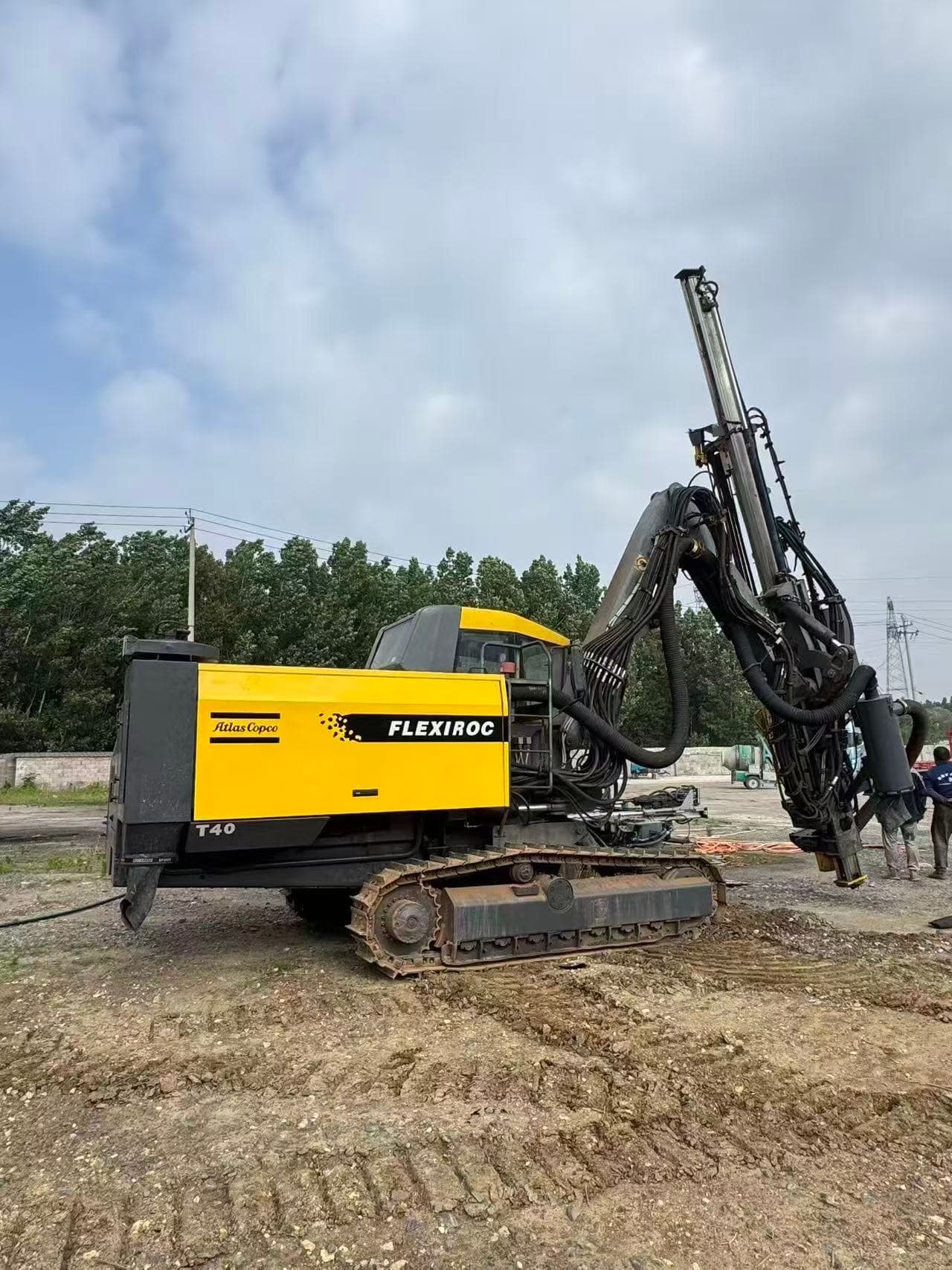
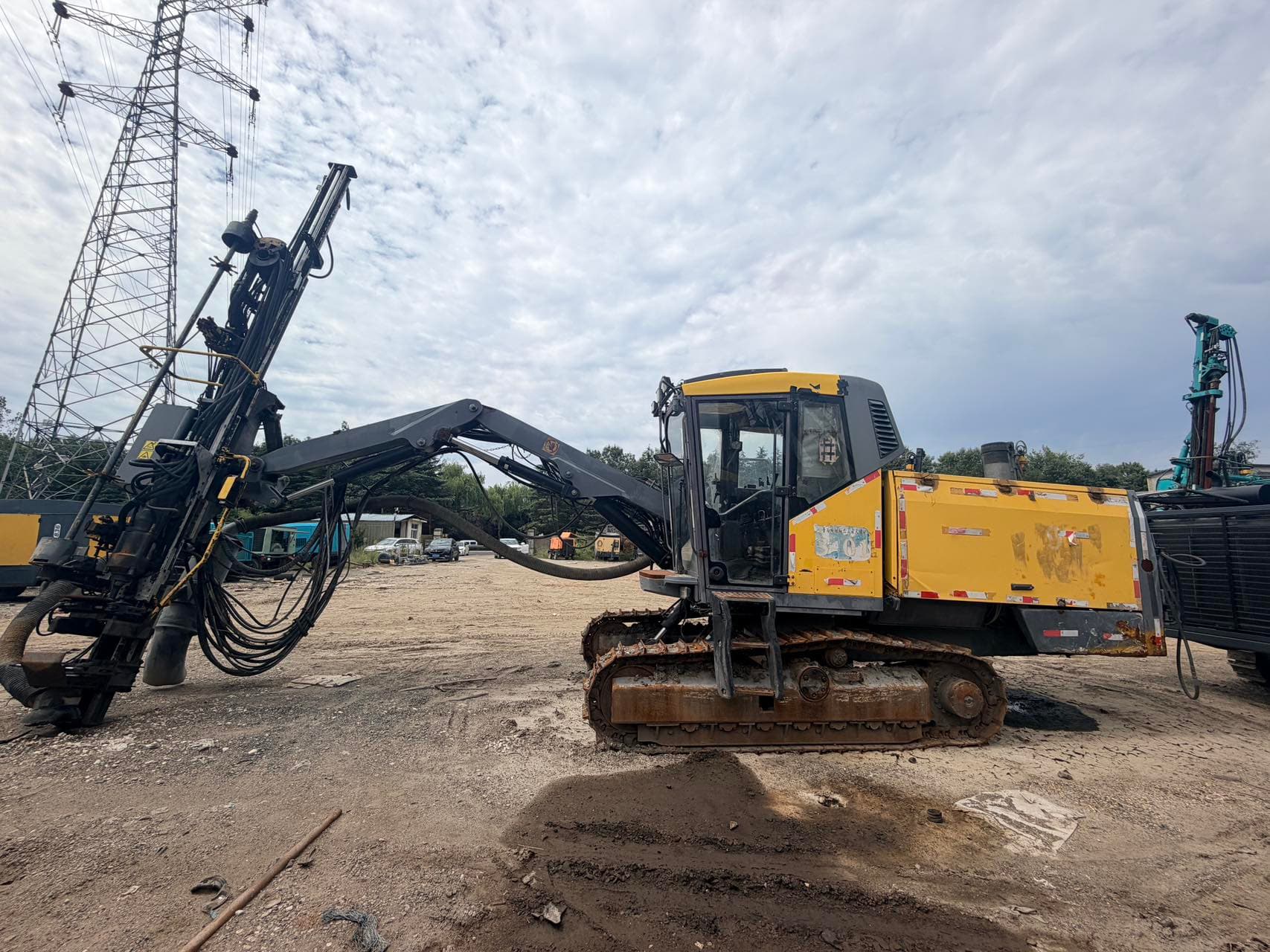
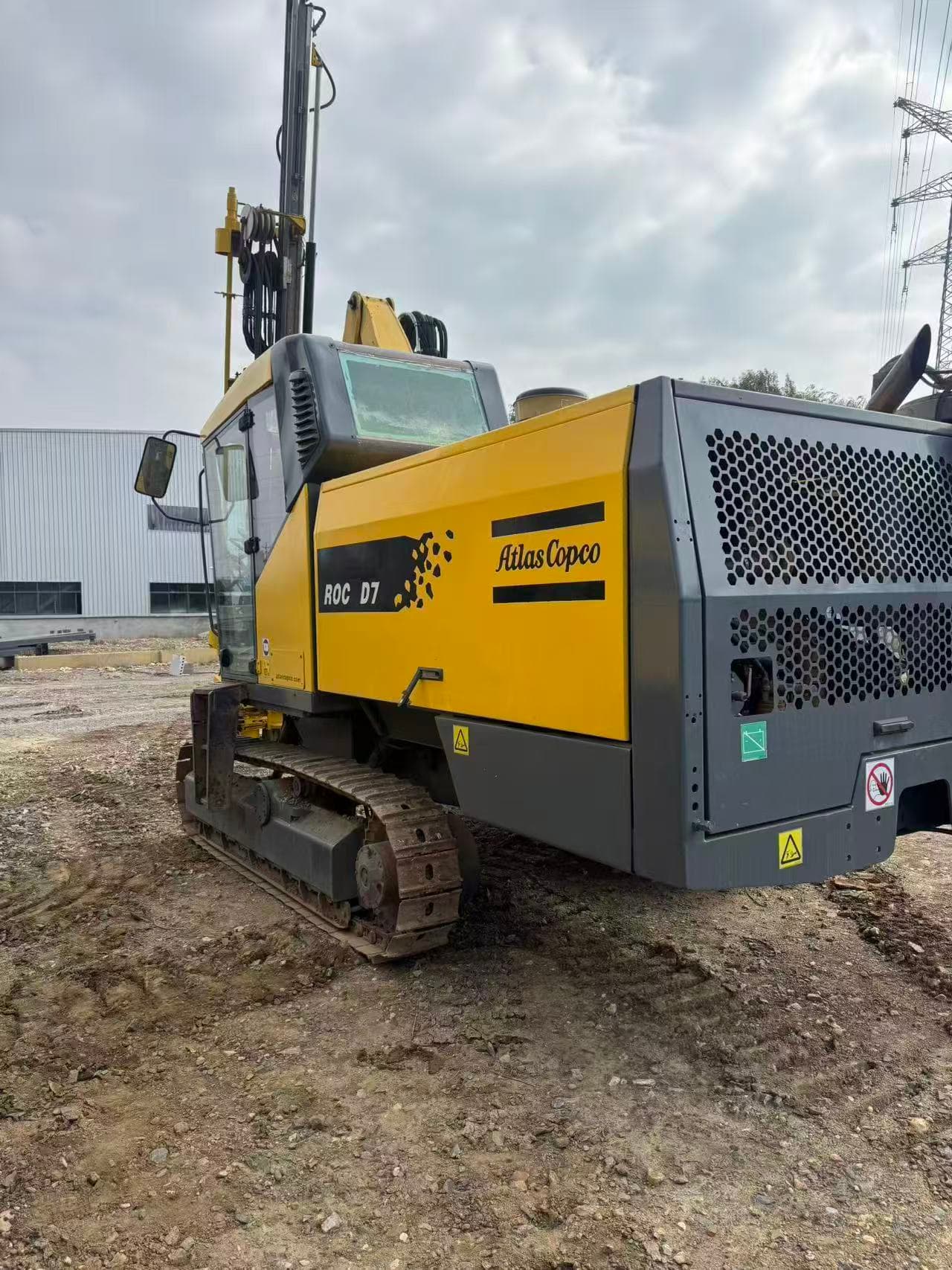
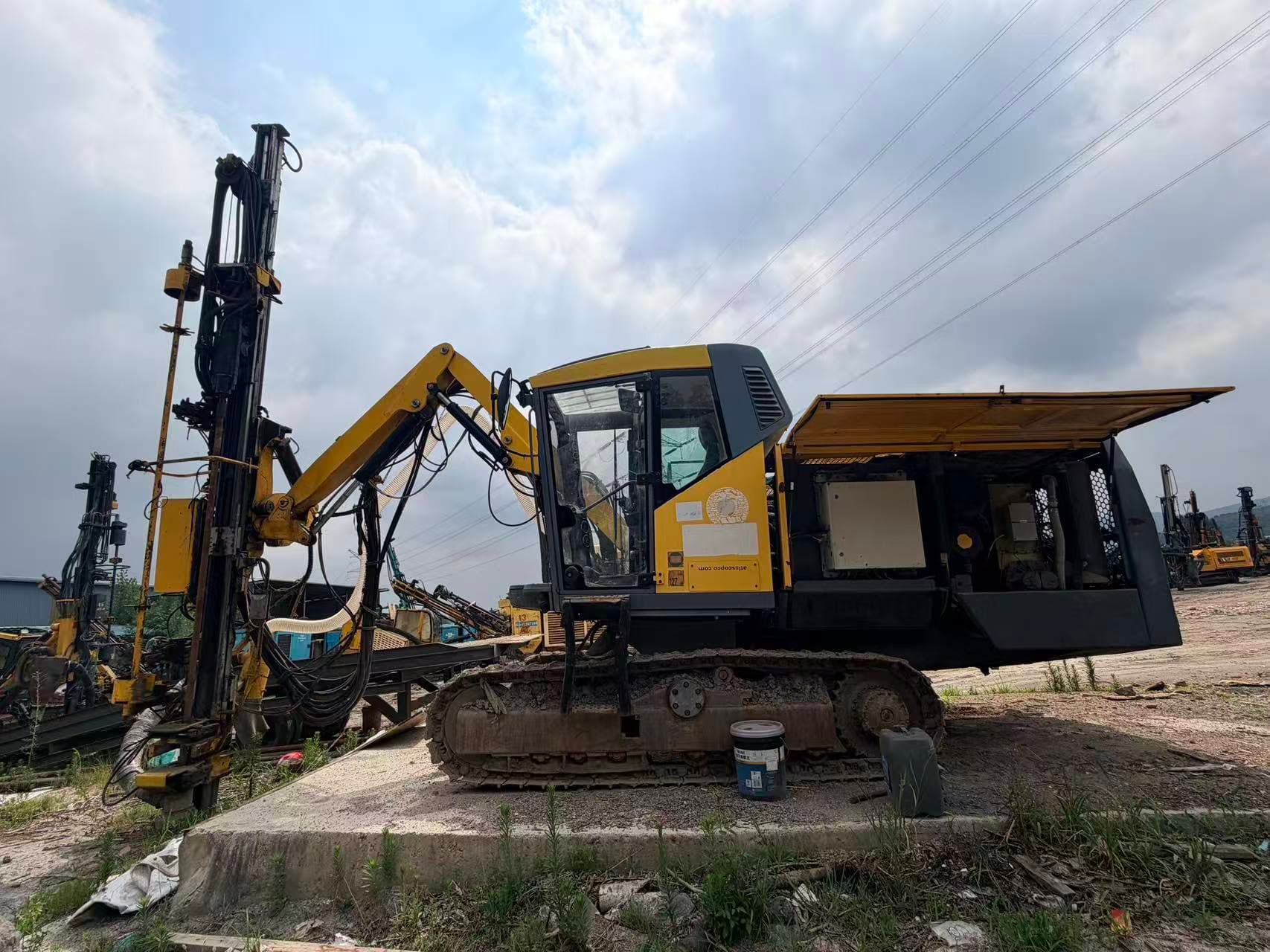
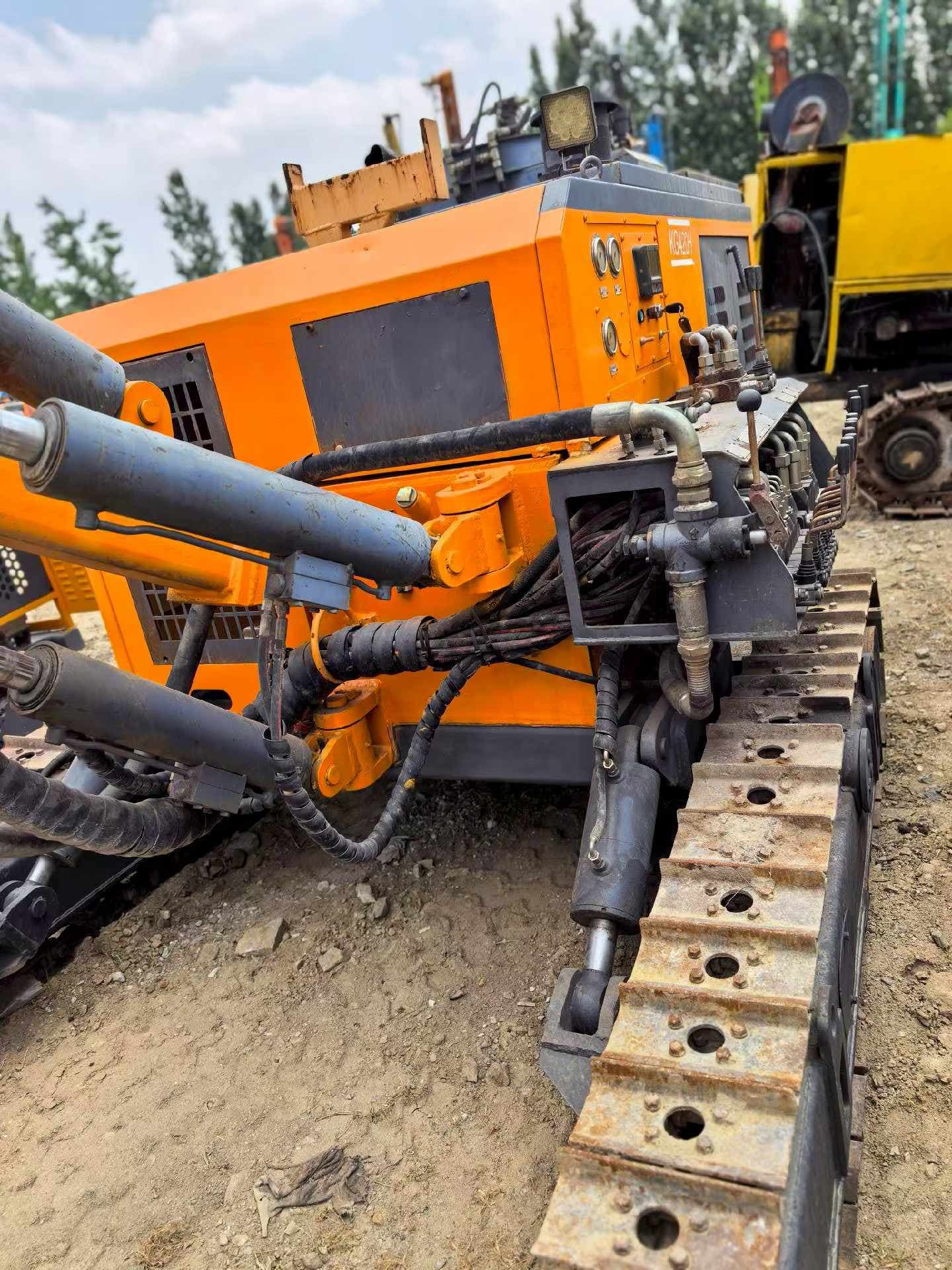
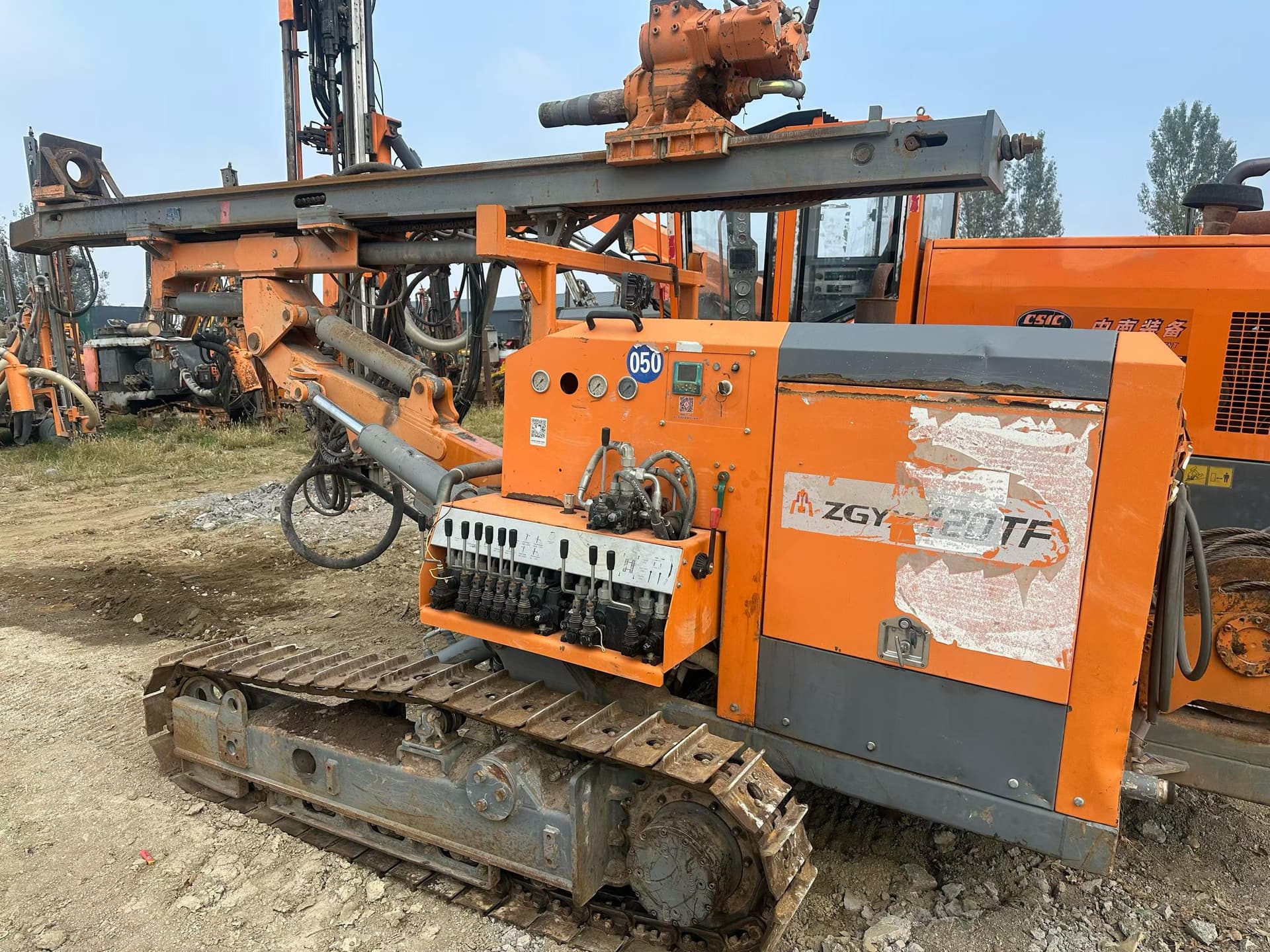
Suitable for surface rock, quarry, mine and construction drilling, depending on hole diameter, geology, drill rods and hammer configuration.
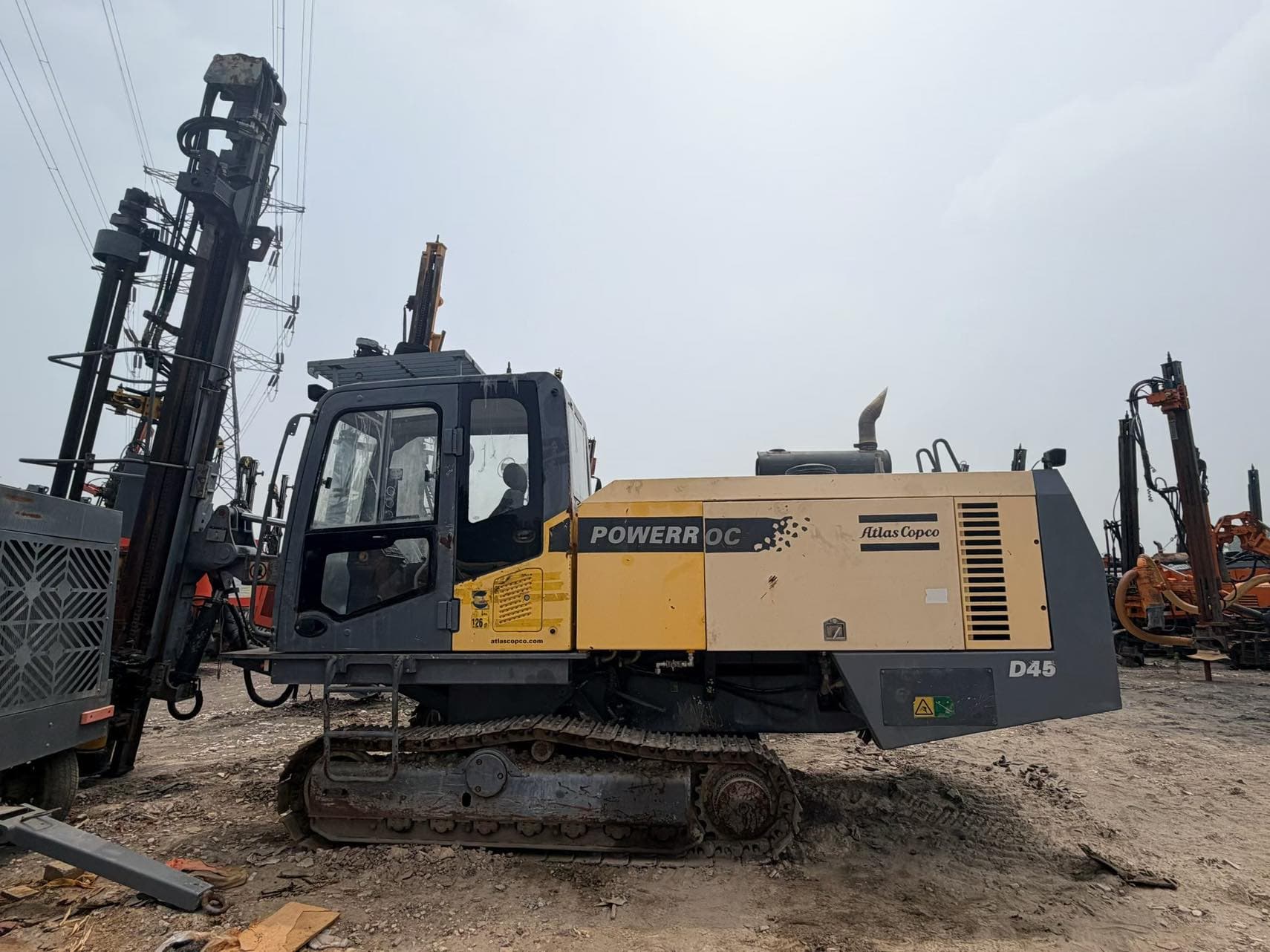
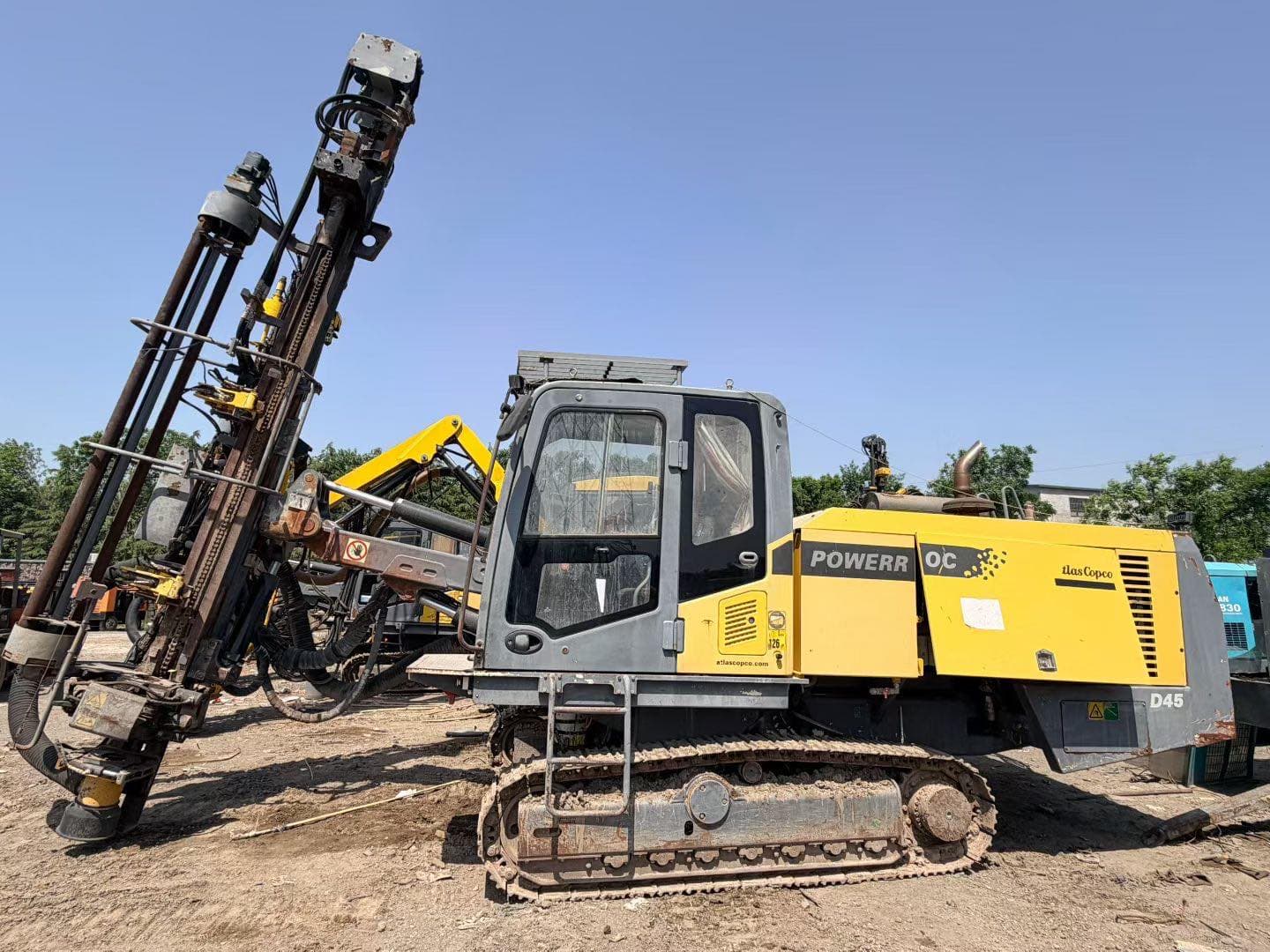
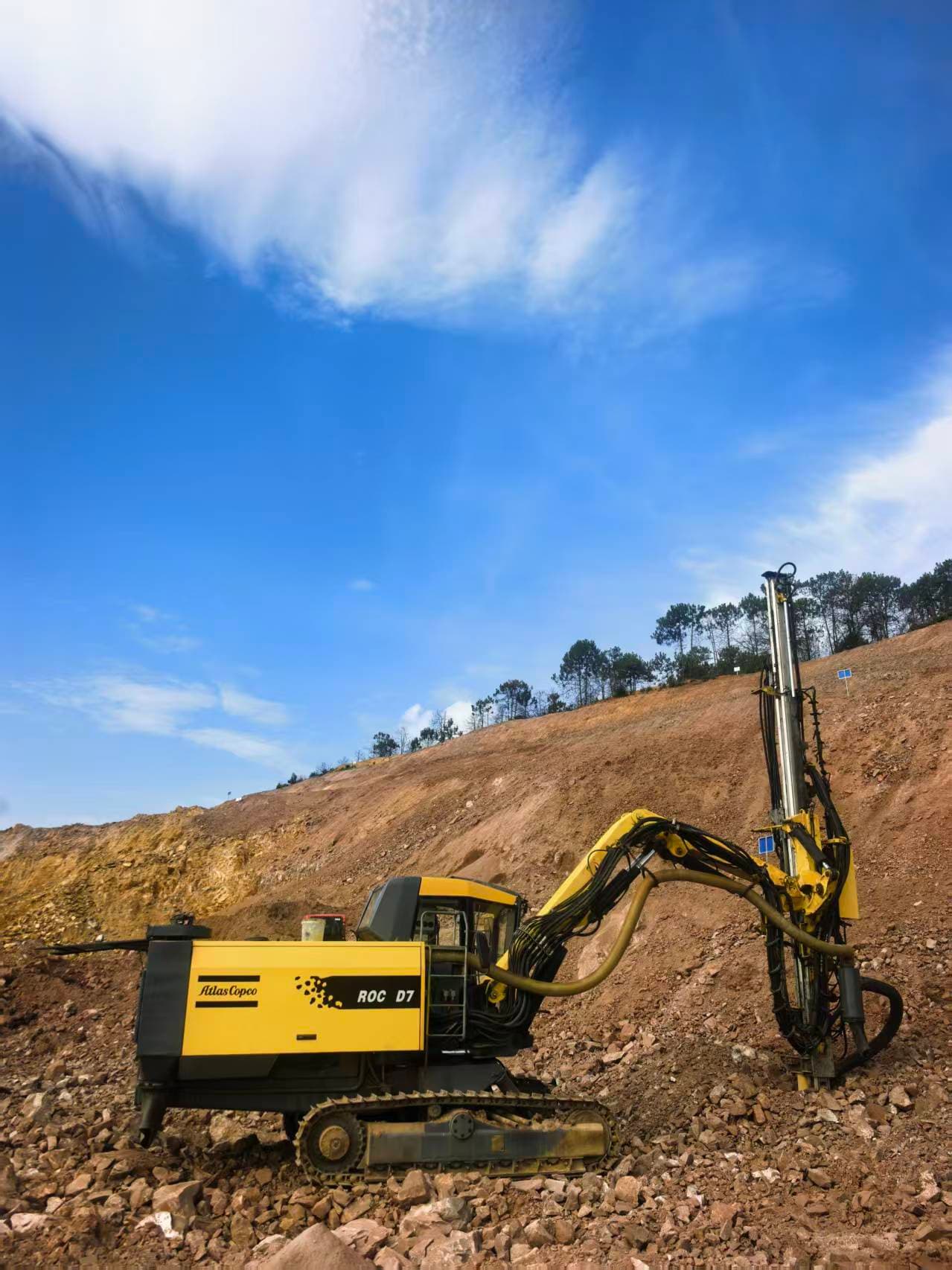
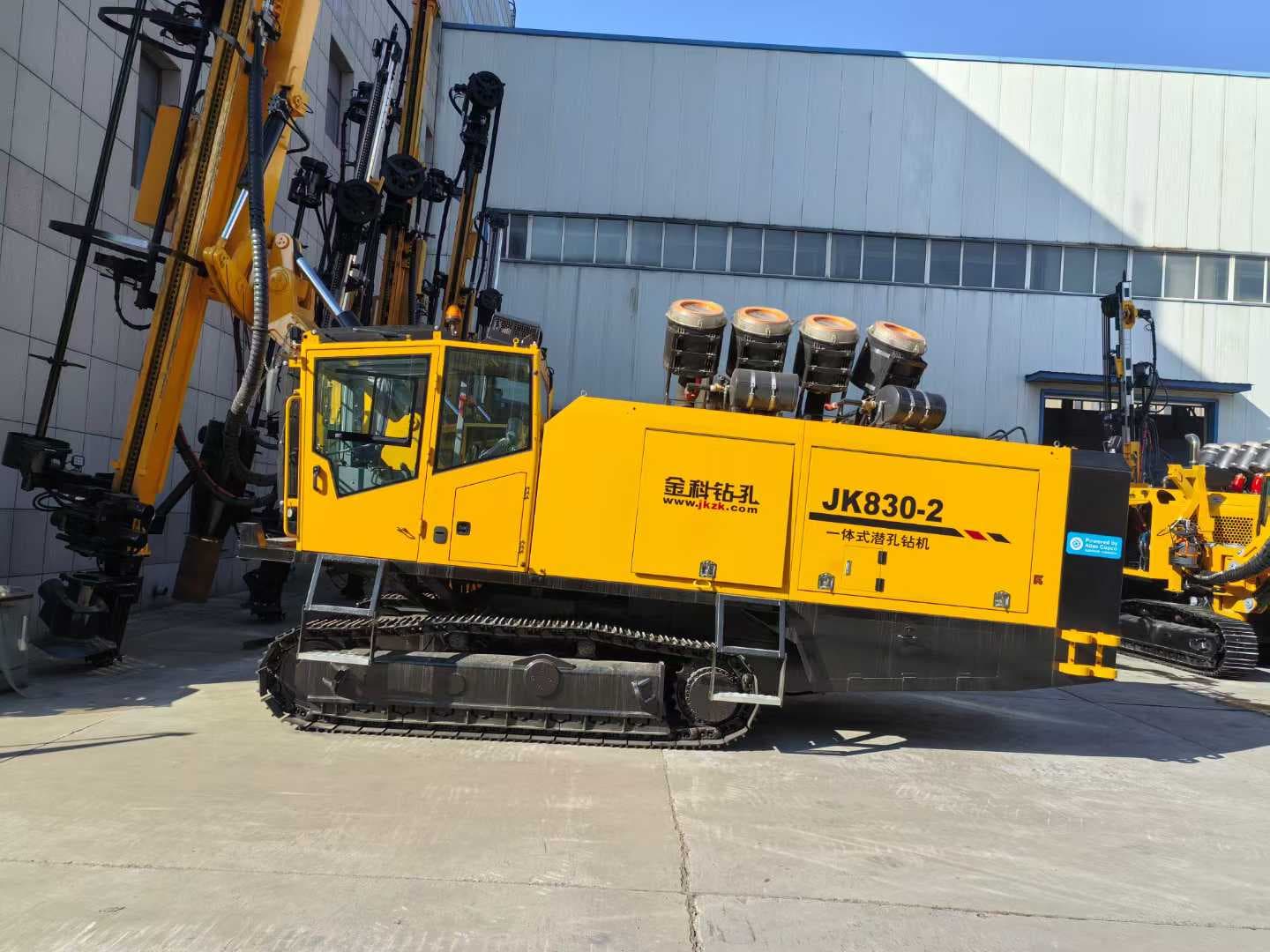
For open-air rock, quarry, mining, and construction drilling, depending on hole diameter, geological conditions, drill rod, and impactor configuration.

Suitable for surface rock, quarry, mine and construction drilling, depending on hole diameter, geology, drill rods and hammer configuration.
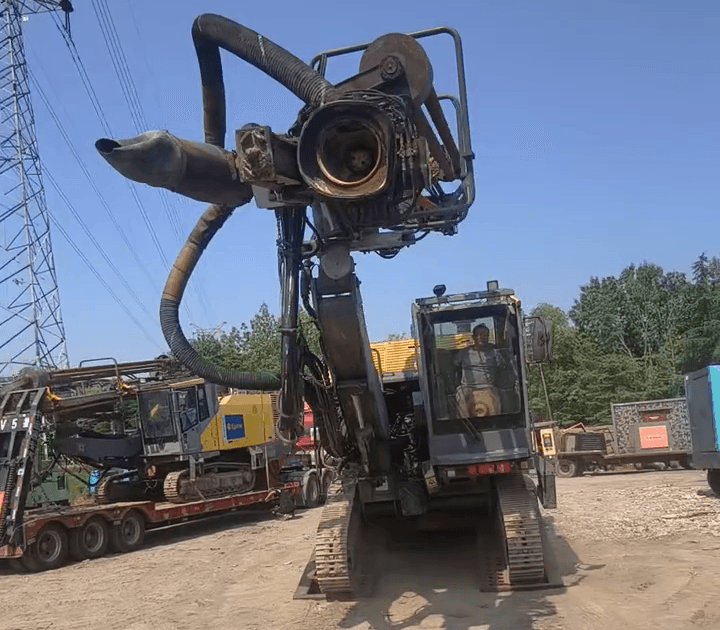
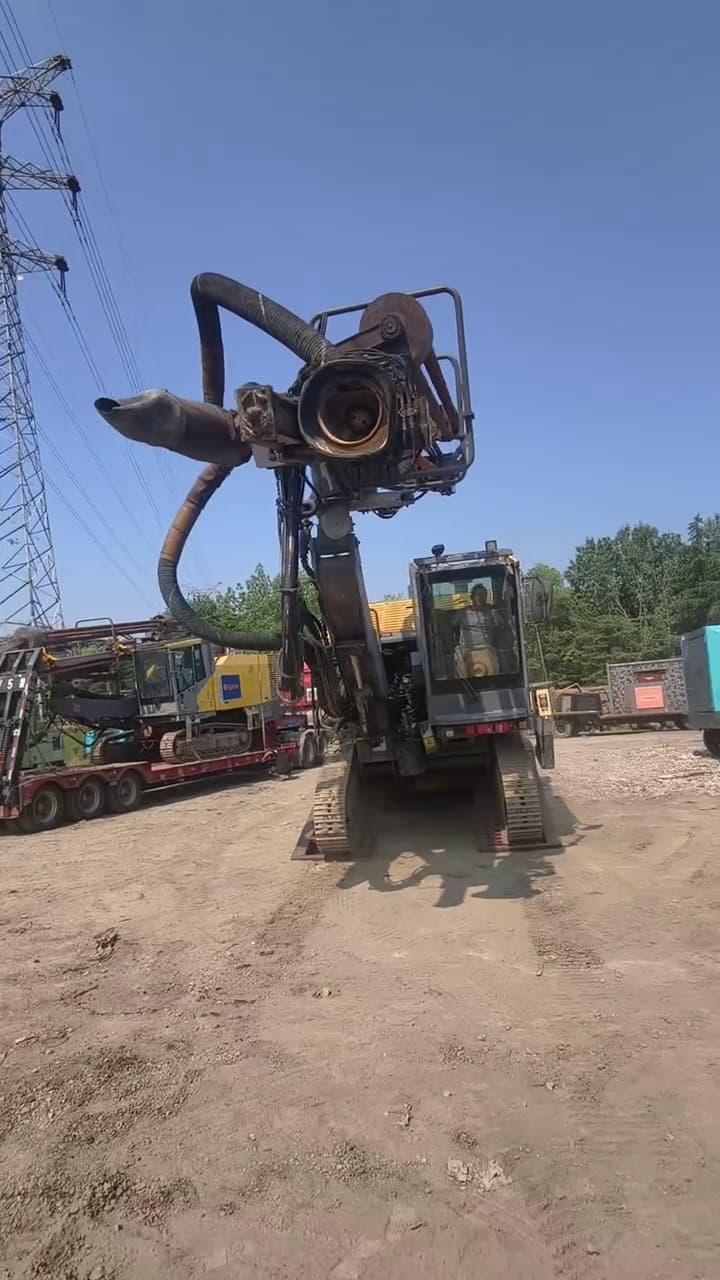
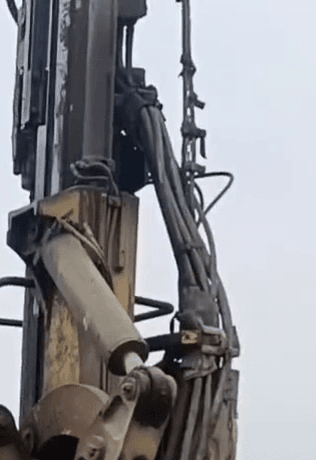
Drilling rock and surface holes after confirming hole diameter, depth, formation and air requirements.
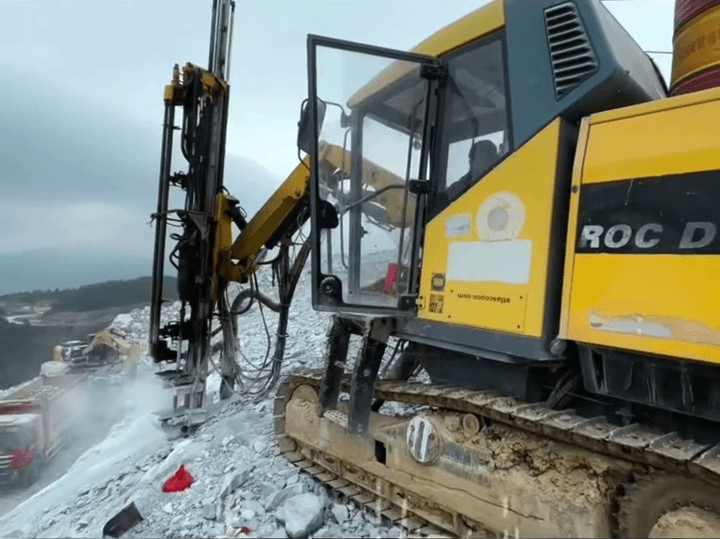
Drilling in rock and surface drilling after confirming hole diameter, depth, formation and air requirements.
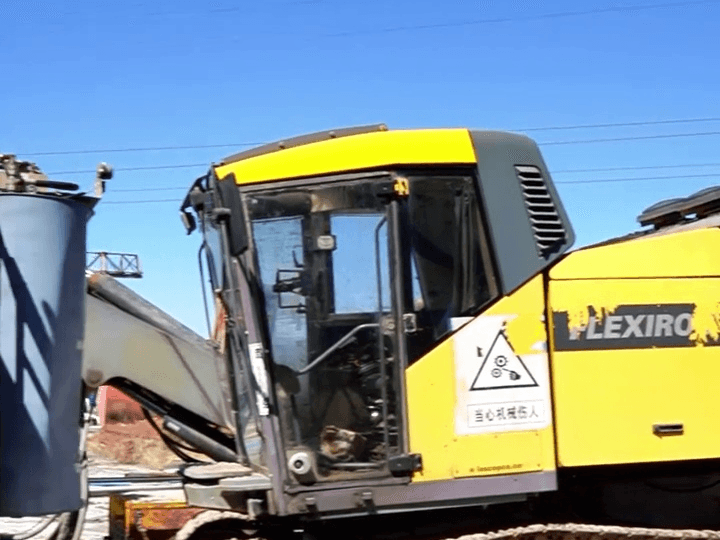
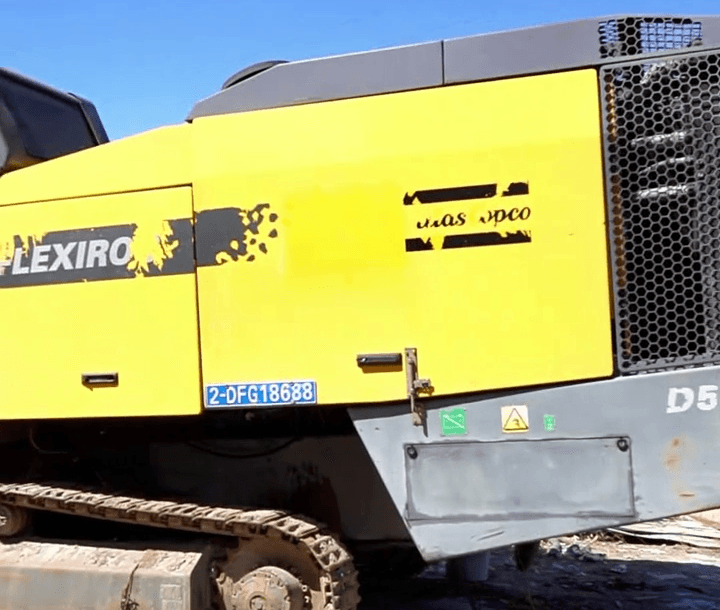
Compare machines of the same brand and model. Check each machine for its own year, hours and configuration.
Find parts by hydraulic rock drill model, version or part number, or explore our practical guides.
Explain the application, target hole diameter, depth, rock and site conditions before comparing models. The suitable hole range and working configuration help selection more than brand or machine appearance alone.
After choosing a method, check the drilling tools, rods and air configuration. DTH requires matching the hammer and compressor capacity; Top Hammer equipment requires checking the rock drill, rods and supplied tools together.
Review the tracks, feed system, rotation unit, hydraulics and air system, and ask about maintenance and repairs. State whether the inquiry includes tools, an external compressor, dust collection or transport support to compare complete procurement options.
Compare models against production plans and drilling designs, considering site movement, tool consumption and maintenance.
Share the designed hole diameter, depth and operating environment, then check each candidate's working range and supporting configuration.
For road and site projects, explain working space, relocation requirements and available site air supply as well as the drilling task.
Use the drilling design and working conditions to establish candidates, then compare manufacturer model information and machine configurations. This zone provides separate entrances for both methods. Check compatibility with any existing hammer, rods or compressor too.
Check the machine's air supply arrangement. Some models have an onboard compressor, while other configurations need an external unit. Confirm the required air capacity for the specific model, hammer, hole diameter and depth rather than relying on the category name.
Provide the application, hole diameter, depth, rock conditions, destination and required tools or compressor. Include the model or equipment ID for selected candidates, then use actual photos and inspection to verify configuration and condition.
Share the application, target parameters and destination for a more focused inquiry.