Start with the hole, not the machine badge
A top-hammer rig and a down-the-hole rig can stand in the same quarry and still be built for different work. The correct starting point is the blast design: finished hole diameter, bench height, planned hole depth, rock hardness and abrasiveness, required straightness, and the production target. A familiar brand or a low purchase price cannot compensate for the wrong drilling method.
For a useful shortlist, send the minimum and maximum hole diameter, typical and maximum depth, rock description, bench access and the tools already used on site. If these inputs are unknown, provide photographs of the face, an existing drill log or the bit and rod sizes from the current contractor. That evidence is more valuable than asking for a generic 'quarry drill.'
What changes between top hammer and DTH
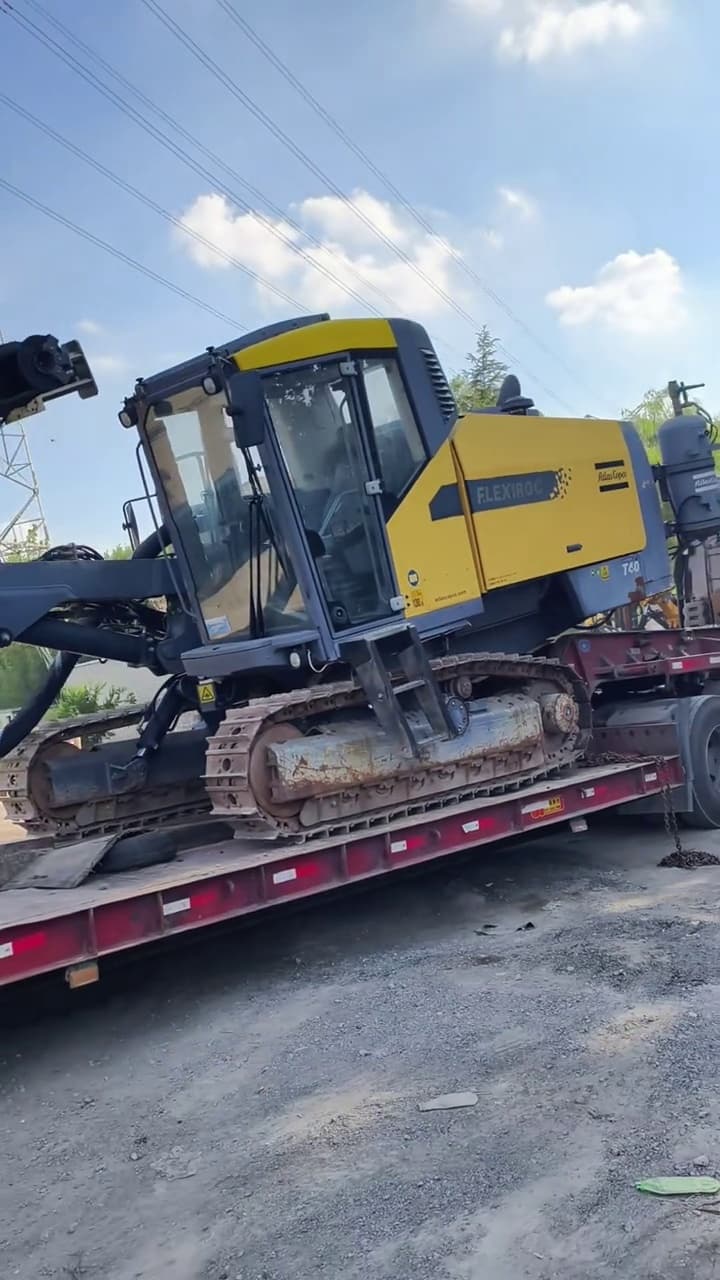
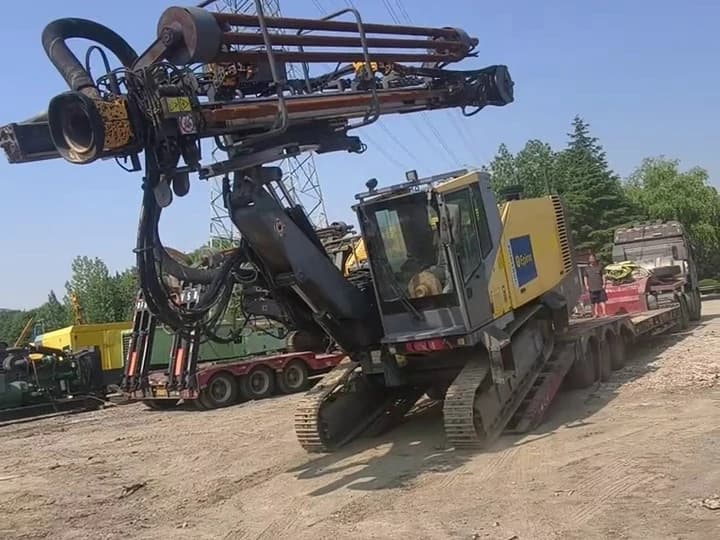
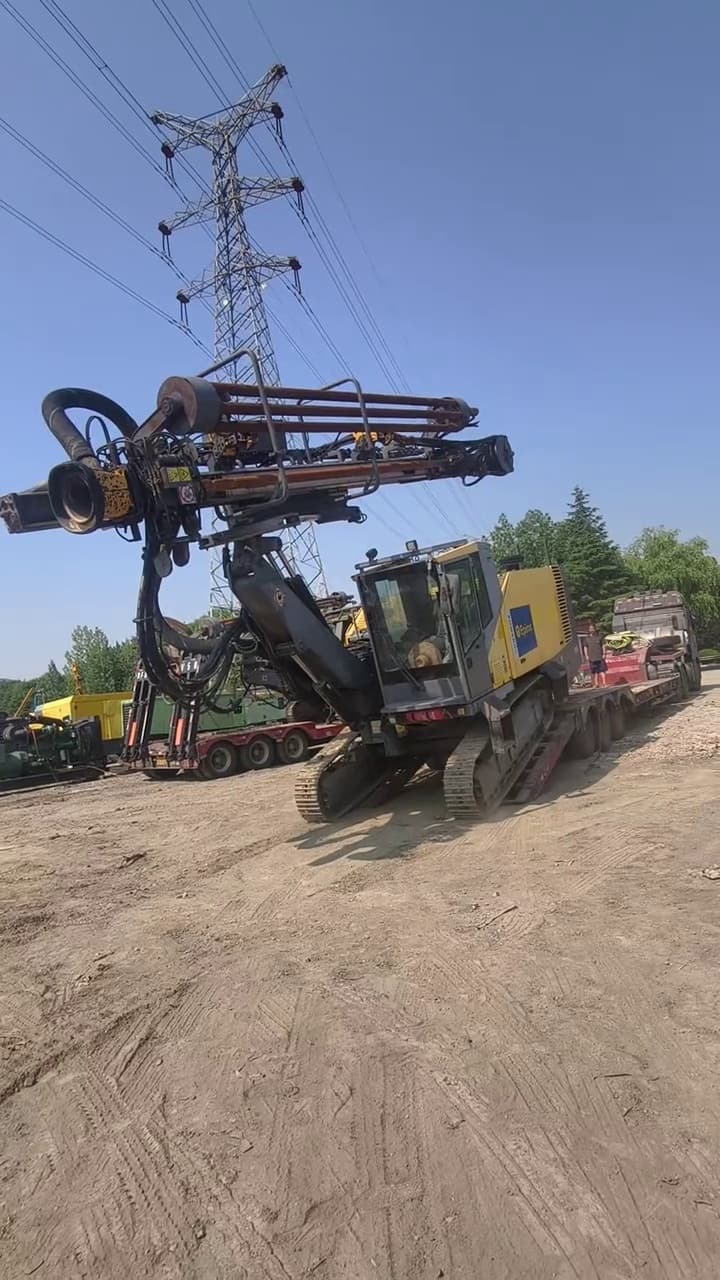
Top-hammer drilling applies impact energy at the rock drill above the drill string. The energy travels through rods and couplings to the bit. It is widely used for quarrying and civil work where mobility, faster rod handling and small-to-medium blast holes are important. Rod condition, couplings, shank adapters, rock-drill health and feed alignment strongly influence performance.
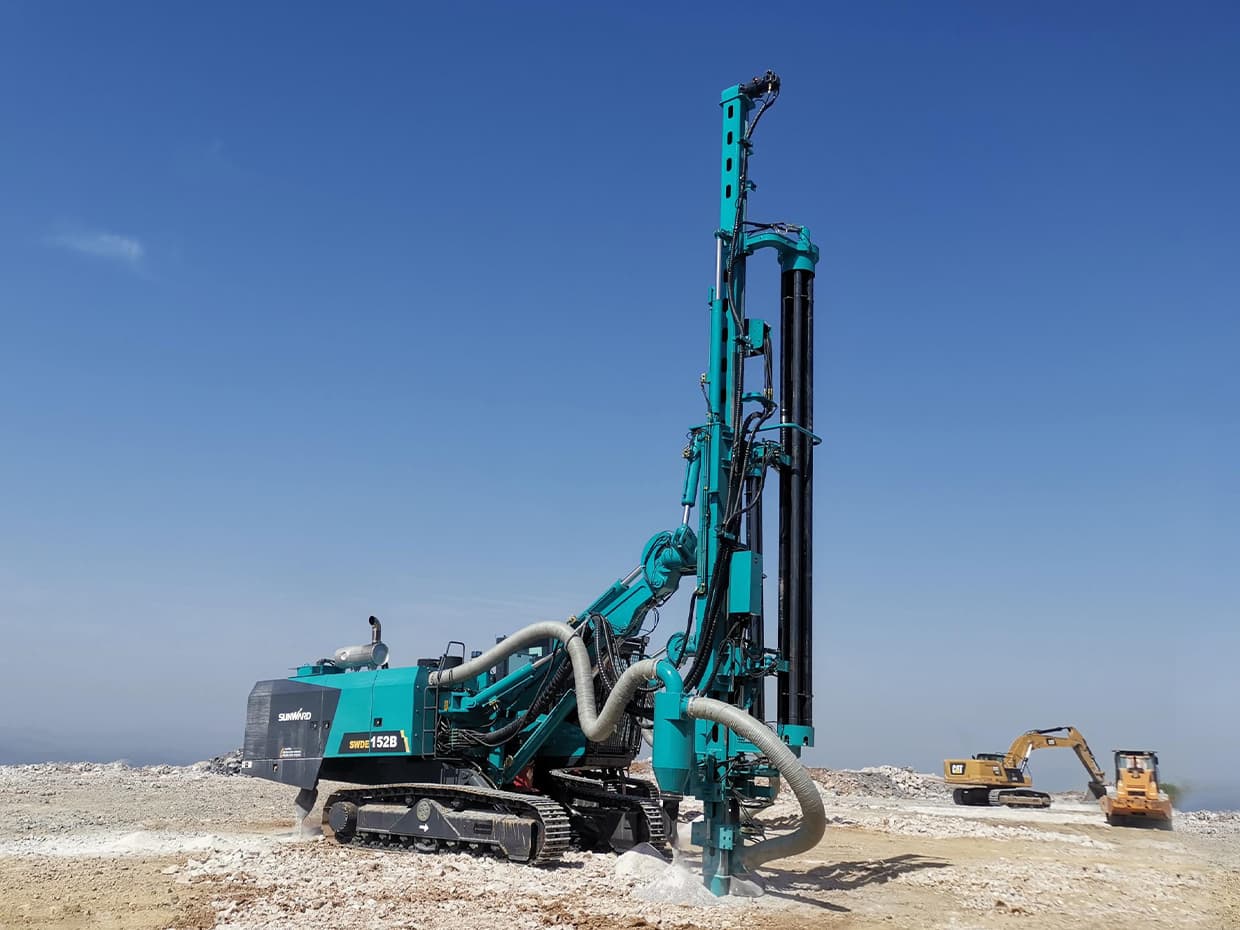
DTH drilling places the hammer behind the bit inside the hole. Compressed air drives the hammer and flushes cuttings. This arrangement is often selected for larger or deeper production holes and for straight-hole requirements, but the compressor is part of the drilling system rather than an accessory. Pressure, air volume, hammer size, drill tube size and dust control must be matched as one package.