
The Quarry Dust Collector Is Not a Catalog Item
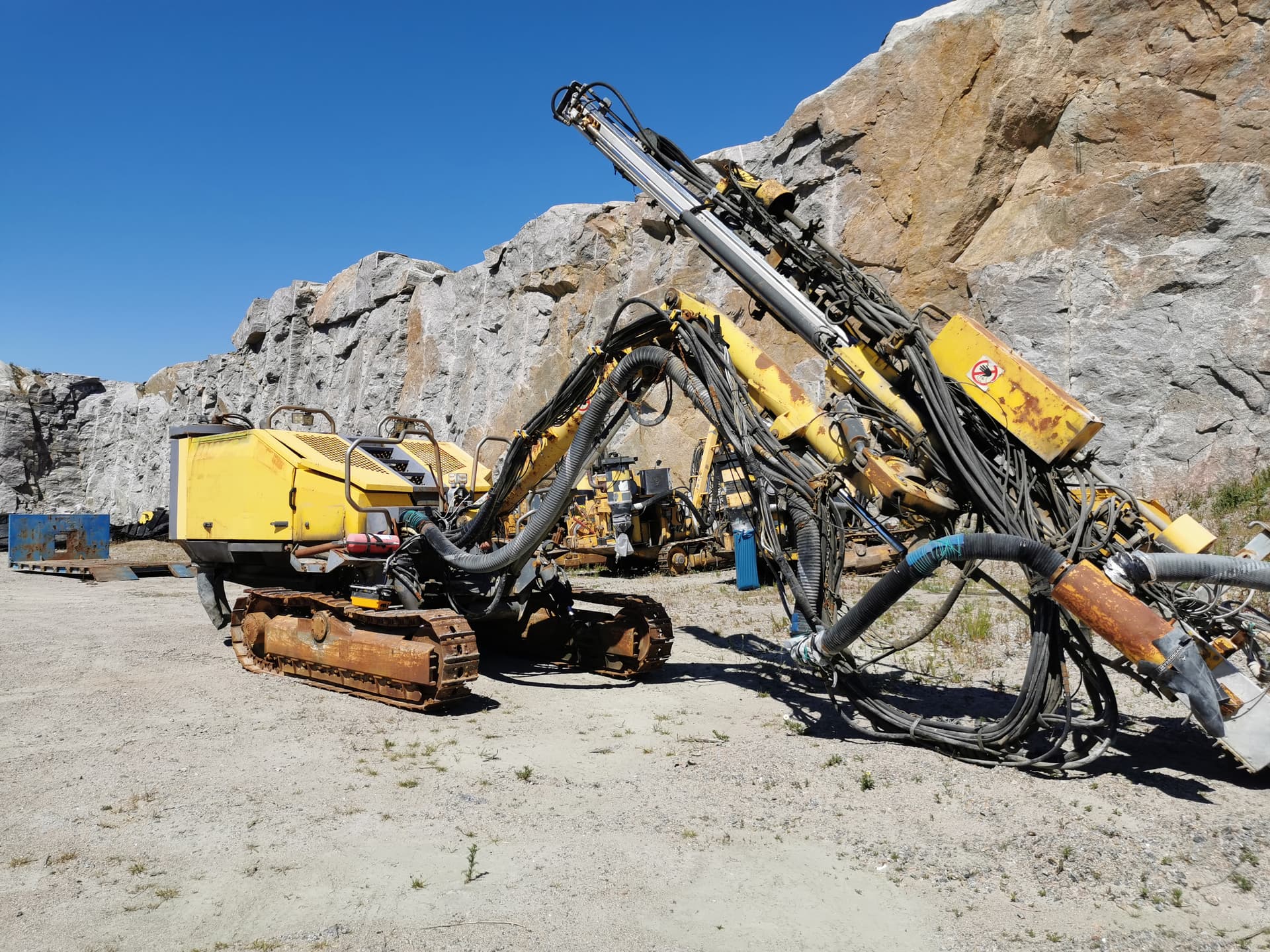
Every used surface drill dust collector inspection begins with a reality check. The brochure for a rig like Epiroc's FlexiROC T45 lists the dust pre-separator and collection system among its core components. That tells you the manufacturer believed the machine needed a serious dust path. It does not tell you whether that path still functions after years of quarry work. Catalog specifications are reference boundaries, not a verdict on the unit in front of you.
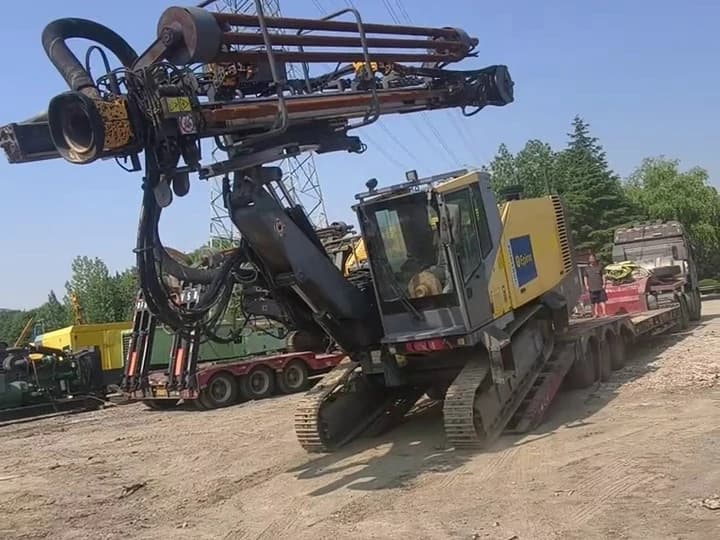
GLOBMACH's surface-drill inventory provides real machine context, and production footage from local quarries shows these rigs working in heavy dust. The problem is that video cannot measure suction, filter health, or pulse cleaning. A clean-looking housing or a loud fan is easy to capture but easy to fake. The only way to know the truth is to inspect the complete installed system, from hood to discharge, under realistic operating conditions.
Start by Tracing the Full Path, Not Just the Fan
The dust collection system is a continuous chain. It begins at the drilling hood, travels through telescopic sections and hoses, passes a pre-separator, then the filter housing, and finally the fan and discharge. A used surface drill dust collector inspection must cover every link. A leak at a hose clamp or a worn telescopic seal can reduce suction far more than a slightly dirty filter.
Also remember that some rigs use a water-mist option to suppress dust. That is a separate system with different maintenance needs and different site acceptance rules. Do not mix the two. A dry collection system relies on airflow; a wet system relies on directed water. Identify which is installed and whether the alternative is available, because your site rules and drilling method will decide which one matters.