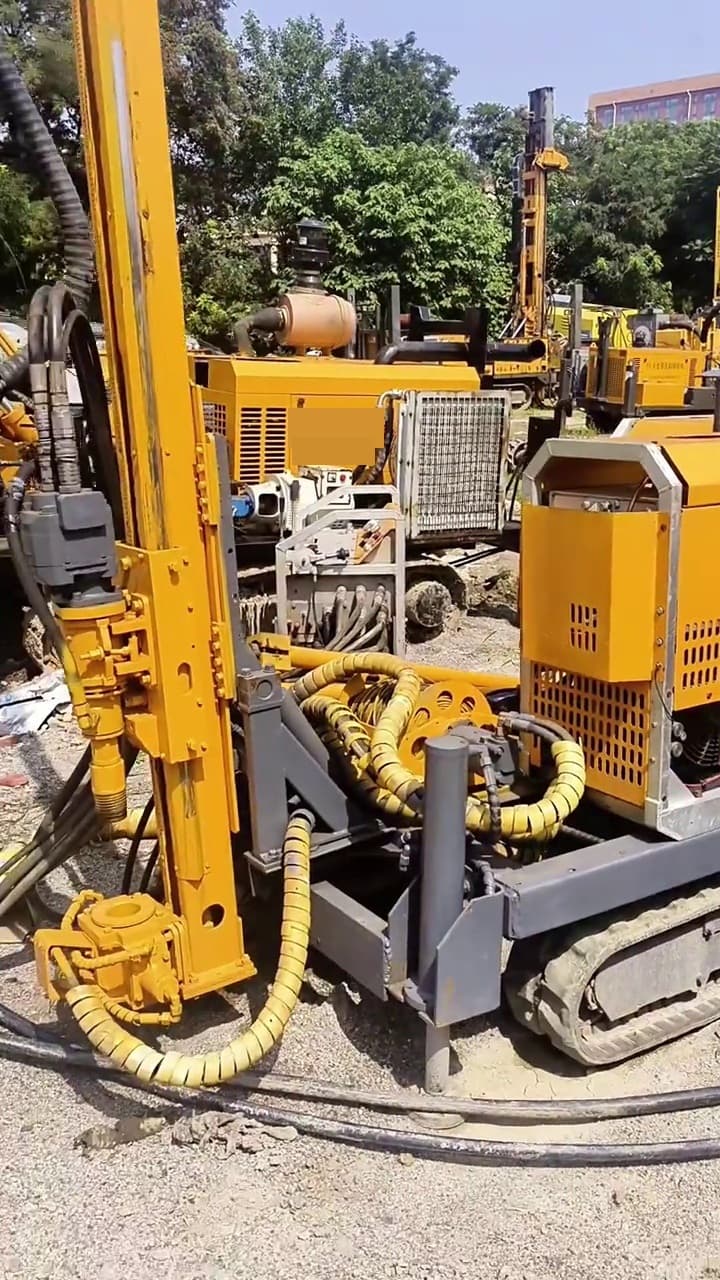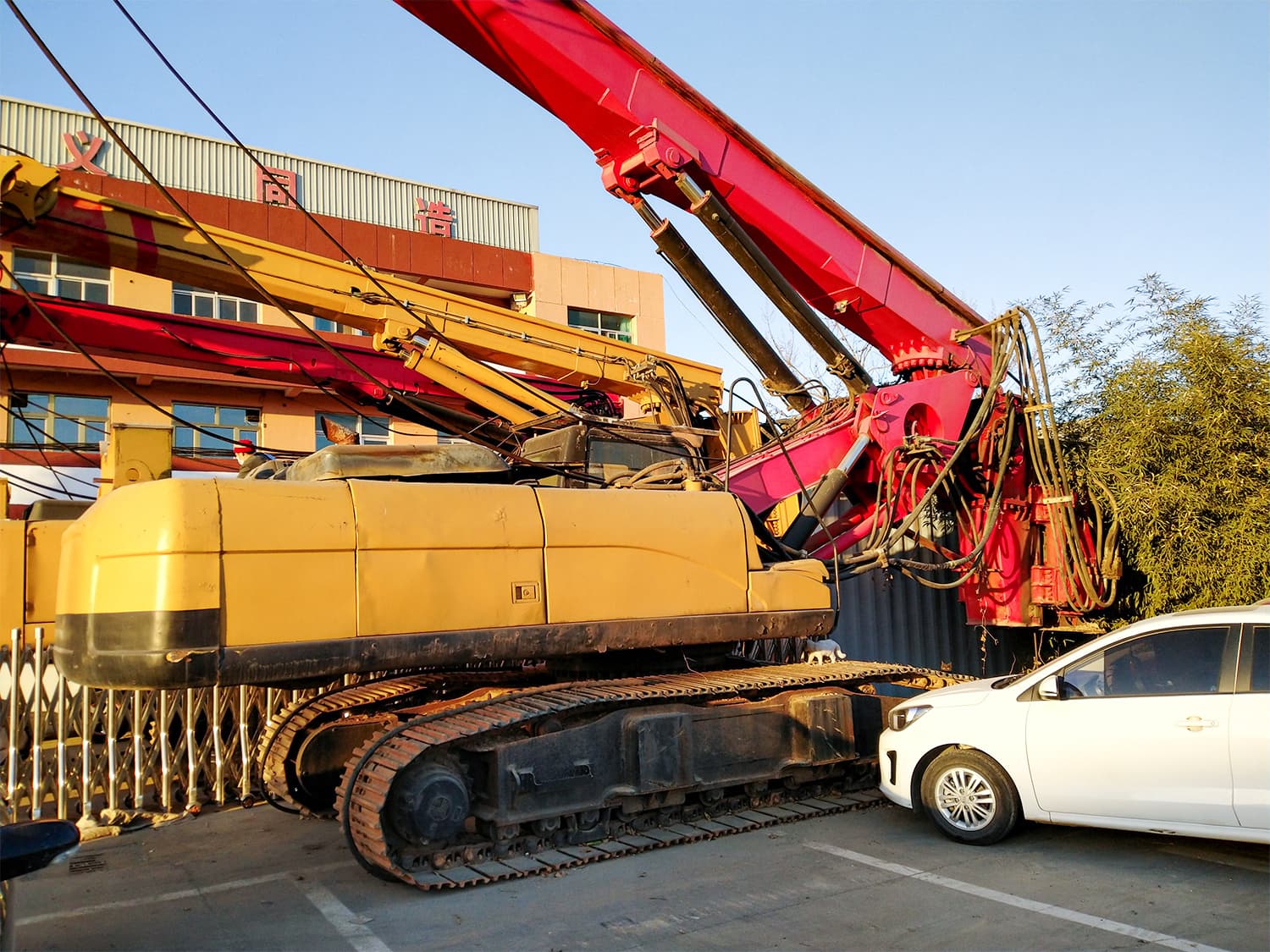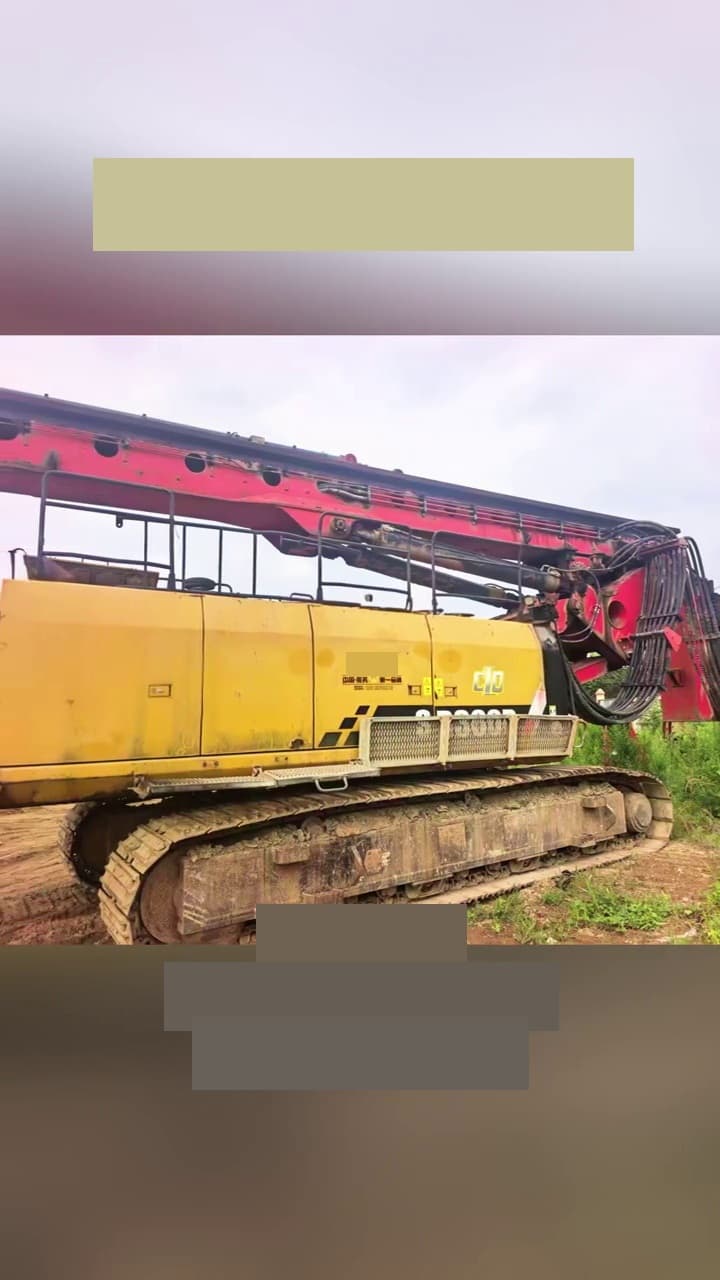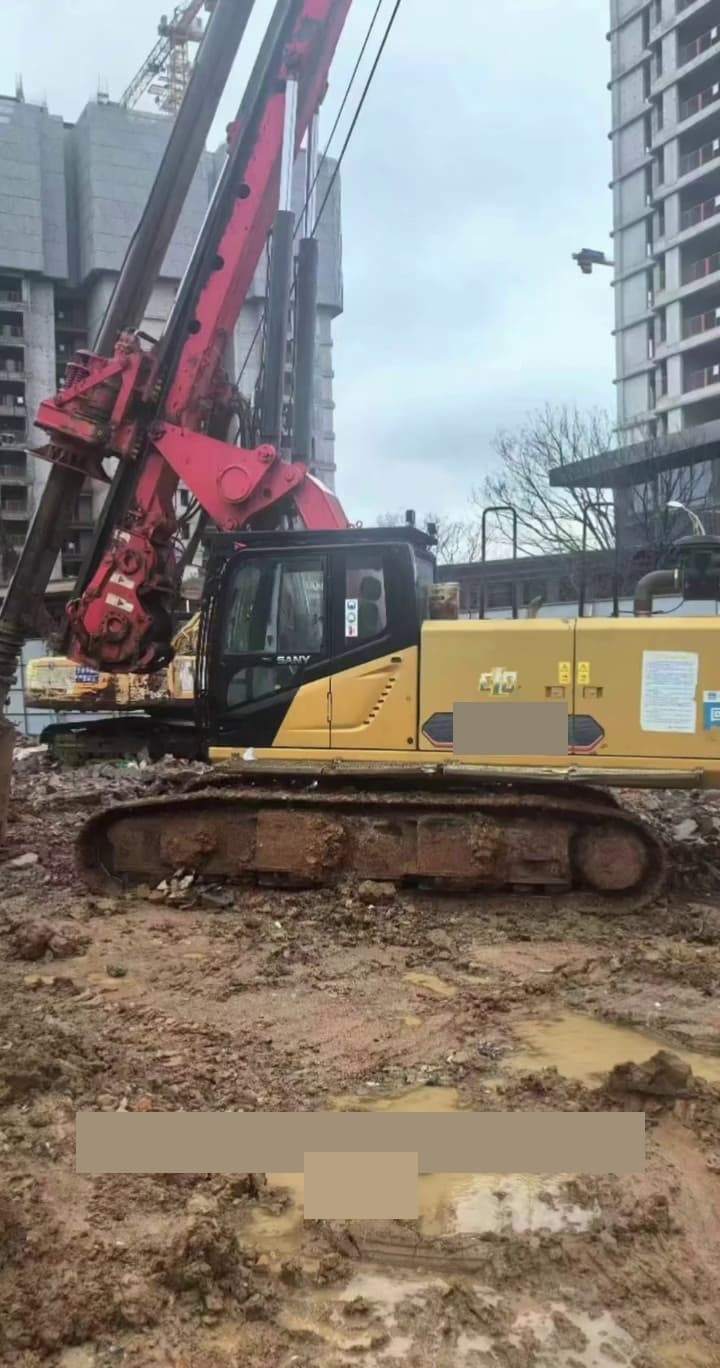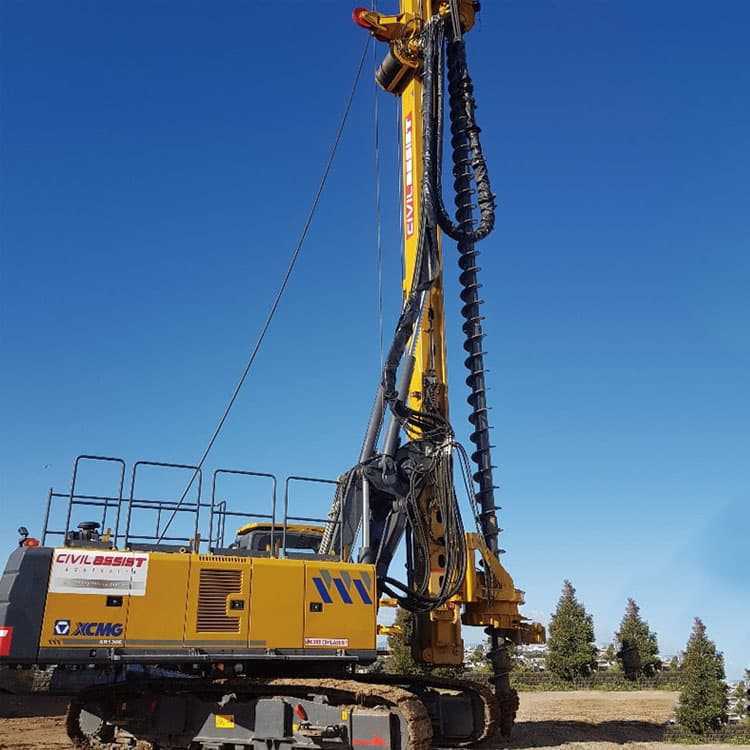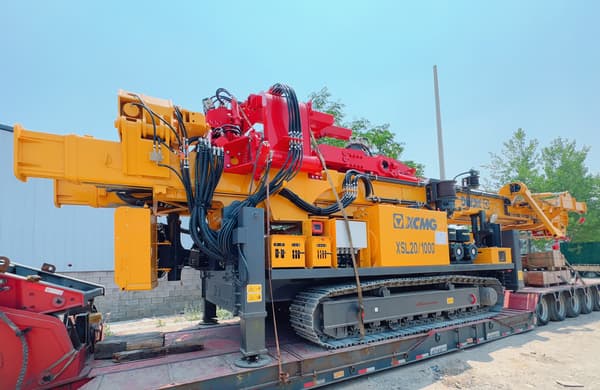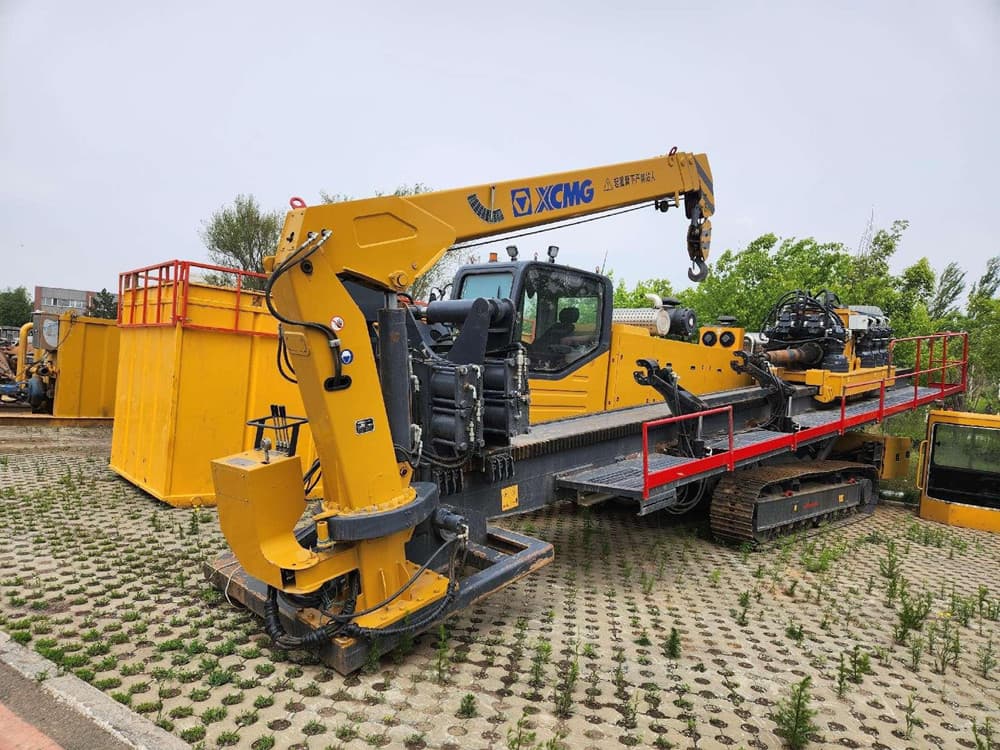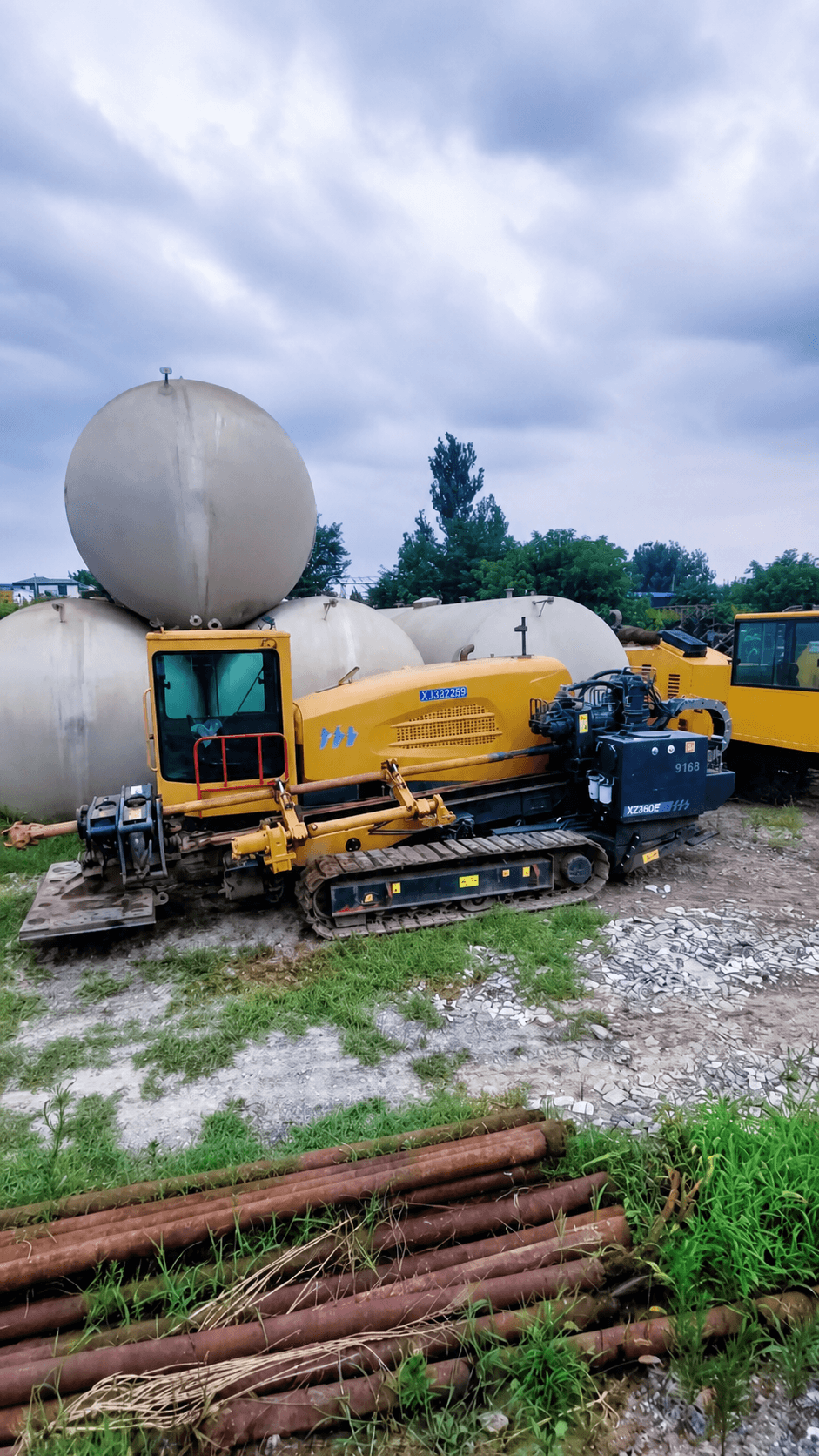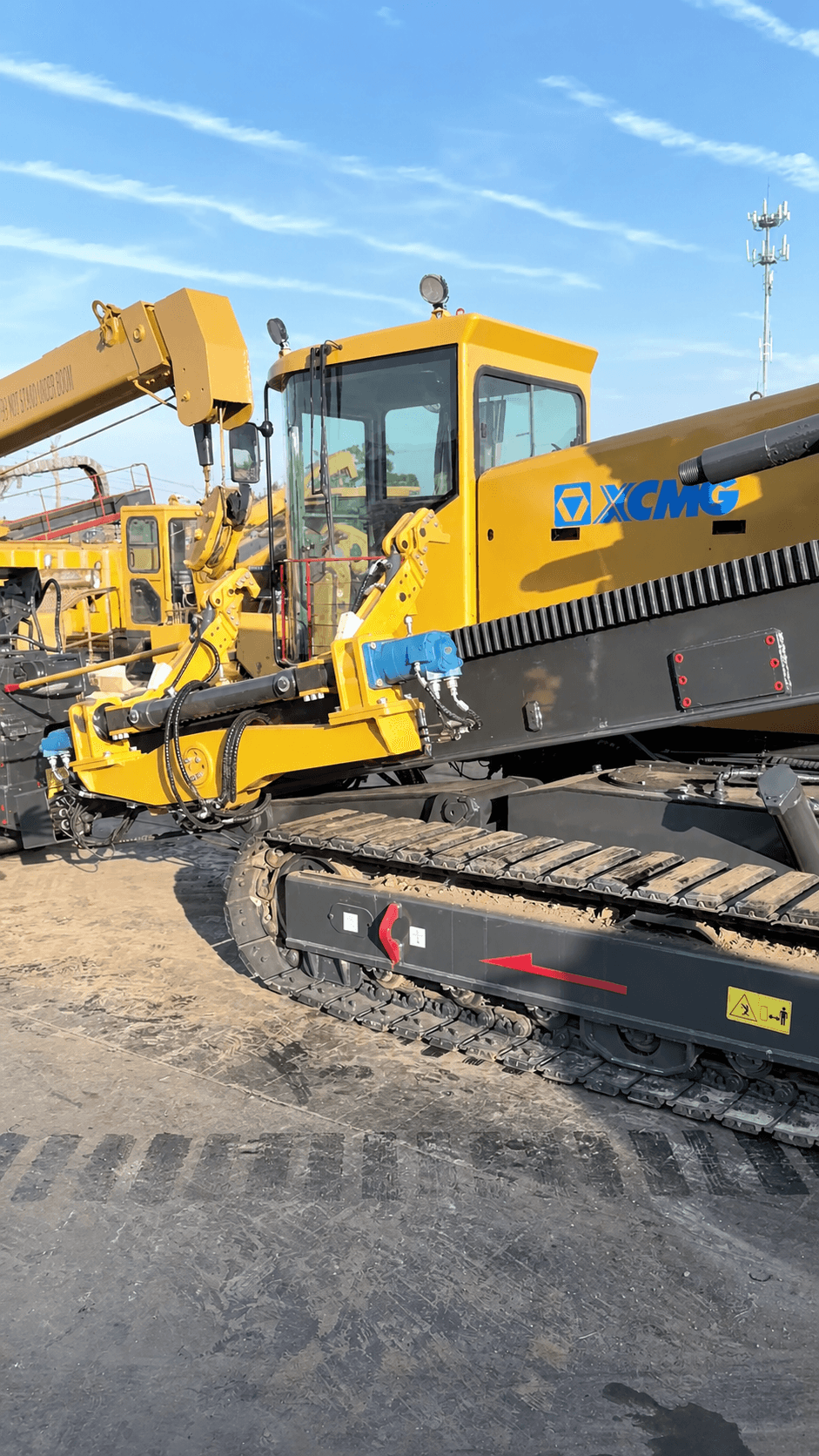
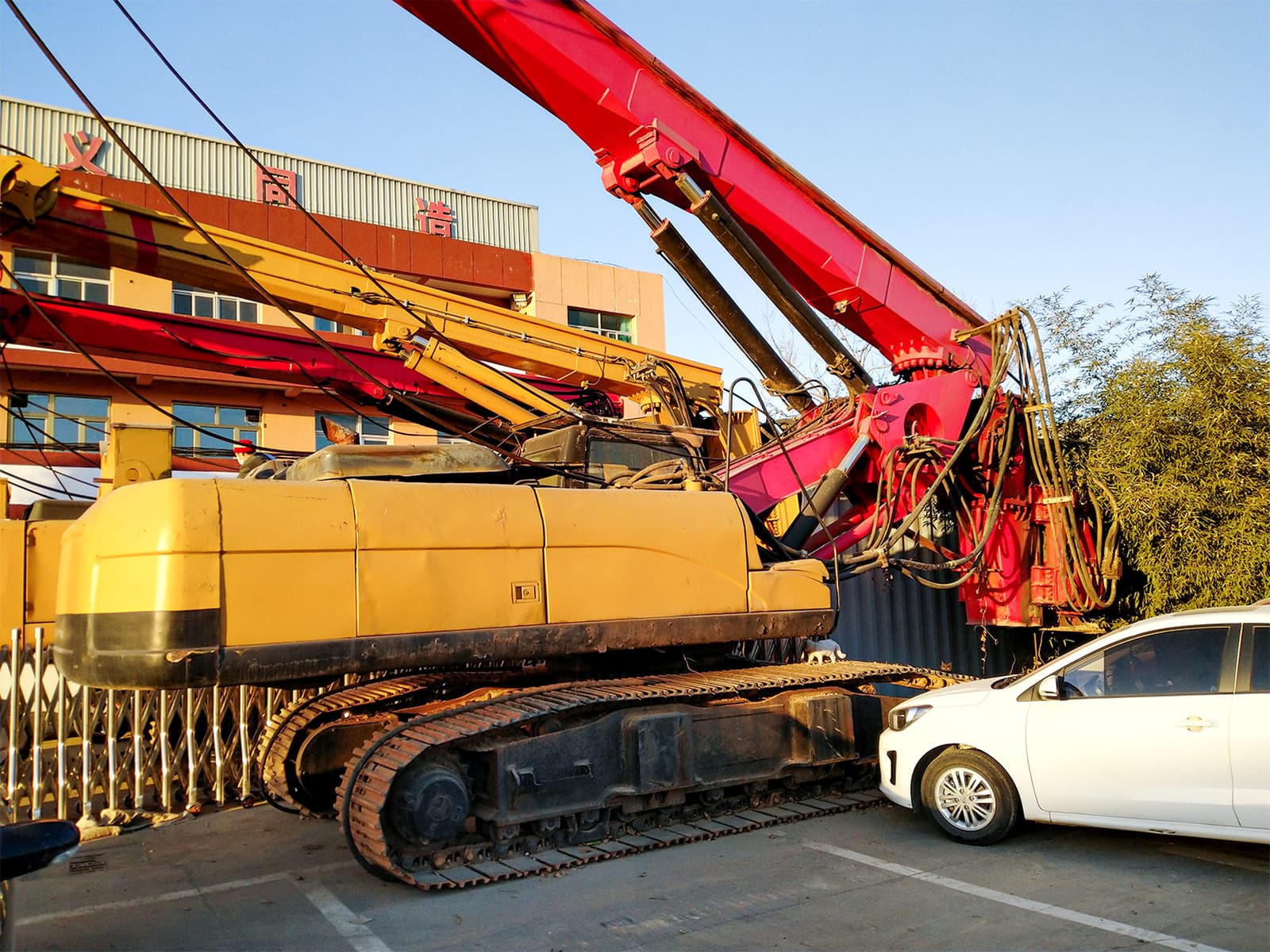
If the listing says ‘nice price,’ it has not given you a price
You ask, ‘What is the used rotary drilling rig price in China?’ You need a number to judge the deal or quote your project. But we would rather frustrate you for five minutes than give you a fake market average. A model name is not a quotation, and ‘nice price,’ ‘affordable,’ or ‘price negotiable’ basically means no price has been given.
We see this every day. One listing offered a March 2020 Zoomlion ZR360C-3 with more than 7,000 stated hours and a 530 interlocking Kelly bar. Another offered a 2021 XCMG XR400E with 7,300 stated hours and a 575 interlocking Kelly bar. Both called the price ‘affordable.’ There was no number to compare. The words sound friendly, but they do not tell you whether rods are included, what work the machine needs, where it will be loaded, or what it will cost to reach your port.
We first pin every quote to one actual machine: serial number, displayed hours, exact Kelly bar and tools, location, testable condition, and delivery term. Then we separate the money: machine, inspection, repairs, export preparation, loading, freight, destination charges, customs, and inland delivery. The cheapest number in a chat window is often not the cheapest rig to put to work.
Before we compare prices, we make the seller prove which machine it is
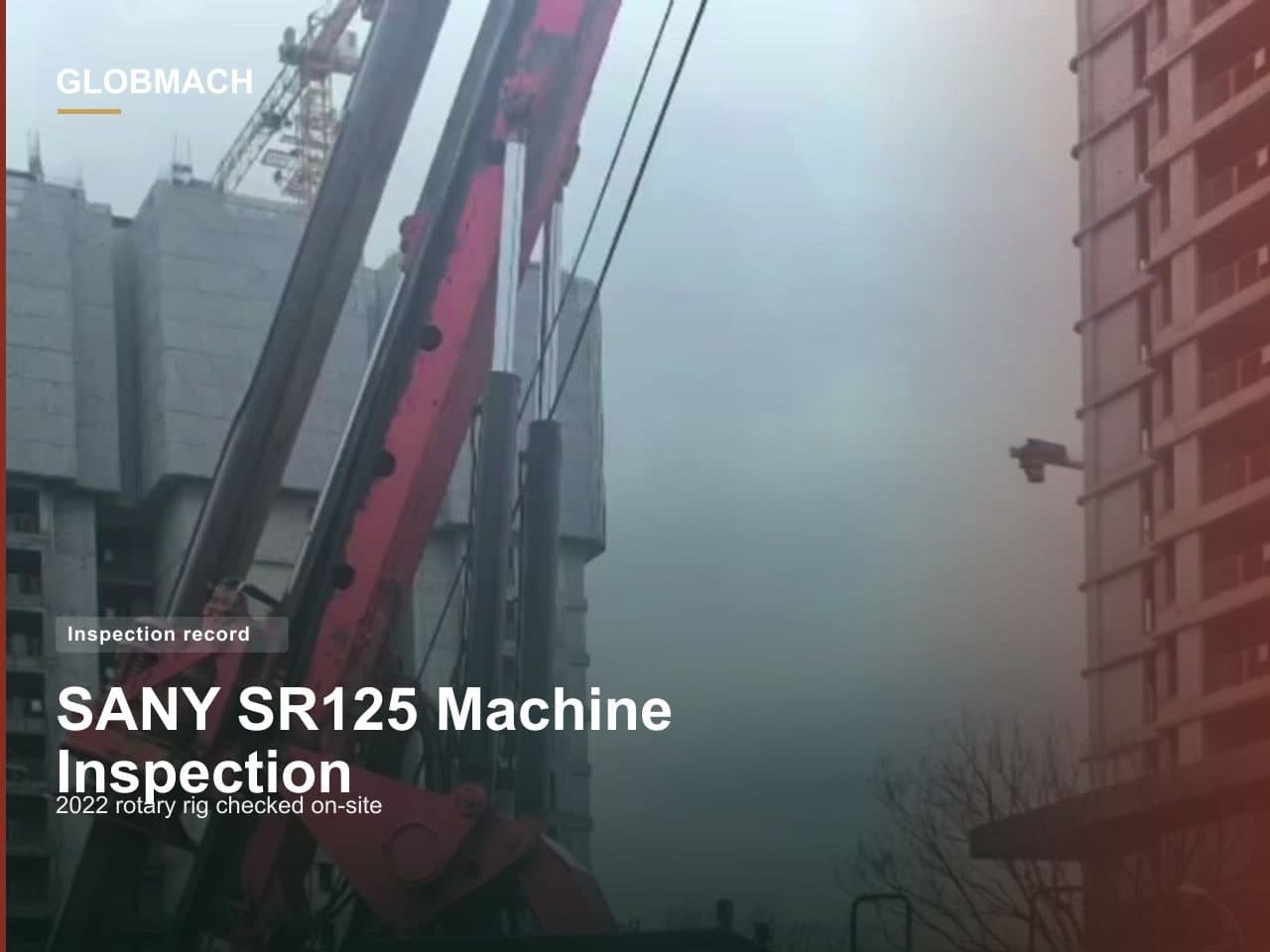
A real pair of listings shows why we are stubborn about identity. One advertised a 2022 SANY ‘405HK,’ but its product-model line said SR405RHK, with more than 6,000 hours and a 580 interlocking Kelly bar. Another advertised a March 2022 SR405HK with more than 9,000 hours and the same stated bar size. Different machines or listing errors? We do not guess. The seller must show the model plate, serial number, engine plate, meter, and whole rig in one continuous live video.
Your biggest fear is ours too: adjusted hours. The meter proves only what is on the screen today. We compare it with controls, seat, pins, rollers, sprockets, track shoes, Kelly wear, hoses, service labels, and maintenance records. No clue gives us a magic answer, but contradictions tell us where to dig. Heavy all-round wear with a low-hour story needs an explanation on camera and supporting records.
‘Debt clear’ in a caption is only a lead. We still check the ownership documents and identifying numbers. The inspection video, machine loaded, invoice, and contract must all point to the same rig before we tell you to pay.
- Continuous video from the full rig to its serial plate, engine plate, and hour display
- A current-date signal or agreed hand gesture so the seller cannot reuse an old recording
- Maintenance records checked against visible wear, not just the meter
- Ownership documents and contract details matched to the same serial-numbered rig
Paint is the cheapest thing on a drilling rig
Fresh paint can make an old rig look wonderful on a phone screen, but paint is the cheapest thing on it. Your money is in the structure, power head, main winch, feed system, hydraulics, electrical system, Kelly bar, and undercarriage. That is where a bargain becomes a machine you repair every week.
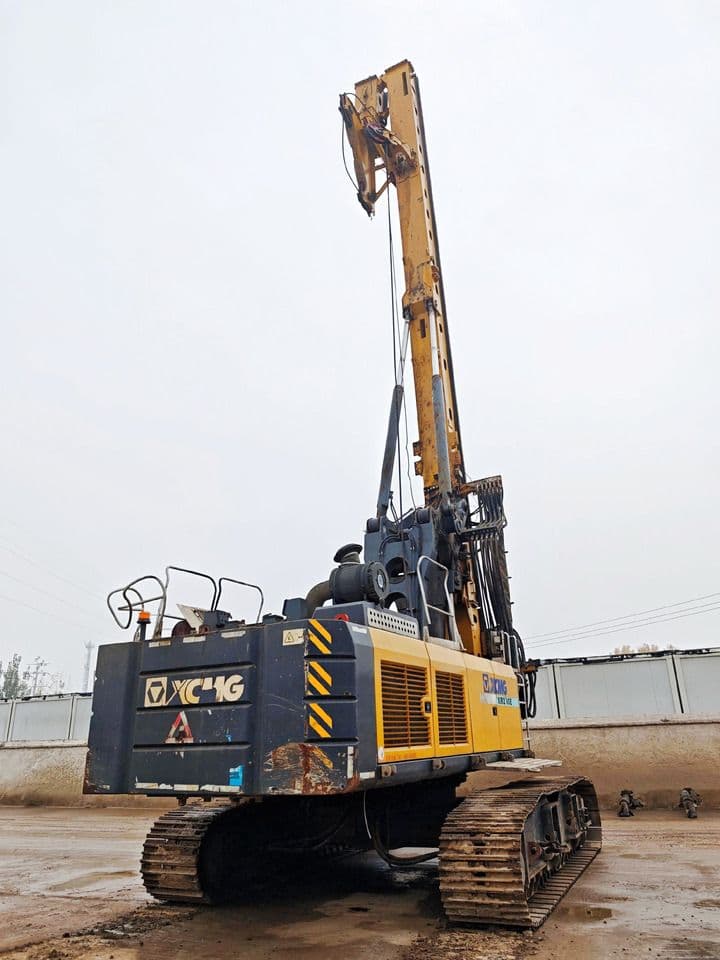
An XCMG XR360 entered refurbishment after a stated 12,000 hours. The announced work covered all hoses, wiring, and pins, plus deep inspection and repair of the hydraulic system; paint came last. It shows how widely age can spread through a rig. A rebuilt machine is not automatically bad. A rebuilt machine sold as untouched, without parts lists, invoices, before-and-after evidence, or a loaded test, worries us.
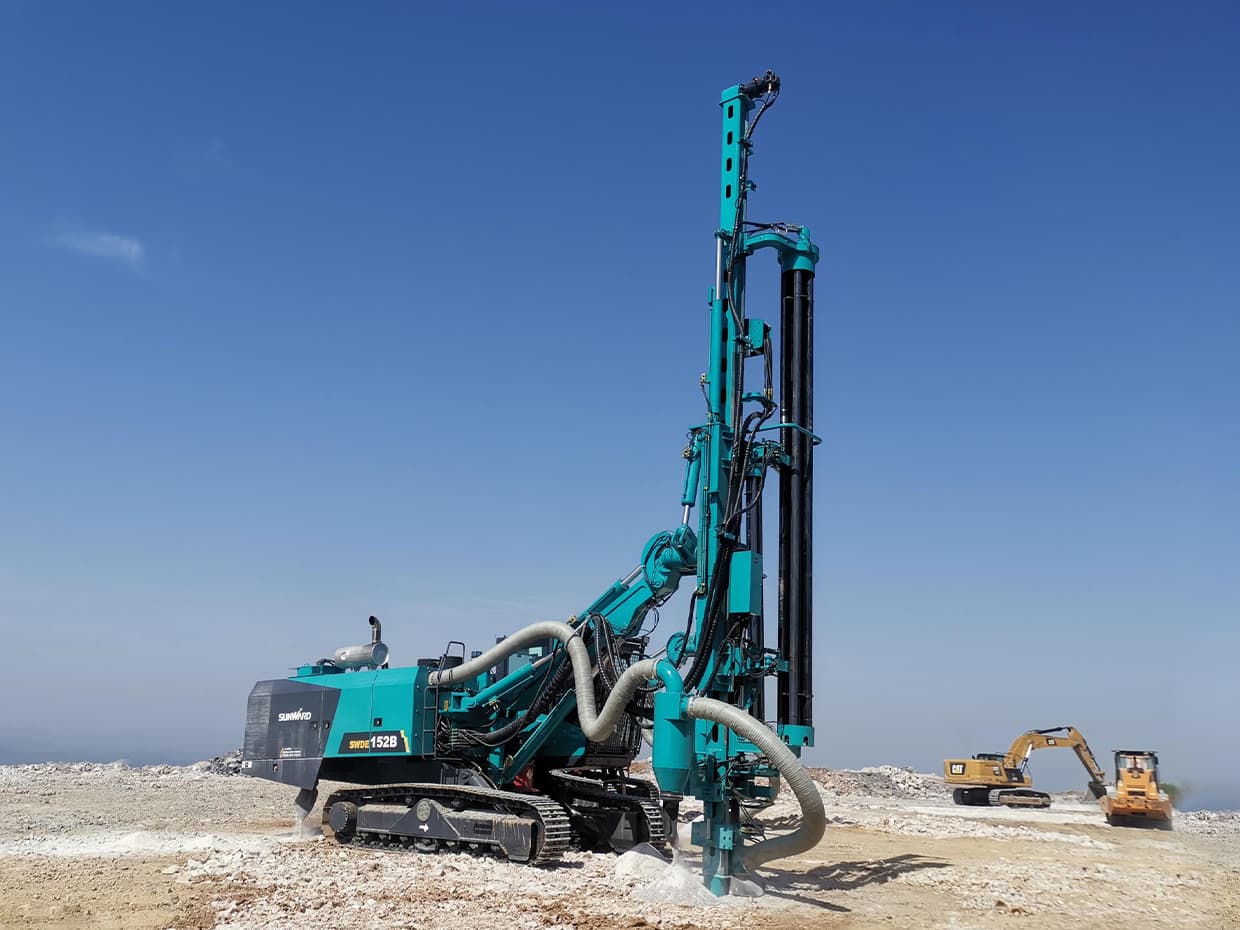
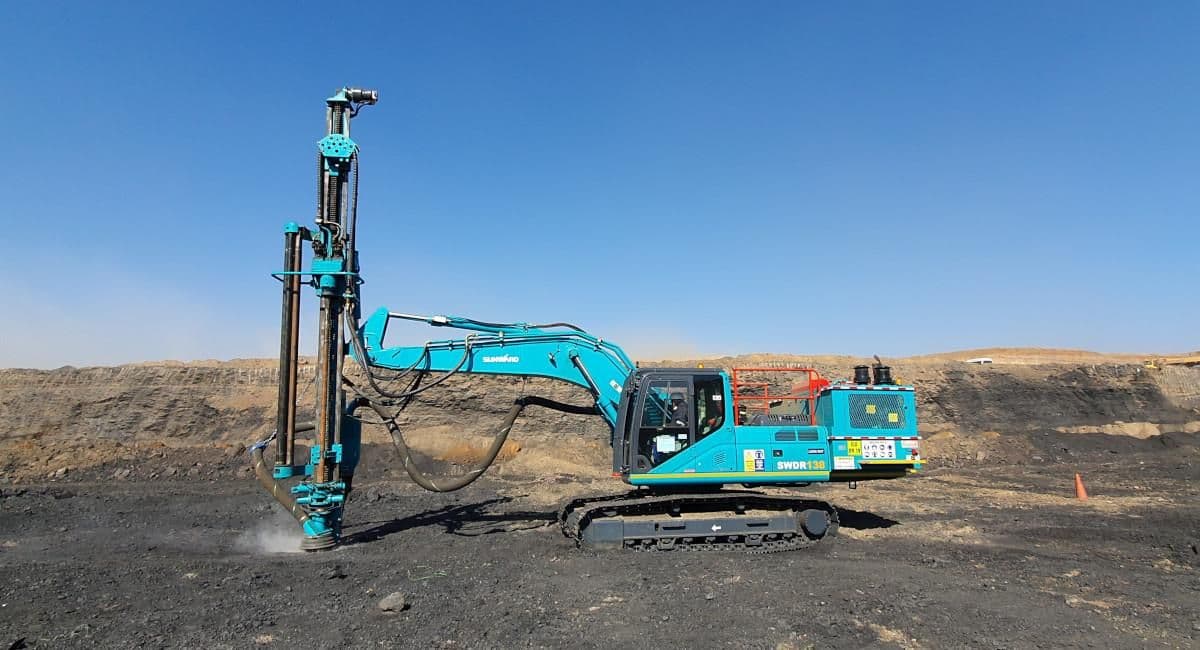
A Sunward 360H listing highlighted new tracks and claimed sound structure, stable systems, no leaks, and readiness for work. New tracks tell us only that the tracks are new. We still warm the rig, check again for leaks and warnings, listen under load, test movement and play, and inspect welds. A machine idling warm in a yard proves it can idle warm in a yard. It does not prove it can earn money.
We want to see it drill, not pose
If you cannot come to China, the seller must bring the inspection to you. We start with a genuinely cold engine, with temperature and instrument panel visible before starting. Then we want power-head rotation both ways, Kelly feed, mast and main-winch functions, crawler travel and steering, and drilling under load. Edited beauty shots are advertising. Requested continuous actions are evidence.
We ask for all four sides, undercarriage, engine bay, hoses, pins, Kelly locking surfaces, welds, cab, alarms, and areas showing oil or fresh paint. We may ask the operator to repeat a movement. You will receive this rig thousands of kilometres away; the worst discovery is at the port, after payment, when it cannot work.
Remote video cannot catch everything, so a serious comparison may include an independent inspection or controlled on-site test. Tie the written record to the serial number and purchase terms. If the seller refuses a cold start, drilling test, or repair evidence, the low price stops being interesting. Walking away is cheaper than shipping somebody else’s problem across an ocean.
- Cold start, full warm-up, then another leak and warning check
- Power head, feed, mast, main winch, travel, steering, and drilling under realistic load
- Close views of cracks, welds, leaks, pin play, Kelly wear, and crawler components
- Original full-length files retained as part of the machine’s inspection record
The right price starts with your hole, not the badge on the counterweight
A cheap machine that does not suit your geology is expensive from day one. We ask about hole diameter and depth, soil and rock, casing, expected progress, job duration, transport limits, local fuel or power, operator experience, and service support. Is a SANY 165, Sunward 160H2, or XCMG 280 ‘better’? Better for which job?
One field comparison said the SANY 165 and Sunward 160H2 used similar 377 four-section Kelly arrangements and could work to 44 metres. In that operator’s experience, the SANY retracted its undercarriage while stationary and needed slightly fewer repairs; the Sunward needed movement to retract, worked rock more strongly, and used more fuel. Useful observations, yes, but we still make the seller demonstrate the exact configuration and match it to your ground.
A field operator described three SR275E modes: plug-in electric, battery-only for simple movement, and diesel range-extended operation, plus energy recovery during slewing braking, soil shedding, and Kelly lowering. Interesting? Absolutely. Enough to buy? No. He raised the real worries too: stability, electrical repairs, downtime, and resale value. Saving energy means nothing if the rig waits for support. We want sustained jobsite footage, service history, battery and electrical records, compatible site power, and a real after-sales route.
The number that matters is the cost of a working rig at your site
A China yard price is not a landed working cost. The quote should state FOB, CFR, or CIF; name both ports; define transport; and list every Kelly bar, bit, tool, hose, and spare. We also check cleaning, degassing, or quarantine needs and who pays freight, port charges, customs, unloading, and final delivery.
Tooling and parts need their own budget. Can you buy filters, hoses, seals, teeth, bits, and wear parts locally? For harder items, we would rather ship a starter package than see your rig parked for one component. We ask for part numbers, supply routes, lead times, and remote technical support. The seller must prove that ‘parts are easy.’
Put the promises in writing: machine identity, stated year and hours, inspection evidence, repair disclosures, included equipment, delivery scope, and remedies for a material mismatch. For a first deal, use payment with recourse. Deposit followed by balance after inspection or against agreed shipping documents can reduce exposure. The export file normally includes invoice, packing list, bill of lading, and certificate of origin; check destination requirements before loading.
What we are really protecting you from
You are not only afraid of overpaying. You fear rolled-back hours, an undisclosed rebuild, weekly repairs, or a rig that reaches your port and fails its first job. We share those fears. A successful purchase is not a machine leaving China; it is one arriving, starting, drilling, with a workable route to parts and support.
At GLOBMACH, we break an attractive asking price into decisions you can defend. Which machine is it? What can the seller prove? Does it fit your ground? What needs repair before loading? Which tools and spares should travel with it? What is the total cost to your site? We tell you where the money goes and where a saving is false economy.
Send us your project requirements and destination port before you fall in love with a listing. We compare available machines on the same basis, push for meaningful videos and records, arrange checks, and build the export scope around your work. A good used rig needs an honest identity, understood condition, fair total cost, and proof that it can do your job.