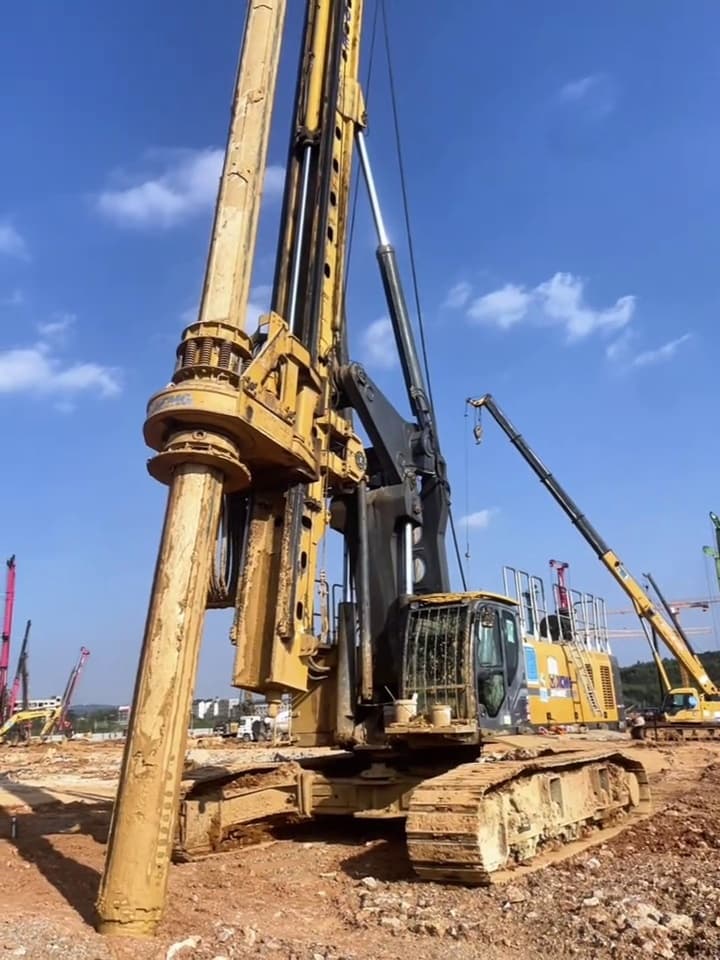
The Finish Line: Delivered and Ready
A used drilling rig asking price is only the opening bid. Two machines with the same sticker price can end up with very different delivered costs because of tooling, repairs, dismantling, cranes, inland haulage, special cargo handling, insurance, import charges and recommissioning. Before you compare offers, decide what 'delivered' actually means. Do you want the rig running at your site, or just offloaded at a port? The answer changes every number in your budget.
For this article, the delivered-and-ready point is the finish line. It means the rig is assembled, filled with fluids and filters, fitted with the agreed tooling, and ready for first use. Until you compare machines at that point, you are mixing apples and oranges. Seller terms like EX-yard, FOB port, CIF destination or DAP site each move costs from one side of the equation to the other. A used drilling rig total landed cost calculator should make that shift plain.
Scope Sheet: What Is Actually Included
The scope sheet is the first place to look. Does the asking price include the Kelly bar, rotary table, subs, stabilizers or a pile driving hammer? Are there spare parts, drill pipes, or a rigging kit in the deal? Each item has weight and volume, which affects freight. More importantly, missing tooling will have to be sourced separately, and that cost may exceed the original price difference between two candidates.
Request one scope sheet per candidate, listing every physical component with its estimated weight and dimensions. Seller descriptions are claims. To tie them to the exact stock ID, ask for photographs and a binding list of included items. This is where a used drilling rig total landed cost model starts to become real.