Before the Ship Arrives
Commissioning a used drilling rig starts before the vessel reaches port. The destination team needs the packing list, the removed-component map, and the function records that shipped with the unit. Without these, the crew will spend the first day guessing which guards were removed, where the Kelly and rods are, and whether the batteries are disconnected. Worse, they might lift a heavy assembly without knowing its exact weight, a common cause of safety incidents and insurance claims.
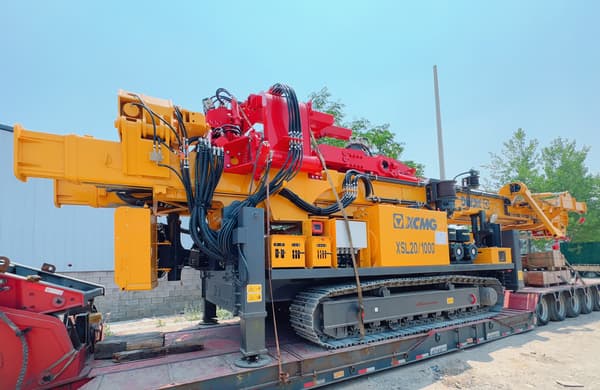
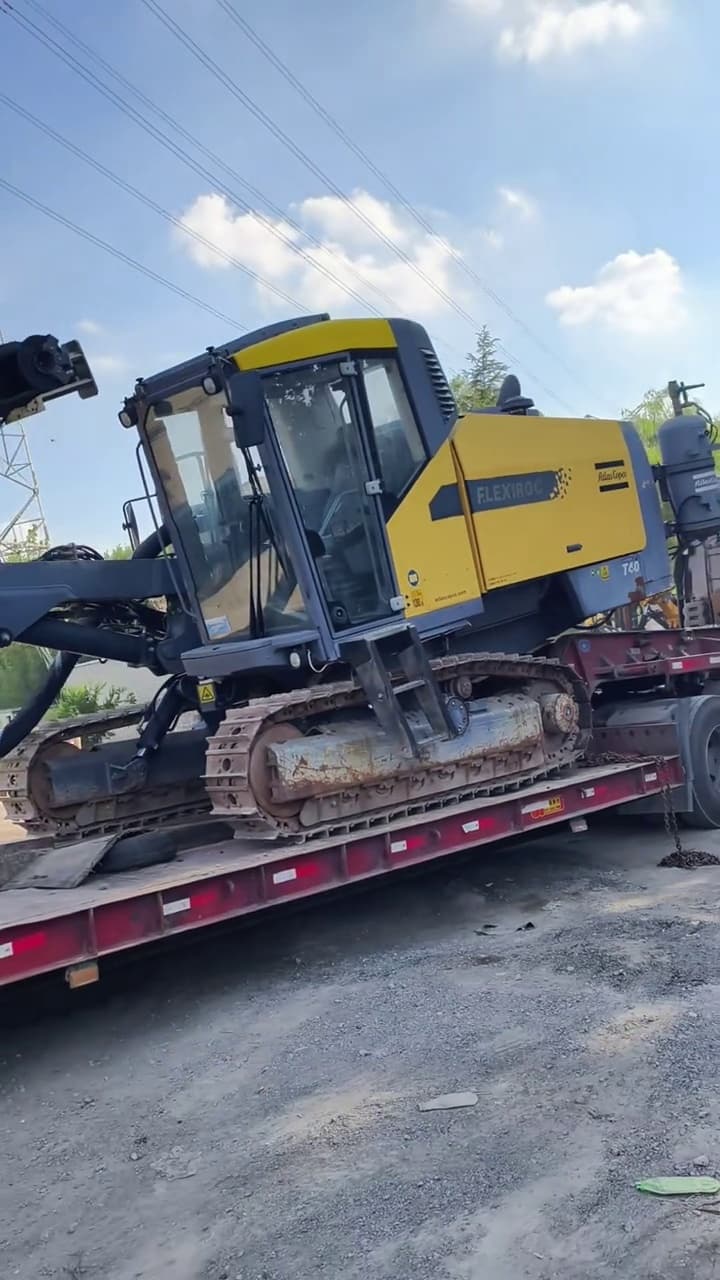
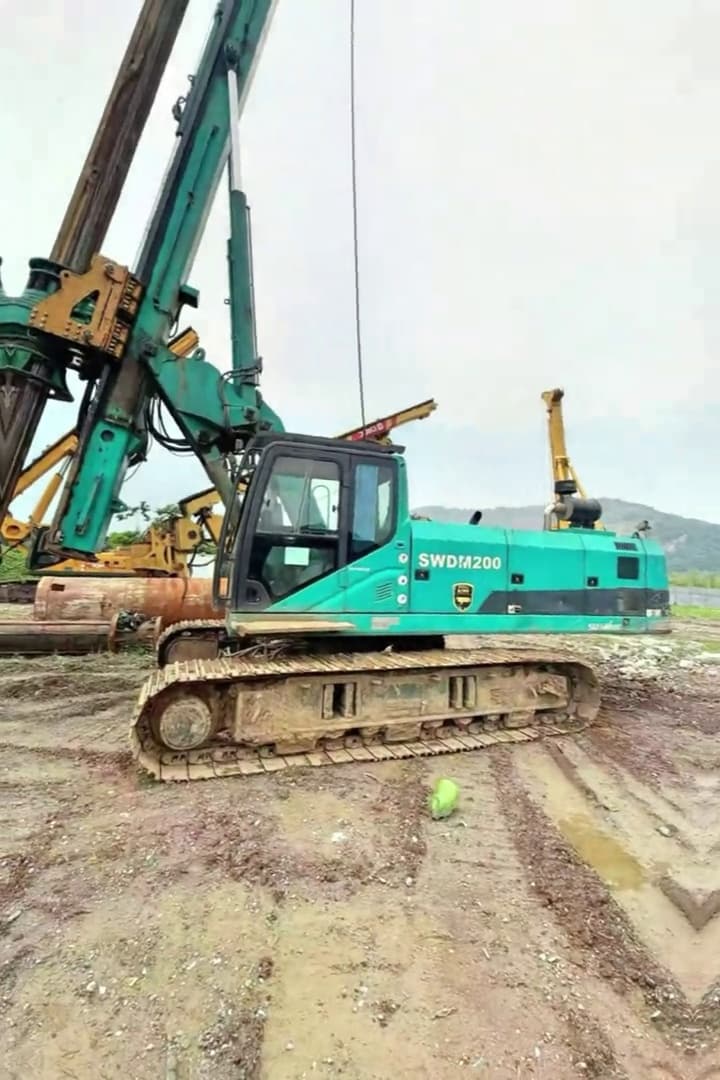
Collect the seller's pre-shipment images and GLOBMACH equipment records for the exact stock ID. These images are not decoration; they are the baseline that reveals whether the machine has been dented, leaked, or altered during transport. Use the local source package to verify hours, service history, and known faults. Keep manufacturer specifications separate from the used unit's actual condition: the brochure tells you what the model should do when new, while the function baseline tells you what this particular rig was doing before it was packed.
Lifting Plan and Weight Checks
The ship schedule may change, and the port crane may have strict capacity limits. Write the lifting plan before the vessel arrives. Use the packing list and removed-component map to calculate the weight of each piece, not the complete rig. A mast and a base may weigh very different amounts, and the crane can only lift its rated load at a specific radius. Check slings, shackles, and spreader bars against that calculated load. Confirm that lifting points are marked and that no guards or covers have been removed that would expose a lifting bracket.