A generic parts box is not a spare-parts plan
Filters, seals, sensors and wear parts can change by engine version, compressor, rock drill, rotary drive, controller, market and production year. A kit labeled only with the machine model may contain the wrong components. Build the list from the serial number and installed component plates, then verify each part number against the correct manual or supplier catalog.
The objective is not to buy every possible part. It is to prevent predictable commissioning delays, cover normal early service and reduce exposure to a small number of failures that have long lead times at the destination.
Collect identity before requesting prices
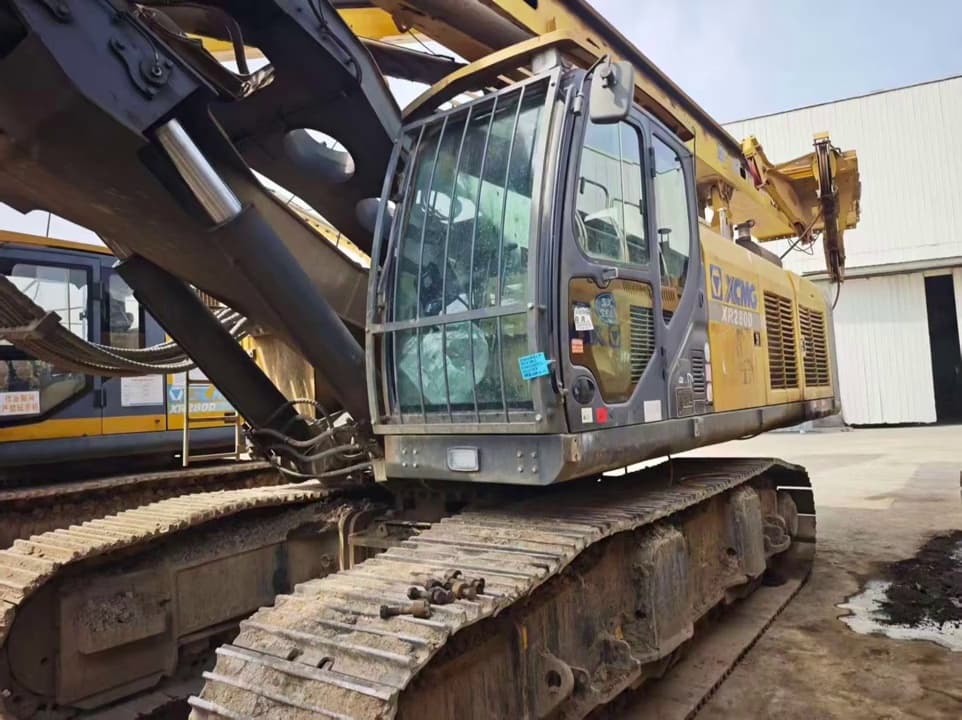
Photograph the machine serial plate, engine plate, compressor or rock-drill plate, hydraulic pump and motor plates, controller version and any replacement component tags. Record the stated year but keep it separate from verified identity. Ask for parts books and operation and maintenance manuals in a usable language.
If a component has been replaced with a different version, update the parts list to the installed component. The original build sheet alone may no longer describe the machine. Keep photographs attached to the procurement record so the destination team can resolve later questions.
Prepare a commissioning service kit
Every used machine should arrive with a planned first service based on inspection findings and transport duration. Common categories include engine oil and fuel filters, hydraulic return or pilot filters, compressor filters where applicable, air filters, belts, hoses, coolant items, grease and the specified fluids. Quantities depend on the machine and first service interval.
Do not ship unverified fluids or chemicals simply because they are available. Confirm destination import rules, shipping restrictions and the correct specification. In some cases it is better to source fluids locally and ship only machine-specific filters and hardware.
Separate consumables, wear parts and critical spares
Consumables are used predictably: bits, teeth, holders, rods, couplings, shank adapters, hammer parts, dust filters or wire-rope-related items depending on the machine. Wear parts last longer but should be measured, such as crawler components, guide strips, seals and feed components. Critical spares are selected because a failure can stop the machine and the lead time is unacceptable.
- Commissioning: correct filters, belts, common hoses, seals and service hardware
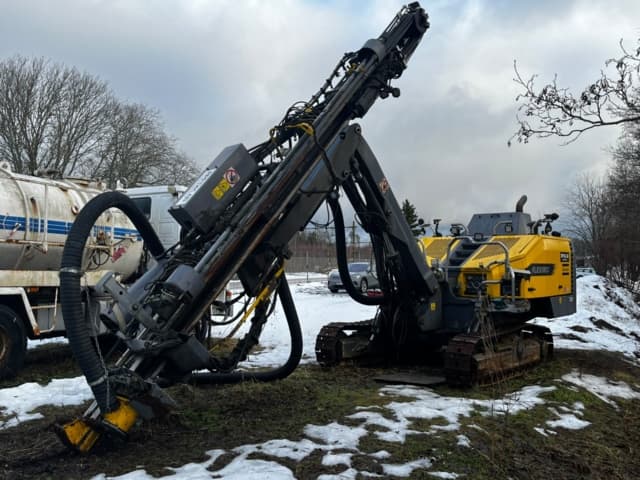
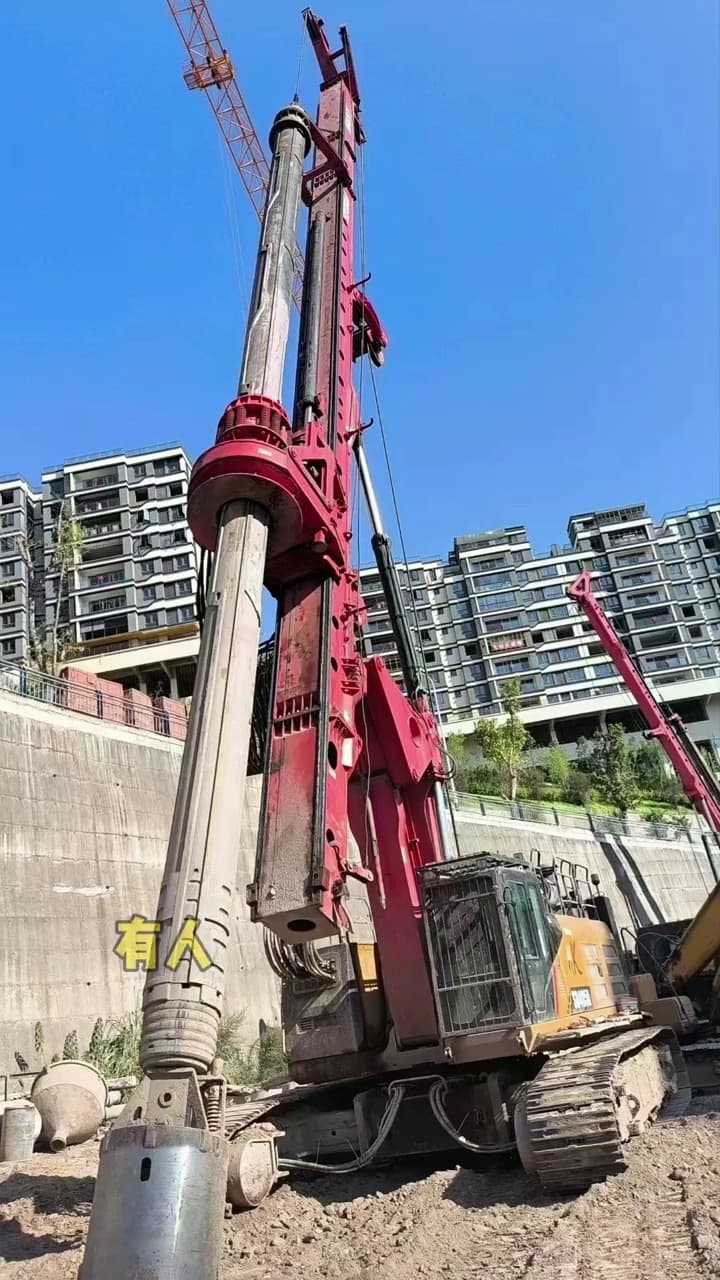
- Drilling system: tools and wear parts matched to diameter, thread, hammer or Kelly
- Electrical: a small evidence-based set of critical sensors, relays and connectors
- Hydraulic: seal kits and vulnerable hoses identified during inspection
- Safety and access: alarms, lights, wiper parts, steps, guards and emergency-stop items
- Documentation: parts book, wiring and hydraulic diagrams, service procedures and codes
Let the inspection change the parts list
A fixed kit created before inspection can miss the real risks. If the inspection finds hose aging, a leaking cylinder, a worn wire rope, damaged rod supports or weak dust collection, add the confirmed repair items and decide whether work is completed before shipment or supported at destination.
For a refurbished machine, request the replaced-part list and evidence. Do not buy duplicates blindly, but do keep critical seals and service items for the installed replacement components. For an original machine with long storage, pay additional attention to rubber parts, batteries, fluids and corrosion.
Plan packing, customs and ownership
Label every package with machine stock ID, part number, description and quantity. Photograph the open package and final sealed package, then attach the list to shipping documents. Keep high-value electronics dry and protected. Confirm whether batteries, oils, aerosols or other restricted items can travel in the chosen shipment.
Name the owner of the parts record at destination. The list should show where each part is stored and when it is used. Without control, an expensive emergency kit can be misplaced or consumed in routine service before the first critical failure.
Ask for parts support as part of the machine inquiry
Send country, site remoteness, machine model, serial evidence, planned annual hours and local dealer capability. State which consumables are already available locally and the acceptable downtime for a critical failure. This lets the supplier prioritize the kit rather than simply increasing its size.
GLOBMACH can connect the inspection findings, installed-component identity and export packing into one spare-parts request. Prices and availability should be confirmed before loading. The result is a traceable commissioning and risk kit, not a box of parts chosen from the model name alone.