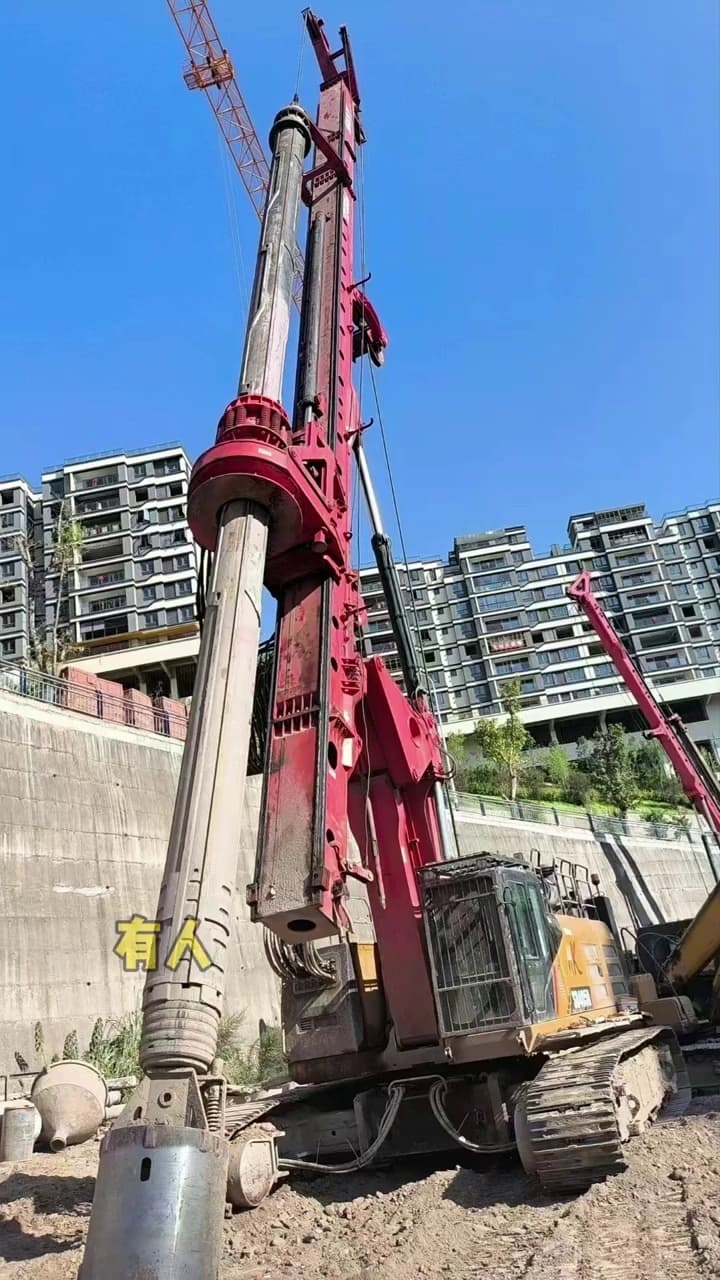
Heavy equipment requires project planning and logistics planning
Before comparing brands, first determine the pile diameter, depth, rock strength, casing method, required crowd system, rotary drive Kelly bar type, site bearing capacity and production schedule. Then add the transport route, port capability, assembly crane and local service resources. The machine must suit both the pile hole and the transport journey.
Buyers who only ask for the "400-class rotary drilling rig price" will receive quotes that are hard to compare. One may include a large interlocking Kelly bar, another a friction bar, another no tooling at all, and another a refurbished machine with a different scope of repair. Standardize the configuration package before evaluating price.
Versions and configurations before the main specifications
SANY's current H10 series page lists SR405R-HK, a maximum pile diameter of 2,800 mm, a maximum depth of 103/84 m depending on the Kelly bar type, and an operating weight of 131 tonnes. Used equipment may be an earlier or regional version, so these current figures are for reference only. XR400E also exists in multiple configurations and must be identified from its nameplate, documents and installed equipment.
Please request photos of the serial number, the original configuration file, the nameplates of the engine and major components, the controller screen, and the exact rotary drilling Kelly bar specification. Do not assume that torque, depth, transport weight or emission level are the same just because the models are similar.
Check refurbishment scope and records
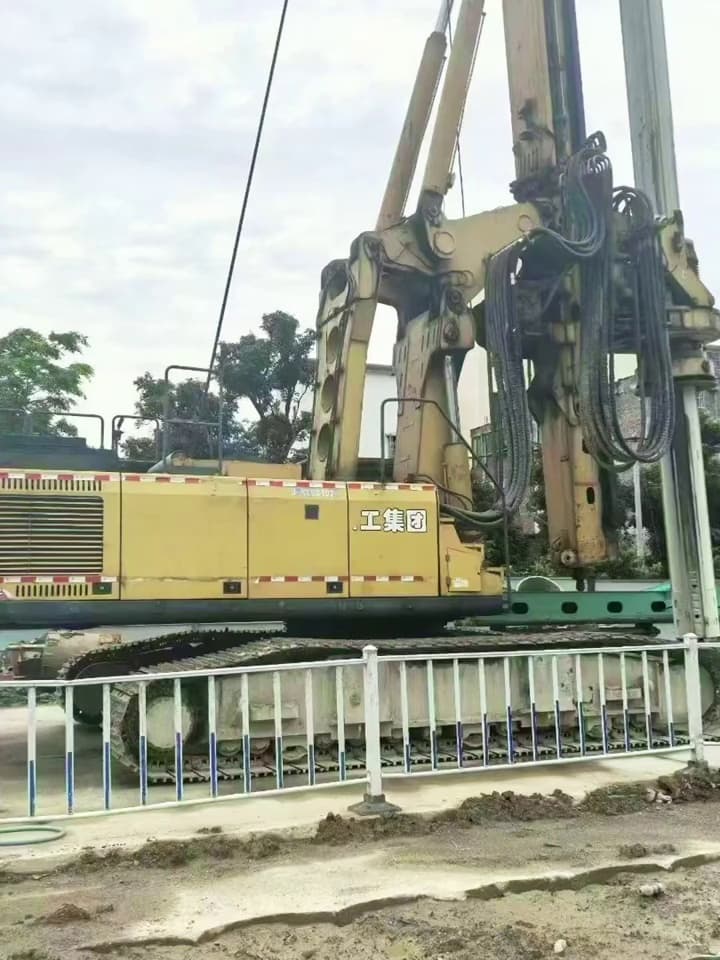
Some XR400E equipment materials mention undercarriage maintenance and upgrades. Verify that the material refers to the machine in question, and request before-and-after records, parts invoices, measurements, pressure tests and the workshop name. Distinguish cosmetic work from mechanical repairs; “refurbishment” is not a condition grade.
An original machine that has not been repaired is not necessarily better. It may preserve original evidence, but it may still require a substantial immediate budget. Compare current functionality, remaining wear and documentation records. If structural parts have been repaired, check alignment, welding workmanship and the surrounding material; if hydraulic components have been rebuilt, ask for pressure and temperature performance under continuous operation.
Kelly bar and main winch are key items to verify
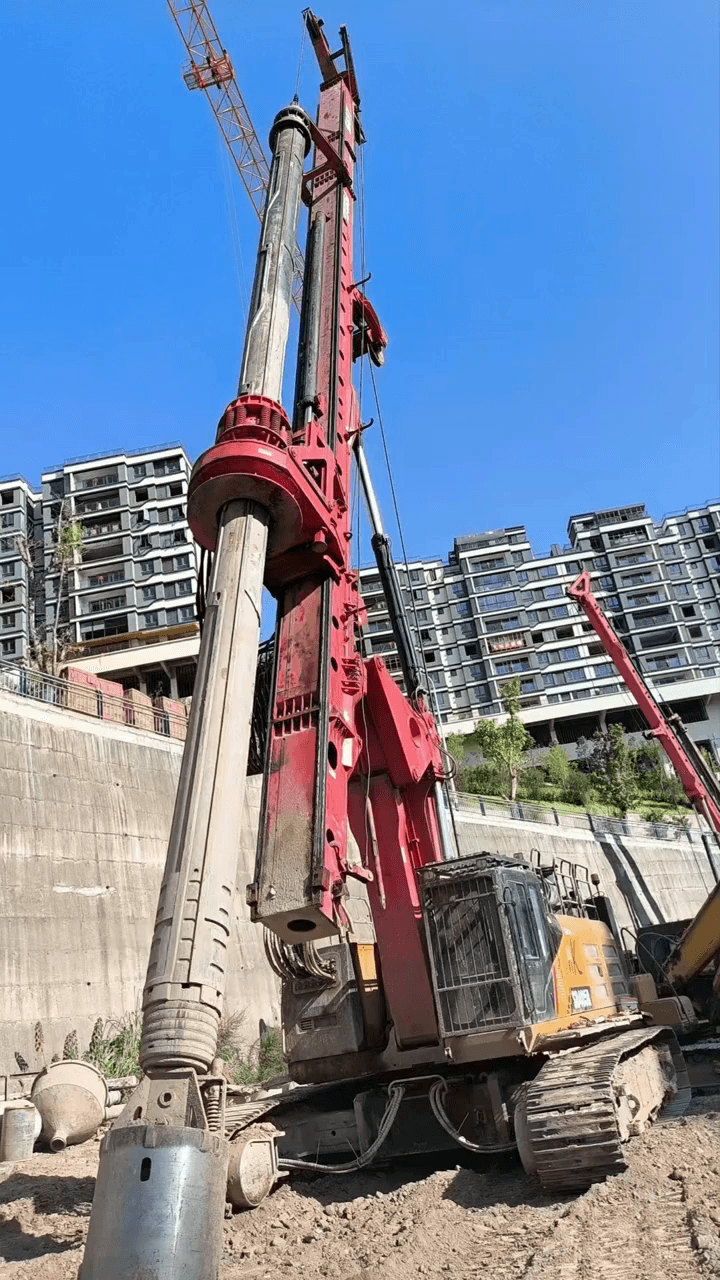
Some SR405HK equipment materials mention a 580 Kelly bar; its exact dimensions, locking method and whether it belongs to the machine being examined must be verified. Confirm its type, diameter, number and length of sections, locking method and actual wear. The Kelly bar must suit the rotary head, drilling depth and ground conditions.
Qualified personnel should follow the applicable equipment manual and inspect the main winch wire rope along its working length, drum grooves and winding, brake holding, bearing noise and frame connections only when safe and permitted by the equipment. Even when the engine starts normally, a heavy rig may conceal high replacement costs in a worn wire rope, damaged Kelly bar or rotary drive repairs.
Phased High-Value Inspection
Before paying travel costs, review identity and documents. Qualified personnel can then carry out a live remote inspection, including a cold start and relevant main functions, according to the applicable manual and when safe and permitted by the equipment. If the machine remains suitable, commission an on-site inspection including fluid sampling, pressure checks and structural review, with a load or drilling demonstration when safe and permitted by the equipment. Keep the same stock ID and serial-number identity at each stage.
- Identity information: nameplate, year statement, engine nameplate, controller and repair records
- Structure: mast, boom, track frame, counterweight mounting base, slewing ring and weld repairs
- Hydraulic system: pump noise, temperature, leaks, cylinder drift and working pressure
- Drilling system: rotary head, crowd system, rotary-piling Kelly bar, tools, main winch, and auxiliary winch
- Safety: alarms, cameras, emergency stop devices, boarding steps, guards and fire-fighting equipment
Comparing downtime risk and local support
Brand preference should include the destination country. Determine who can diagnose the controller, overhaul the rotary drive, source seals, filters and sensors, and support the engine. Ask for the part numbers of the installed configuration, not a generic model parts list. A machine with better local support may create more value than one with a slightly lower purchase price.
Preparation and commissioning kit before shipment: filter elements, oils and fluids, commonly used seals, key sensors, wear parts, and the special tools required for assembly. The exact kit should be determined based on the inspection results. Avoid buying oversized generic kits that cannot be traced back to the specific machine.
Create a landed-cost comparison table
List the machine price, the included rotary drilling Kelly bars and tooling, the verified scope of repairs, the work expected to be needed immediately and its cost, dismantling, inland transport, port handling, freight, insurance, import costs, destination transport, crane and re-commissioning. Add contingency costs tied to identified defects rather than an arbitrary percentage. This exposes quotes that appear cheaper only because necessary items were excluded.
Send your project data, destination and the level of inspection you expect to GLOBMACH. We can shortlist current XR400E and SR405HK candidates, request comparable evidence and identify any information still missing before a final quote.