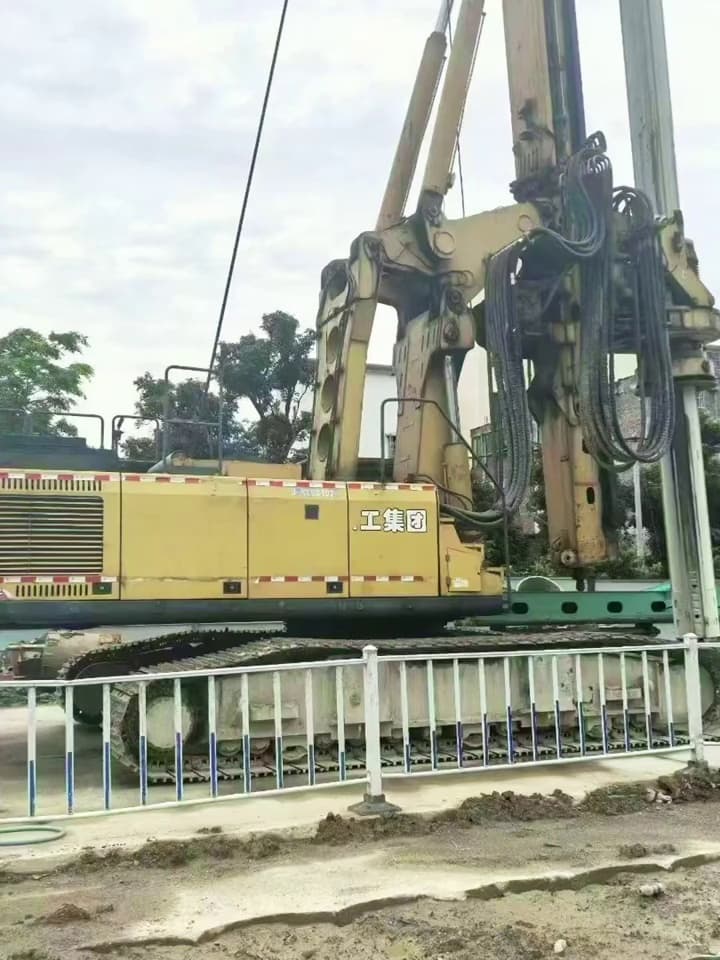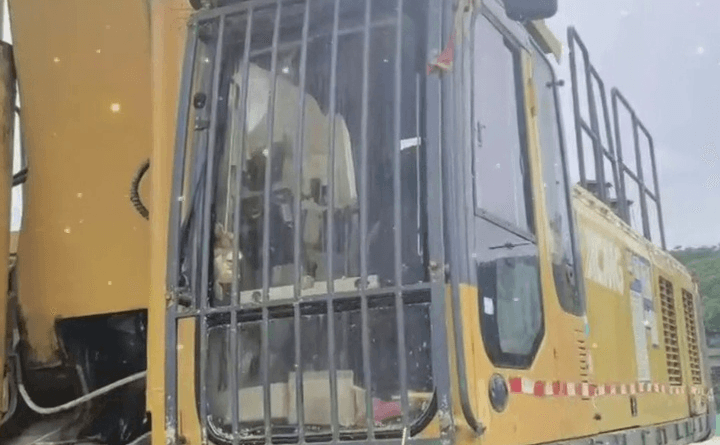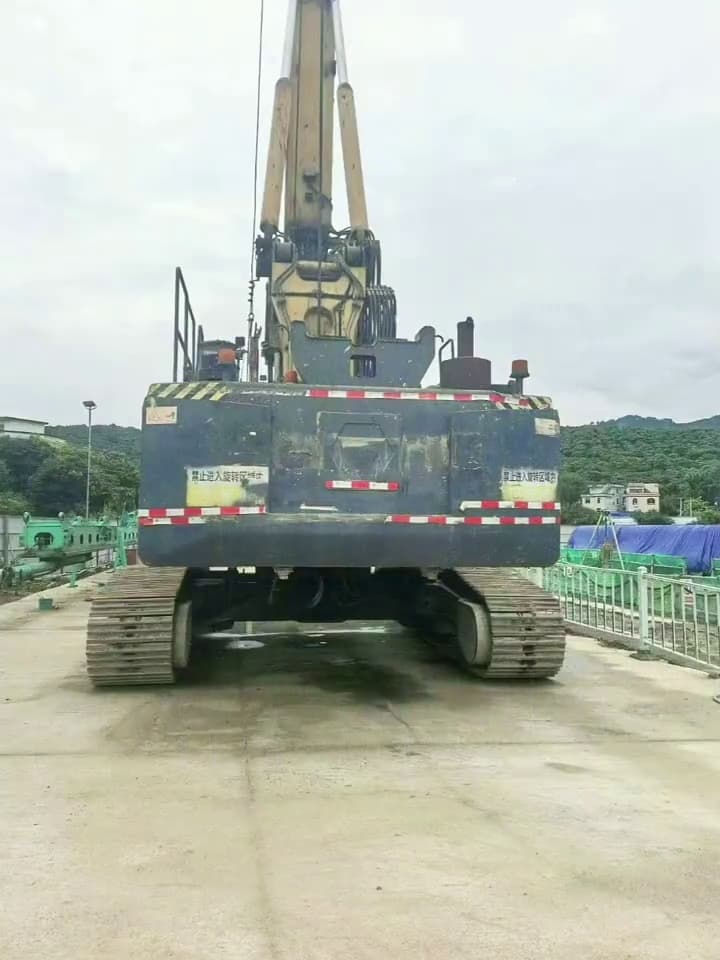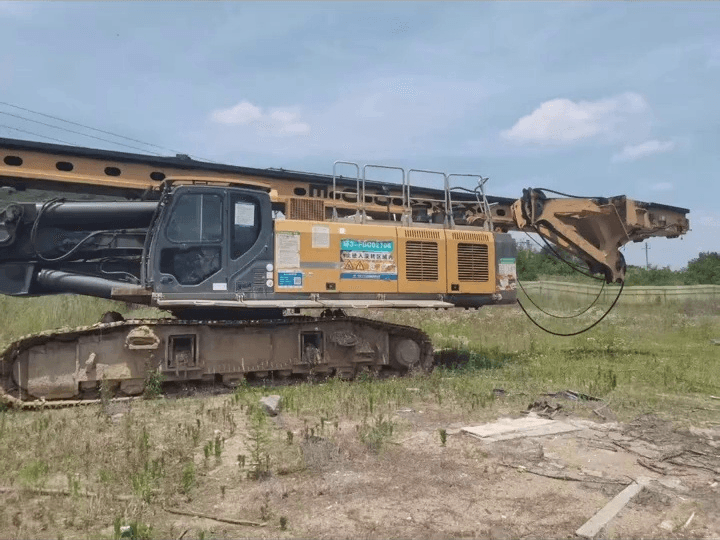
Beyond the paint: what other condition evidence should you check
When comparing used drilling rigs with original paint against rigs that have undergone refurbishment, buyers often focus on cosmetic shine. Different machines may show wear or have been repainted, so each one needs to be checked.
The choice between a rig described as having original factory paint and a refurbished rig cannot be made on appearance alone. The mechanical condition of a machine with an aged finish claimed to be original still needs checking; a shiny repainted machine may also have cracks, leaks or mismatched components. Use records and inspection to assess what a surface treatment may conceal.
What Factory Paint Really Tells You
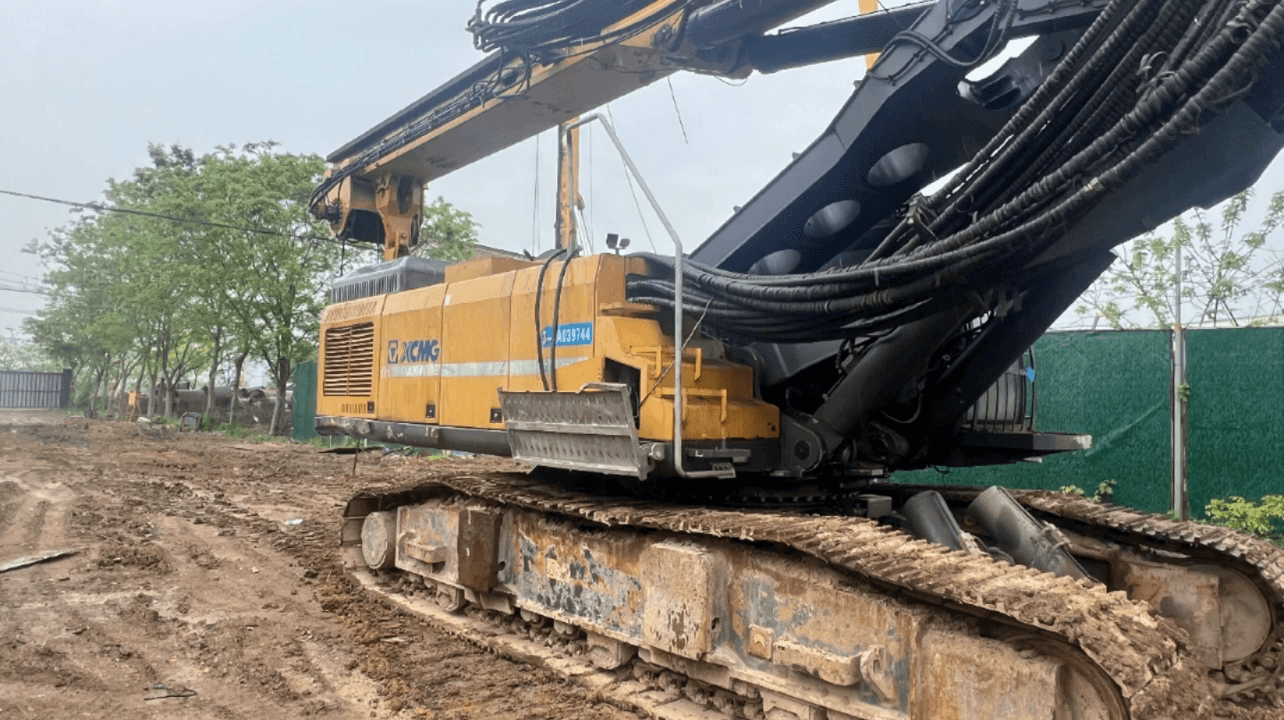
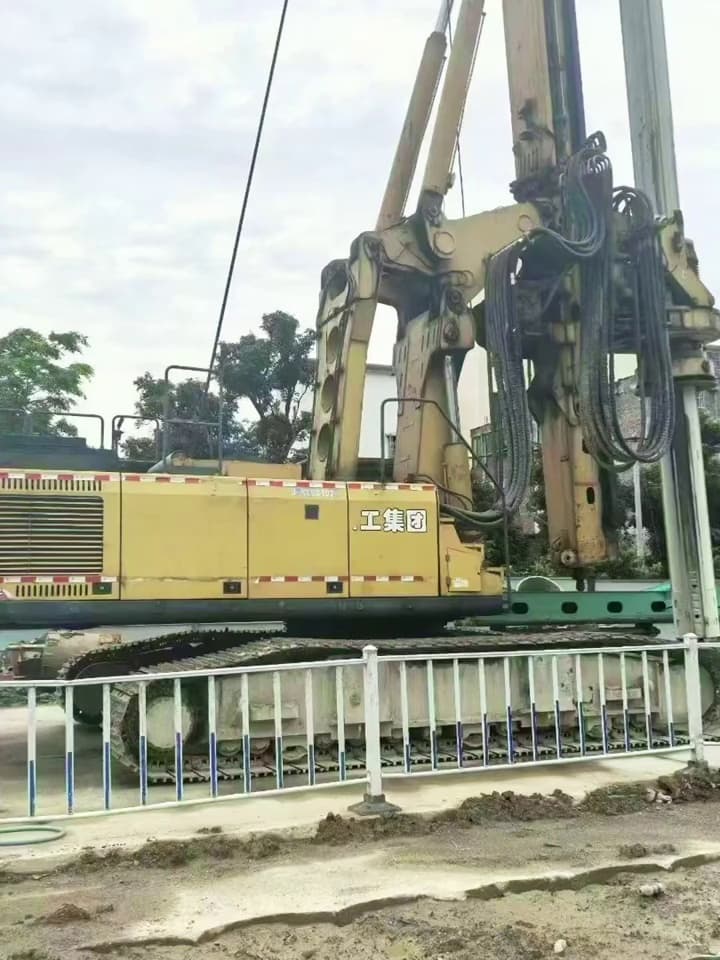
Paint described by the seller as original factory paint can be one clue when examining signs of use. Record wear, paint loss, scratches and rust, but do not use those signs alone to determine the cause of stress, the source of a leak, or whether the equipment was exposed to chemicals or salt.
Factory paint does not prove good mechanical condition, and appearance alone cannot establish whether paint is original. A machine said to retain its factory paint may still have had its engine or bearings replaced or its frame repaired. Assess the seller’s description, repair records and actual inspection together; paint is a clue, not a certification.
What Problems New Paint Can Hide
“Refurbished” can describe different scopes of cleaning, repair or repainting. A seller may use the term after only limited work. Determine the actual scope from written agreements, repair records and inspection; the label alone does not establish mechanical condition.
New paint can also conceal problems. Cracks may be filled and painted, sealant may hide leak paths, and old hoses may look new. A serial-number plate can be removed or obscured. The exterior may look excellent while the internal condition remains unknown, so a used rig that has undergone refurbishment needs a different inspection checklist.
Terminology: From Cleaning to Remanufacturing
Cleaning, repair, repainting, rebuilding and remanufacturing may cover different work; the definitions and scope depend on the seller’s description, contract and actual process. Cleaning normally focuses on removing dirt, repair addresses a specific fault, and repainting mainly concerns the surface. For rebuilding or remanufacturing, request the components involved, work processes, applicable standards and test results; do not infer from the name alone that original factory specifications have been met.
When a seller says refurbished, ask what that specifically means, in writing. Which components? Which invoices? Which measurements were taken after the work was completed? If the answer is vague, treat it as a claim. On GLOBMACH, you can request this evidence for a specific serial number, so you do not have to rely on marketing talk.
Visual inspection that sees through appearances
Even without disassembly, you can document surface clues. Look for paint overspray on hoses, bolts, glass and safety labels, and check whether nameplates, brand markings and casting numbers are legible. If a nameplate is covered in paint, check its readability and consistency with the equipment records.
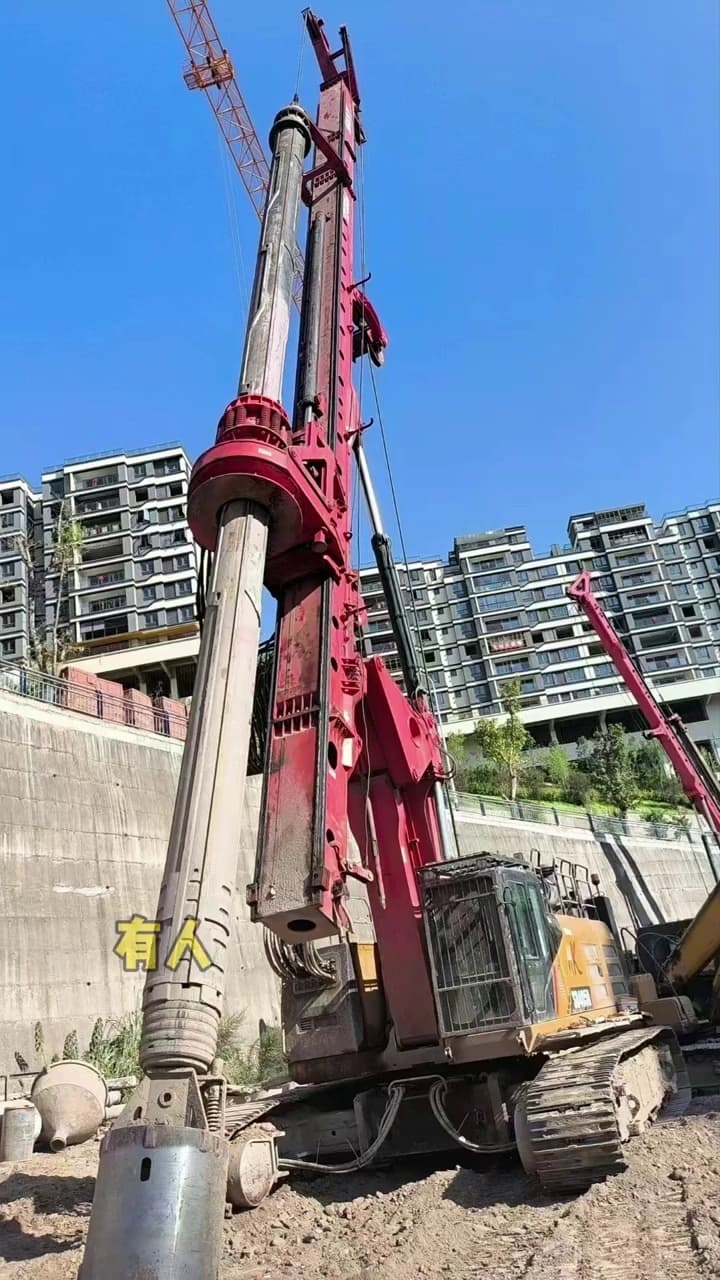
Look for obvious deformation, buckled plates or cracked welds on structural parts such as the mast and base, and record differences in old and new paint and around welds. A new coating over a weld does not by itself prove a defect or sound condition; for suspect areas, request repair and inspection records and have qualified personnel assess the actual equipment.
Ask for the paper trail behind the paint
Request dated labor and parts records linked to the equipment, and ask whether the relevant component serial numbers are listed. For applicable overhaul work, request before-and-after measurements and records relevant to the scope of repair.
Ask when the applicable functional, pressure and leak checks were carried out relative to repainting, and request records linked to the equipment. If structural welds have been repaired, ask for the relevant repair and inspection documents; the appropriate test methods and sequence depend on the equipment manual, applicable standards and qualified personnel’s judgment and cannot be inferred from paint alone.
Test after refurbishment, not only before
After repairs or surface preparation, determine what functional checks are still needed for the machine’s configuration and the inspection objectives. Have qualified personnel perform applicable checks under safe conditions and within the machine’s limits, following the applicable equipment manual; document the items, test conditions and results and link them to the specific machine.
For the specific rig, use its configuration and applicable manual to determine which movements, hydraulic functions and cylinders need checking. Request test records or video that can be matched to the equipment identification and date; video from before refurbishment alone cannot prove its later condition, and video itself cannot replace all necessary inspections.
GLOBMACH Buyer's decision rule
Neither factory paint nor refurbishment is automatically better. The decision should be based on documented work and verified function. A transparent refurbishment with complete evidence may carry lower risk than a factory-painted machine with unresolved defects. The reverse is also true.
Therefore, when you submit an inquiry for GLOBMACH, state your decision inputs: the acceptable scope of repair, the required records, inspection access, warranty terms, and final appearance expectations.