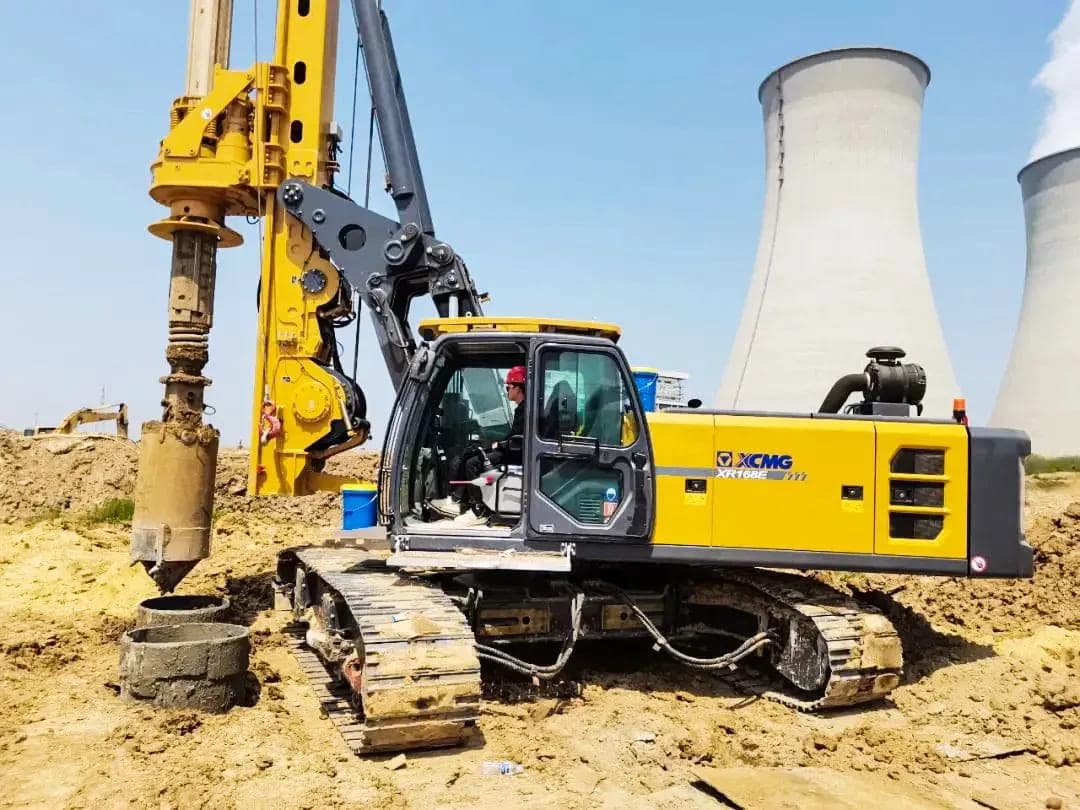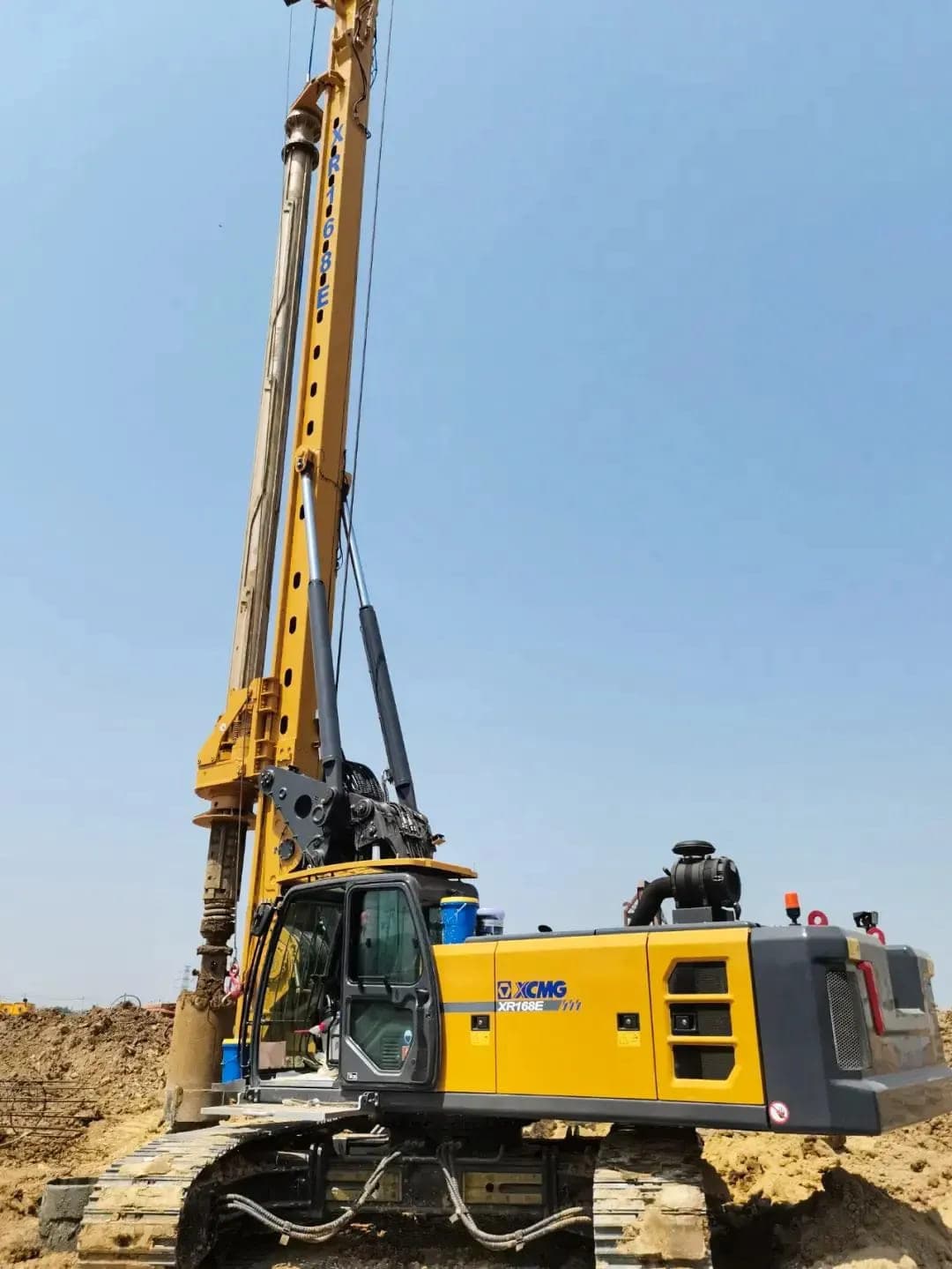
Why the XR168E Gets Shortlisted
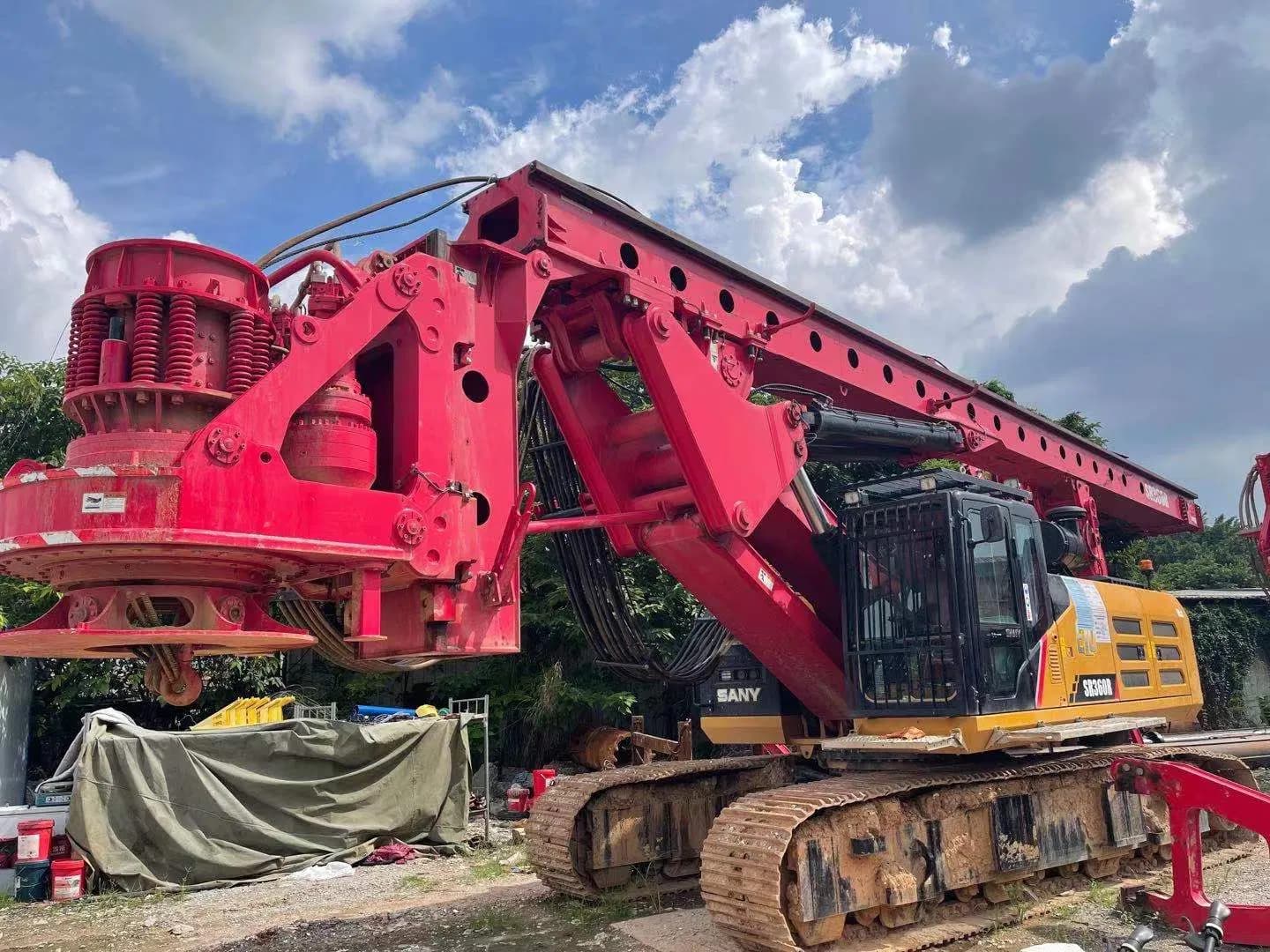
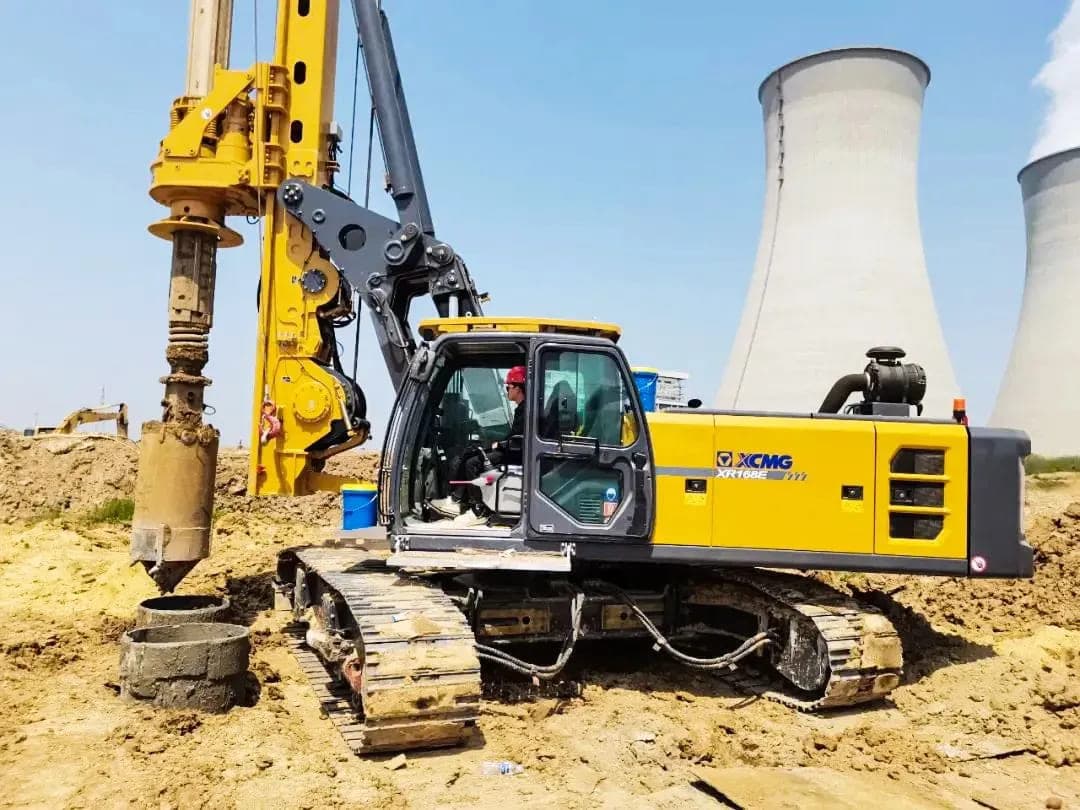
The XCMG XR168E is a common answer when a contractor steps down from big-diameter foundation work and needs a machine that can move between smaller sites without a parade of trailers. It is also a common answer for subcontractors who want a rotary rig that can be made ready in a week rather than a month. The problem is that the model name answers only the class, not the job.
A used XCMG XR168E can be specified with different Kelly bars, different winch lines and different tool packages, and those differences decide whether the machine reaches your required depth or stalls at the first hard layer. Before you ask for a price, ask what the exact unit includes and what evidence the seller can attach to that exact stock number.
Separate the Family Brochure from the Unit
XCMG's current global rotary-drilling range includes the XR168E, and the manufacturer's product material is a fair starting point for understanding the family's intended envelope. That material can tell you the general torque class, the typical mast length and the way the machine is configured in current production. It cannot certify an older or re-exported unit.
The plates on the machine, the controller readout, the fitted Kelly and the measured transport condition are the real evidence. If a seller quotes a depth or a torque figure, ask them to show where that figure is recorded on the specific unit, not where it appears in a brochure.
What the Market Evidence Actually Shows
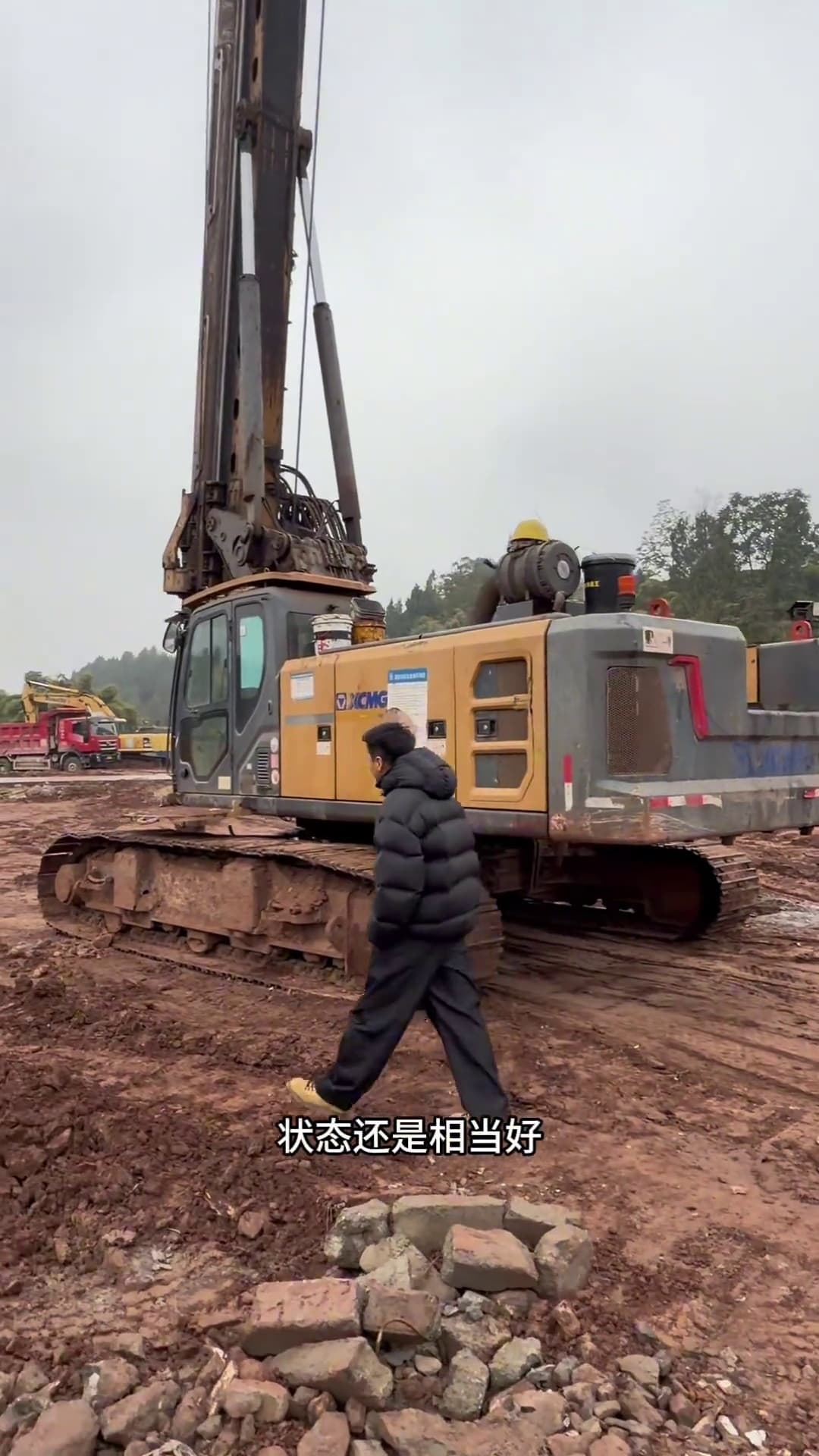
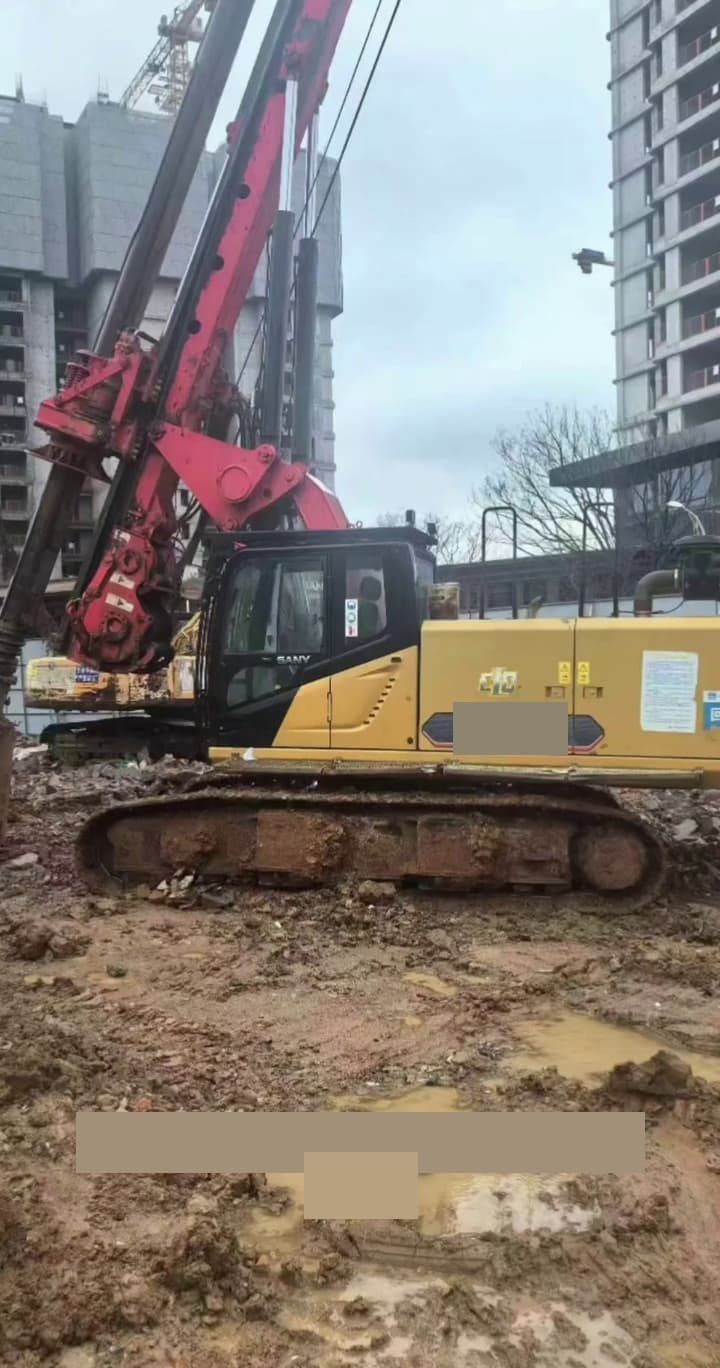
GLOBMACH currently lists three XR168E units, and the local search material contains price and model questions for the 168 class. That tells us there is enough buyer interest to make a dedicated guide useful, but it does not create a fixed market price. No two used units carry the same wear, tooling or repair history, so a price that looks low may simply be missing the Kelly or the spare parts.