The compact SR125: a specialist, not a generalist
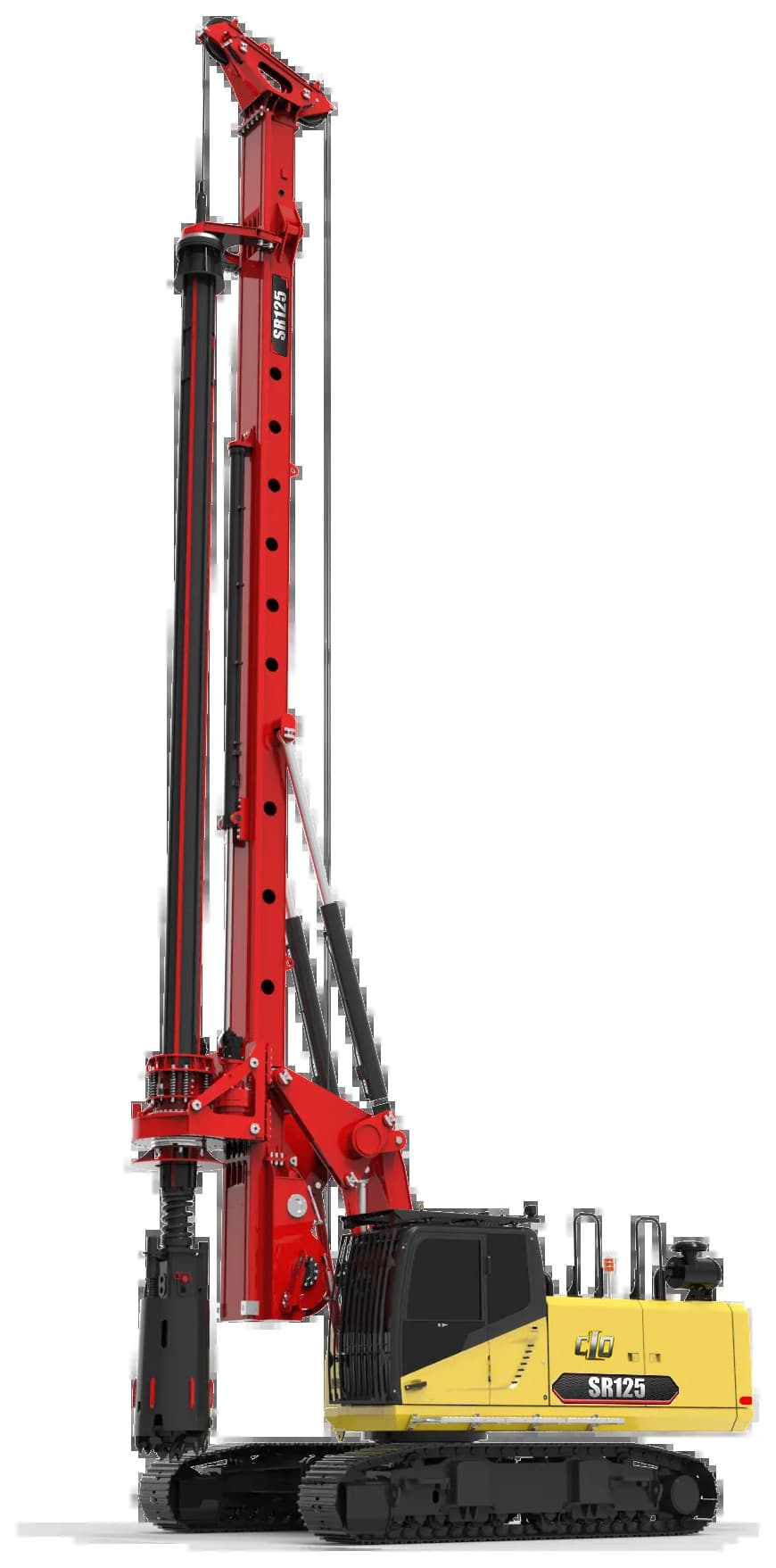
The used SANY SR125 rotary drilling rig is often presented as the machine that slips into tight urban sites and moves between small pile programs without a fuss. That story holds only when the actual configuration matches the ground you intend to drill. A compact footprint does not guarantee low ownership costs; it simply narrows the envelope in which the machine can work efficiently.
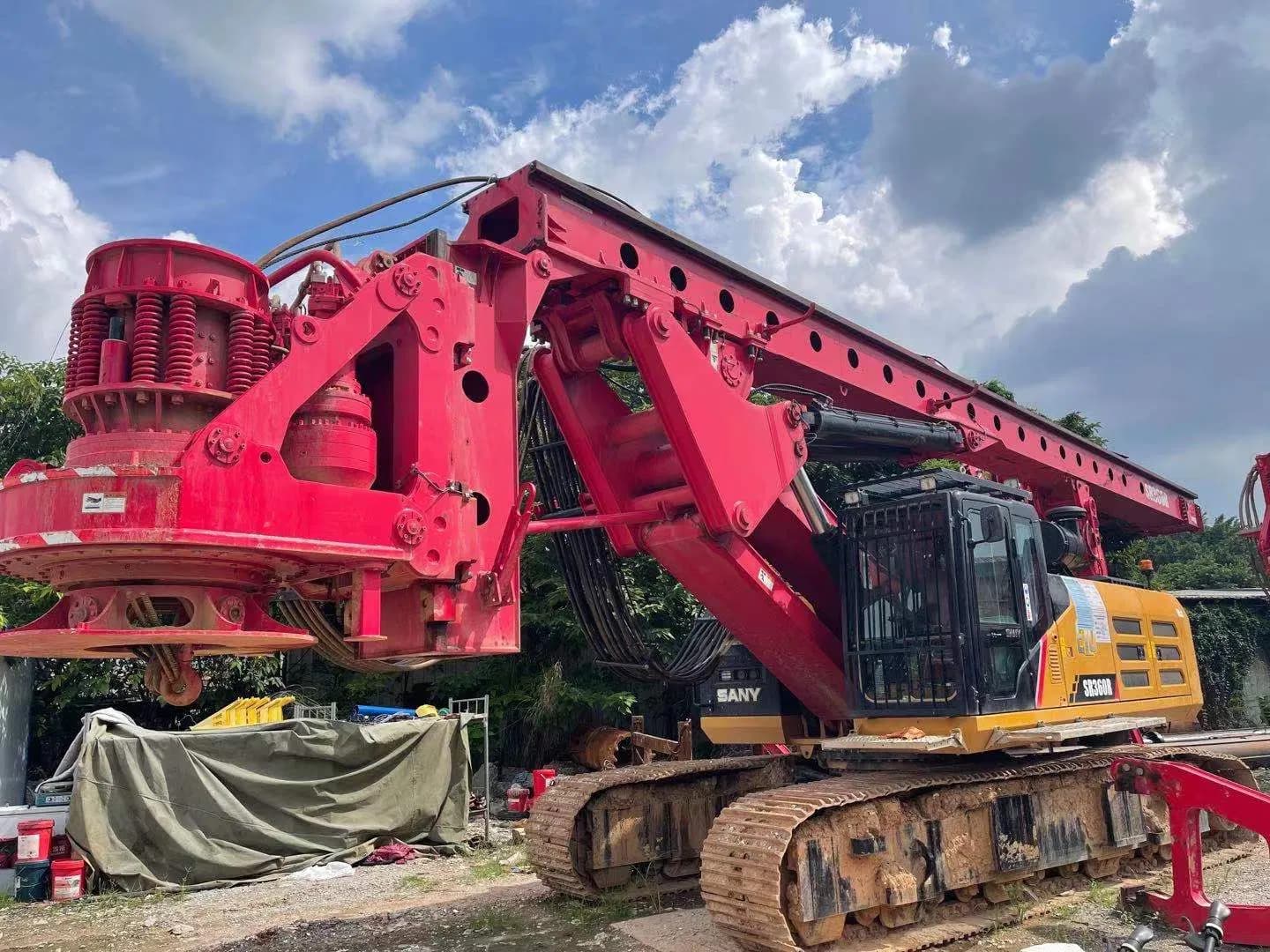
For a buyer, the first step is to stop thinking of the SR125 as a single machine. The model name covers several years, Kelly options, and undercarriage variants. The seller's description is a starting point, not a specification. You need to see the serial plate, the Kelly bar, the rotary drive, and the counterweight arrangement to know what you are actually pricing.
Where the SR125 really differs: the compact working envelope
SANY's current family pages give a useful scale comparison. The SR125-V reference is 1,500 mm maximum pile diameter, 41/31 m depth across two Kelly arrangements and 30.9 t operating weight. The current SR305R-S reference is 2,500 mm, 100/65 m and 105 t. These are current-family figures, not specifications for either used unit, but they show why an SR125 purchase is primarily an access and mobilization decision rather than a substitute for a 300-class rig.
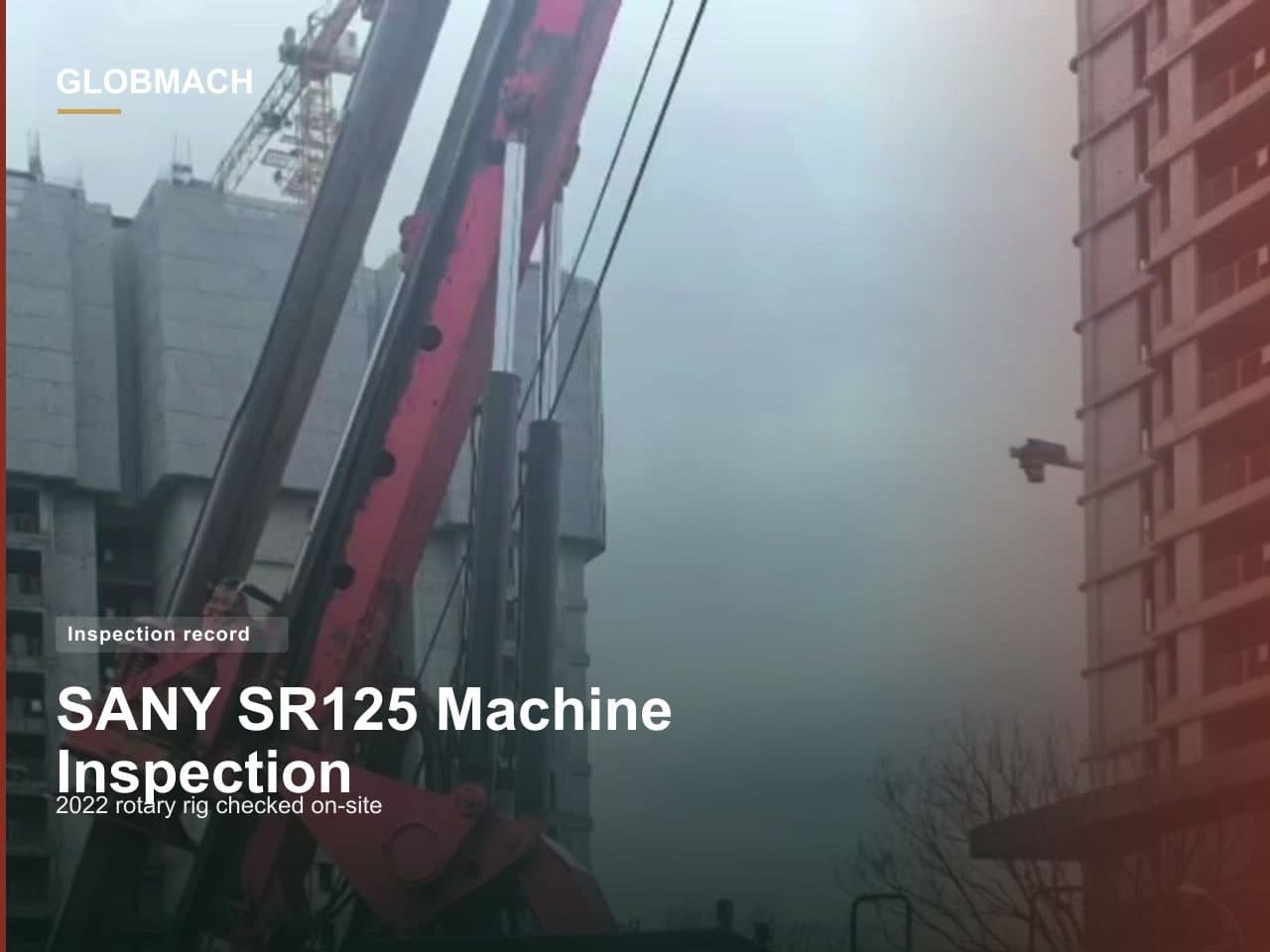
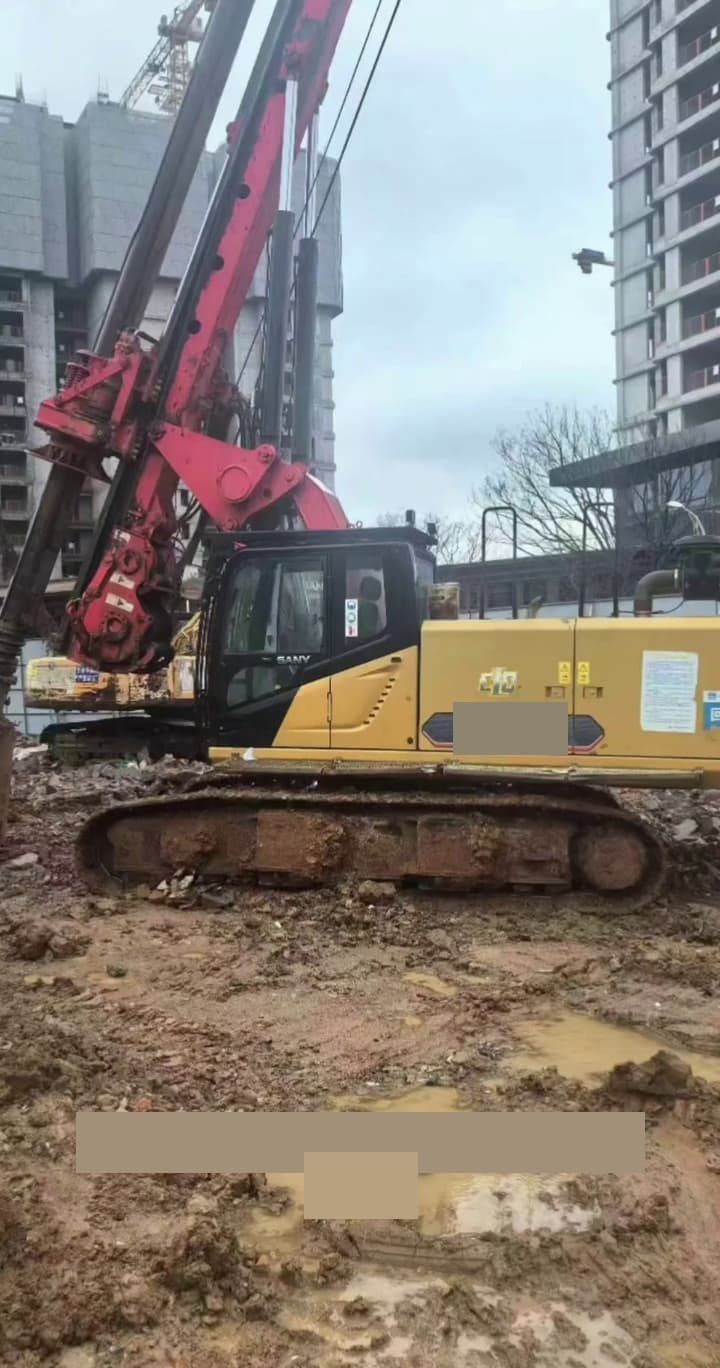
GLOBMACH's current SR125 candidates are Stock EB-747861 and EB-E091062CB8. Their public pages establish identity and provide current-unit images; the fitted Kelly, measured transport envelope, year evidence and operating condition still have to be attached to the selected stock ID. For a constrained urban site, ask first for gate width, turning area, overhead clearance, assembly space and local axle limits. If those constraints do not create value, the compact premium has no automatic commercial advantage.