
Start with the Stock ID
Use the GLOBMACH stock ID as an internal trace key linking the listing, inquiry, inspection and agreed machine. Formal shipping and import documents may rely on manufacturer, model, serial or other identifiers required by the destination rather than the website stock ID. Build a cross-reference so the internal record and the physical serial evidence cannot be confused with another unit.
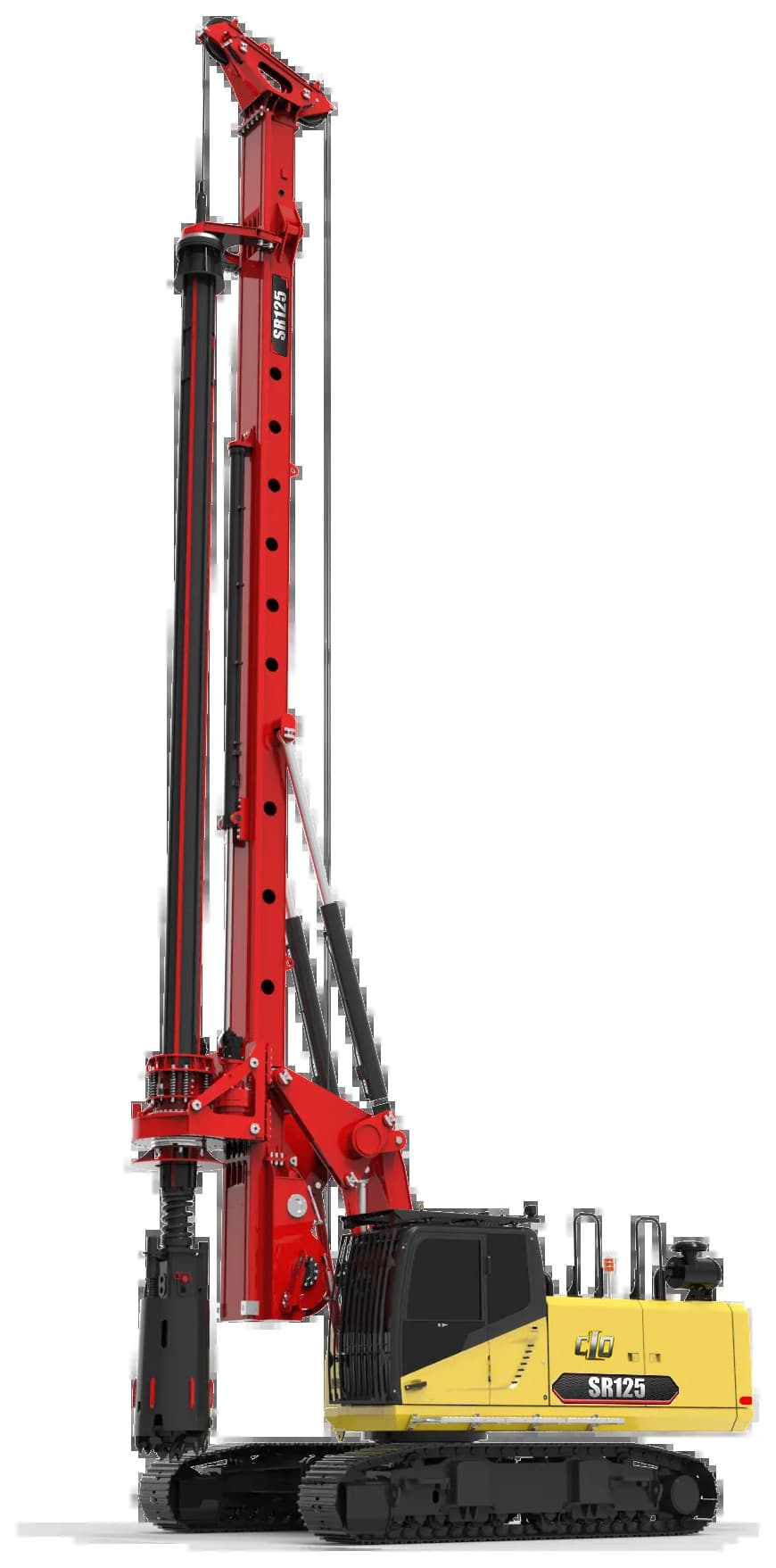
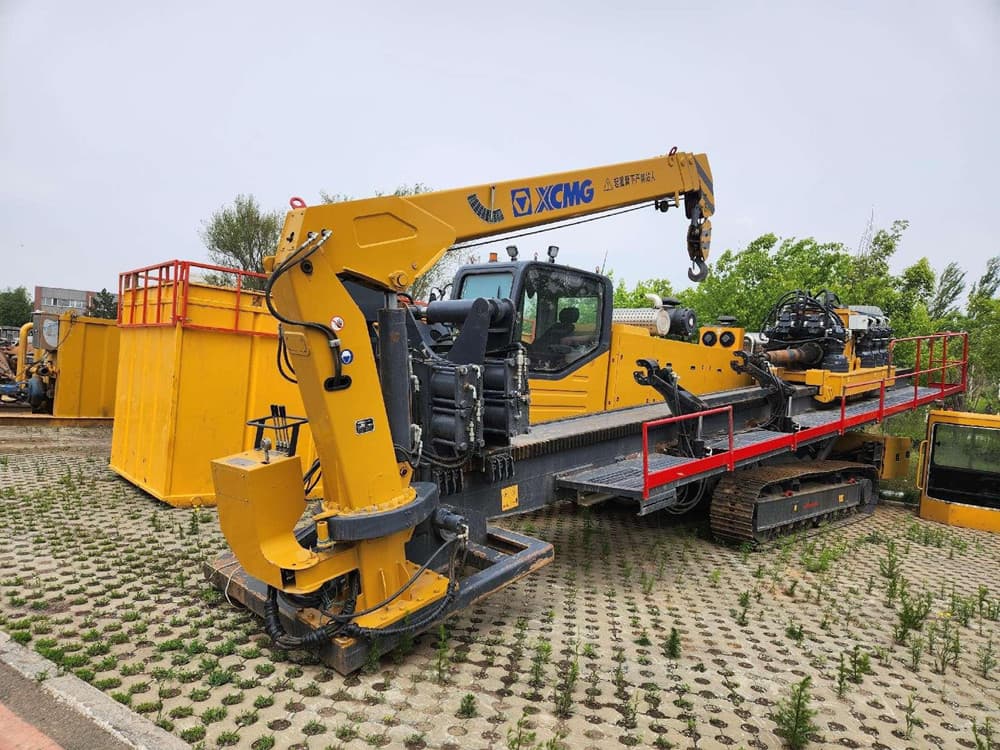
For a used drilling rig, the stock ID should tie to the manufacturer's model plate and the frame or unit number. Ask for a photo of that plate with the stock ID visible. That photo becomes part of your document chain. Without it, any later discrepancy—say, a slightly different model year on the commercial invoice—will cost you days of correction. Always lock the stock ID first.
The Commercial Invoice Is More Than a Price Tag
The draft commercial invoice should identify the agreed machine consistently enough for the buyer, seller, carrier and broker to reconcile it with the contract and serial evidence. The exact description, year, condition wording, classification data and required identifiers vary by destination and transaction. Ask a licensed customs broker to review the draft instead of copying a template from another shipment.
Cross-check the draft invoice against the stock ID, serial evidence, agreed scope and contract parties. The exact description, declarant, consignee and disclosure requirements depend on the destination and transaction structure. Have a licensed customs broker and, where needed, legal counsel review the draft before payment; do not assume that one party name or repair detail is universally required.