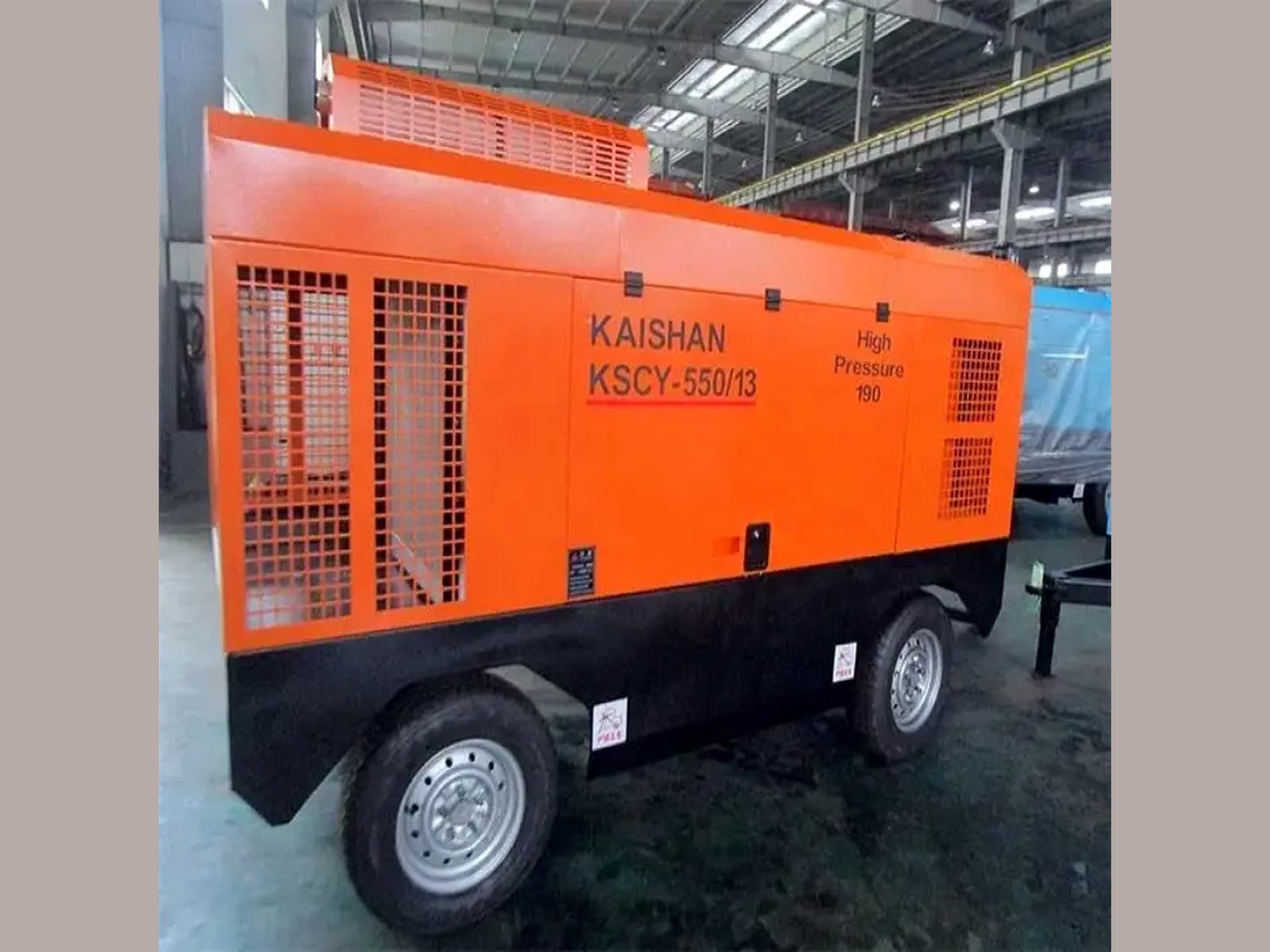
Start with five inputs for matching
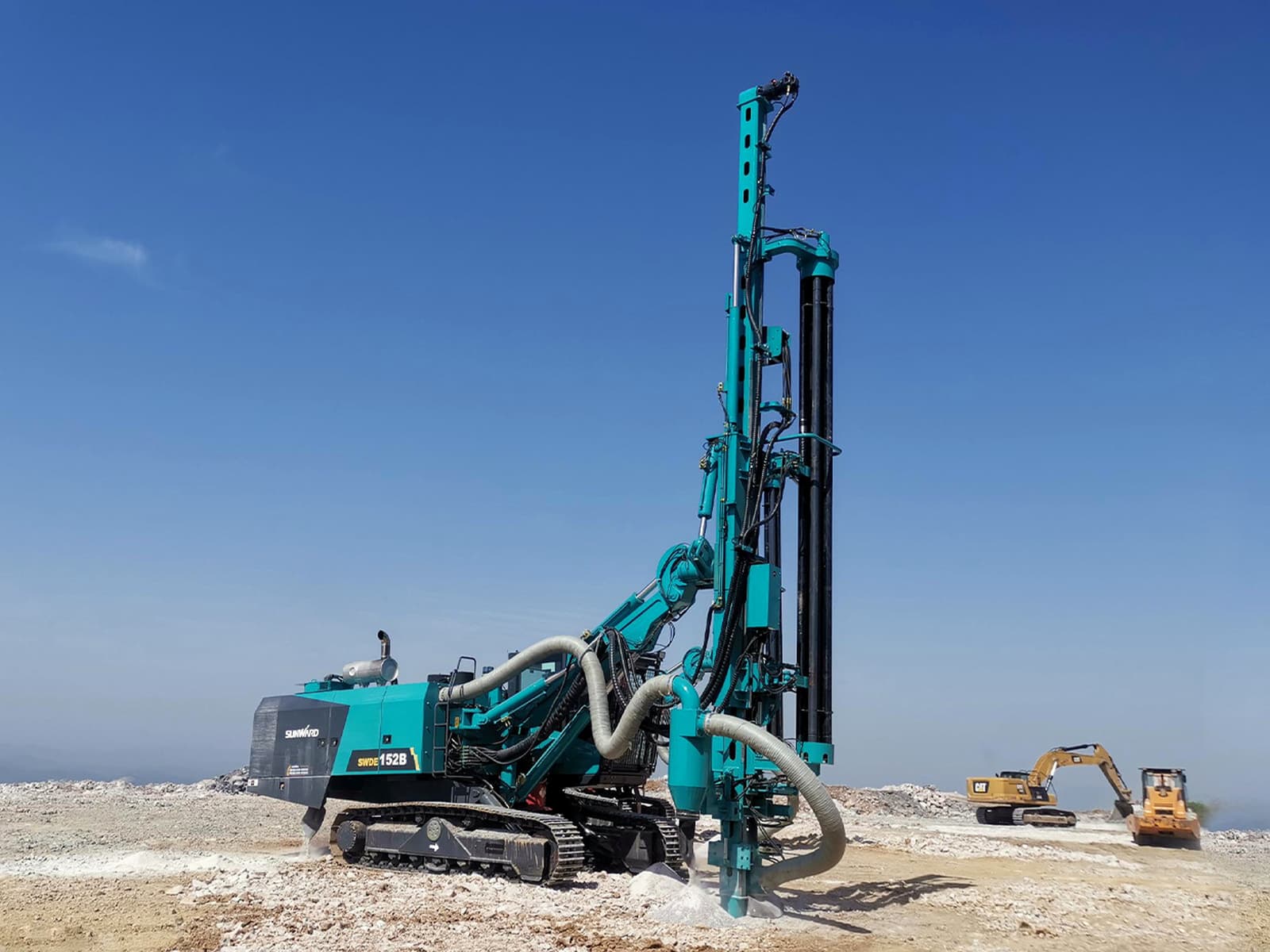
The model is only a starting point. The actual match depends on hole diameter, target depth, rock hardness, hammer size and how the drilling rig operates.
- Required hole diameter and target depth
- Rock type and expected fracture conditions
- DTH hammer size and drill rod diameter
- Operating altitude and ambient temperature
- Drilling rig model and current air compressor configuration
Check the DTH hammer requirements and the air compressor output under the same conditions
Ask the supplier for the exact hammer model, the corresponding air consumption data, and the air compressor's air supply data at the intended pressure. Do not directly compare airflow figures at different pressures, in different units, or under different test conditions; the manufacturer's reference parameters also cannot replace the test results for this used air compressor.
Also provide the operating altitude, ambient temperature, hole diameter, hole depth, drill rod and air supply line configuration, and ask the supplier to verify suitability against the manufacturer's documentation. The COP M series selection documentation from Epiroc incorporates altitude and temperature into the airflow assessment, so matching cannot be completed based on a single rated air displacement figure alone.
- Exact model of the DTH hammer and the version of the air consumption data used
- Air compressor model, rated pressure and corresponding discharge capacity, with units and test conditions specified
- Site altitude, temperature and drilling conditions
- Specifications and inclusion scope of air supply hoses, connectors, lubrication and other accessories
- Load test record: test conditions, pressure, duration and abnormalities
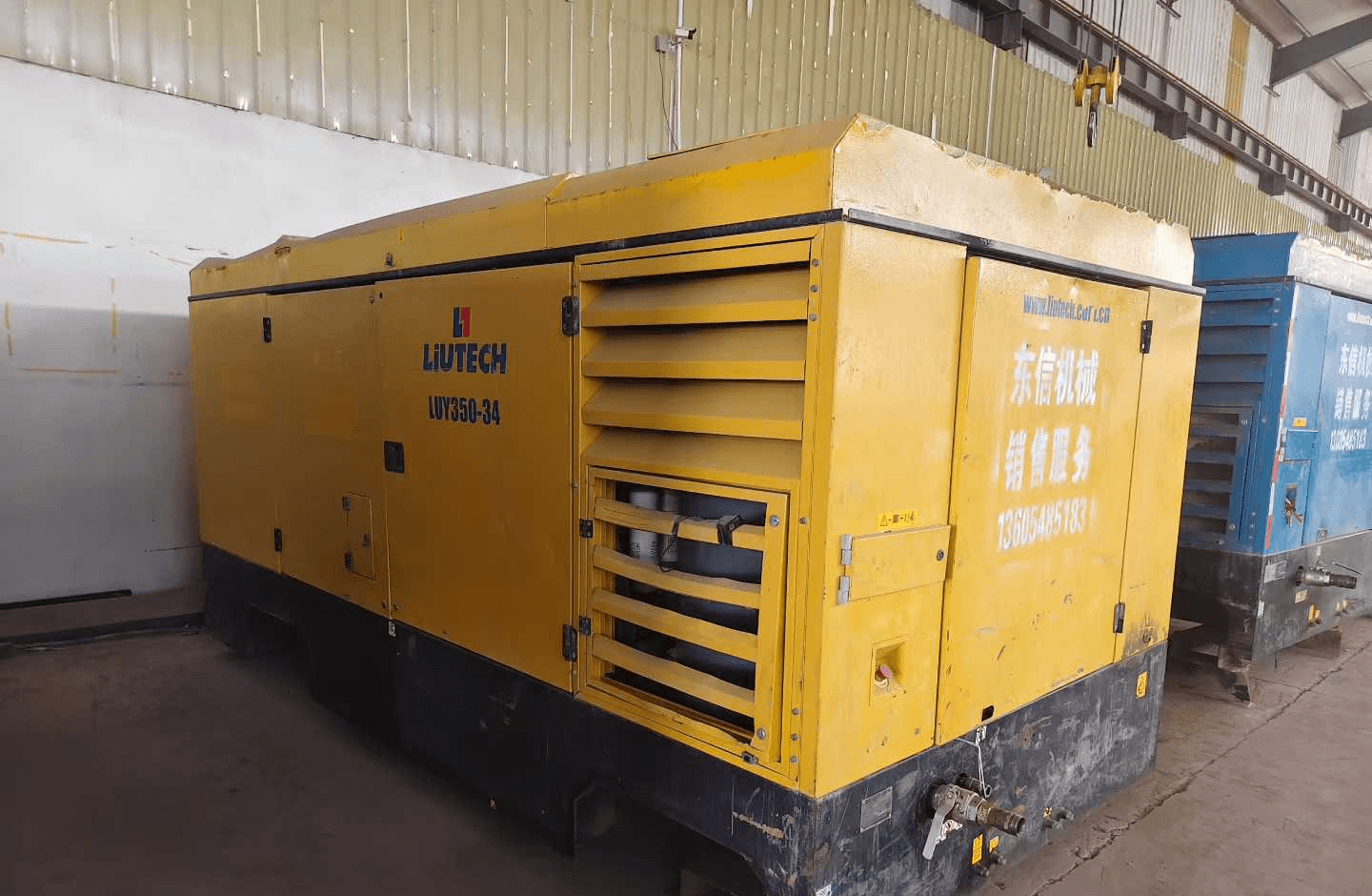
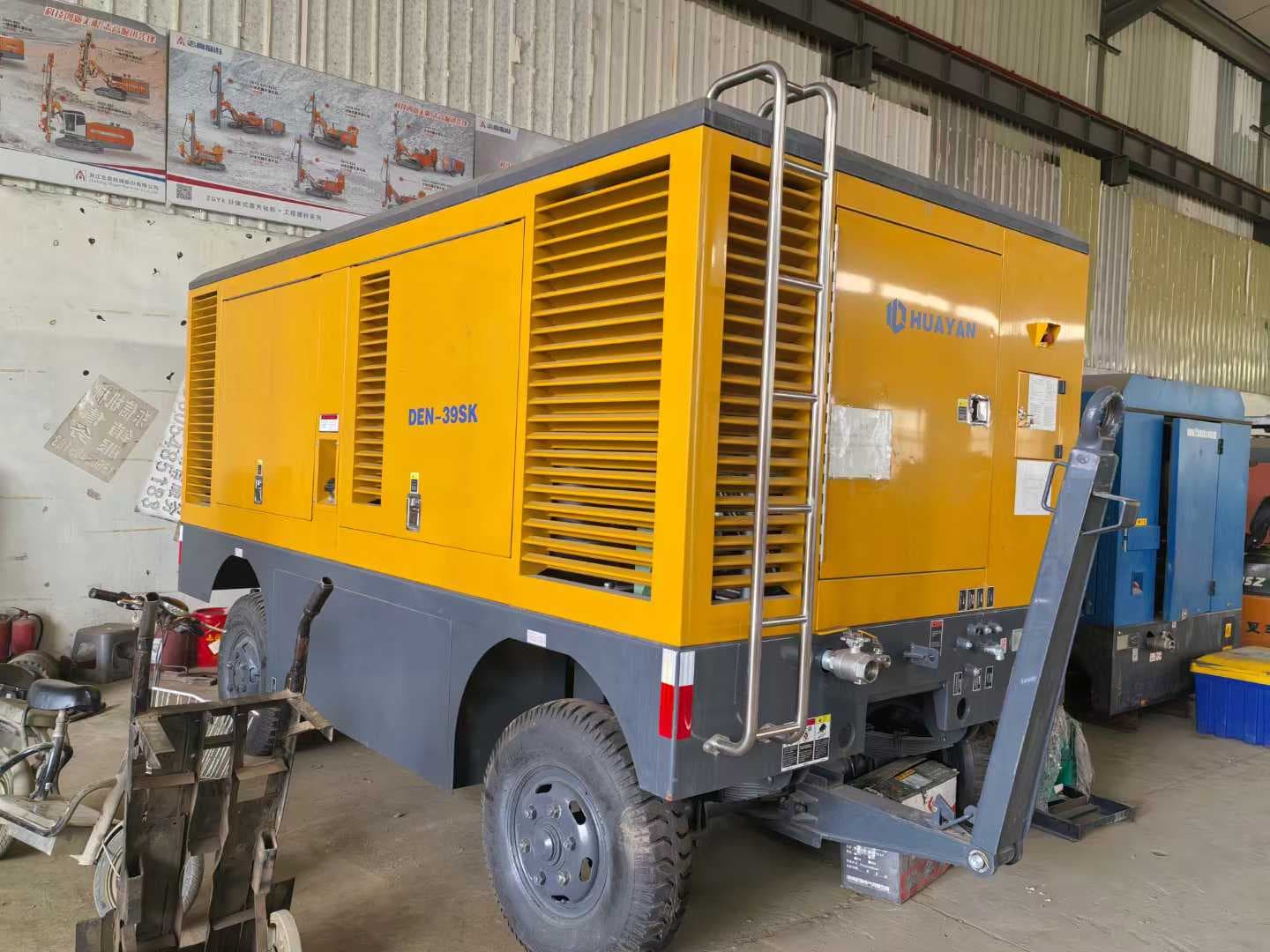
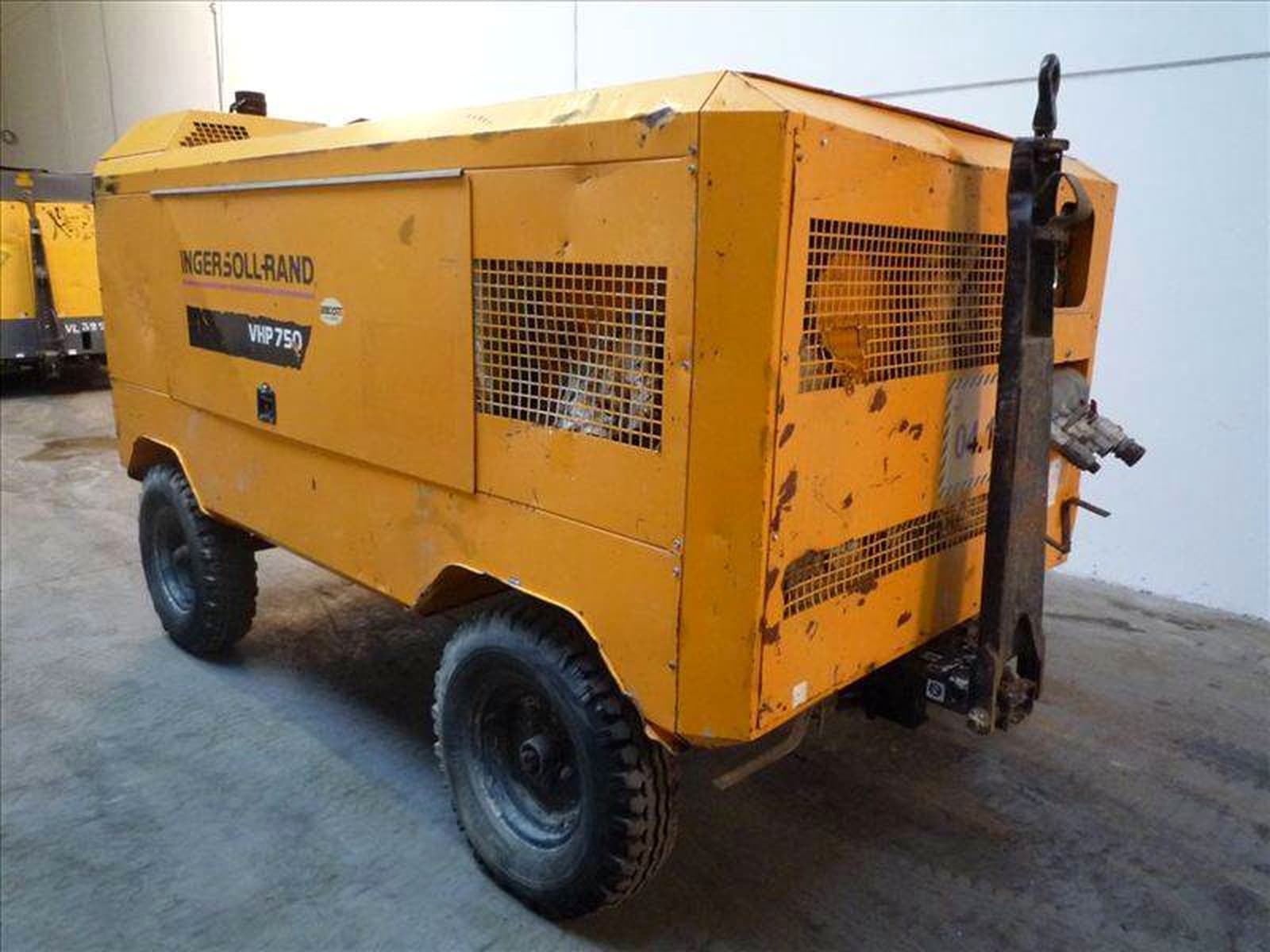
Used compressor inspection
Request a cold start, pressure build-up and stable-load test under safe conditions, together with records of outlet temperature, engine data, visible oil or air leaks and maintenance history, and close-up views of the compressor airend and filtration system. Qualified personnel should determine and conduct the tests according to the applicable manual for the specific machine and site safety conditions.
Use the nameplate and applicable equipment documentation to check rated pressure and airflow, and record this machine’s test data under the relevant operating conditions.
When requesting a quote, specify whether you are buying the main machine or a complete matching solution
In the quote, state separately whether the air compressor, air supply piping and other accessories are included, and match the photos, nameplate and test records to the same equipment number. If the hammer model has not yet been determined, first provide the details of the existing drilling rig and drilling tools, then discuss candidate air compressors.