Define the bore before choosing the torque class
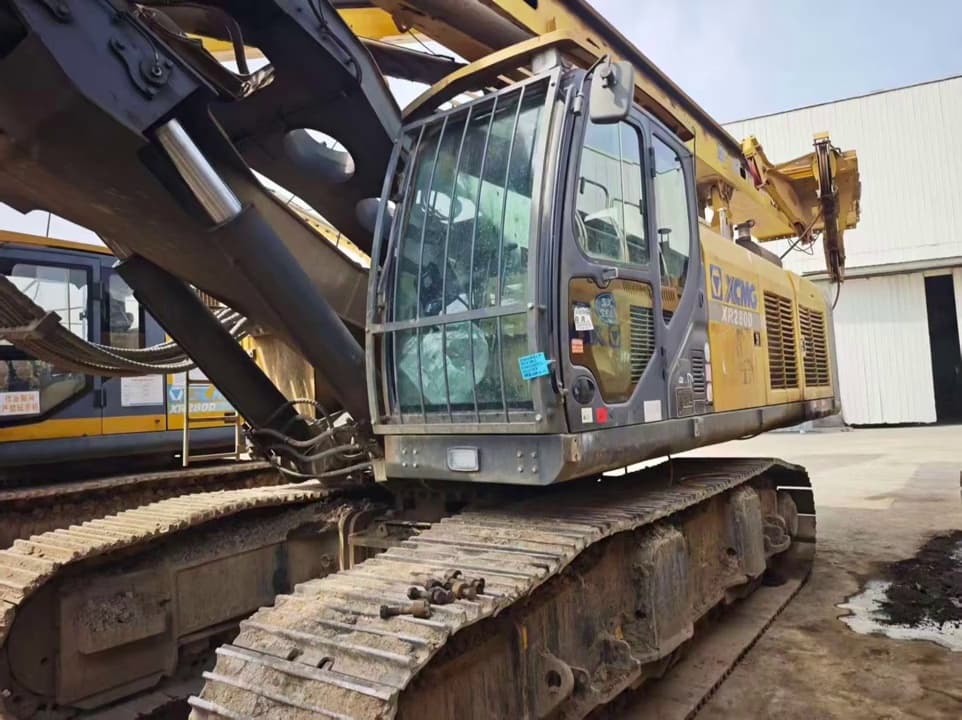
The XR240E and XR280D sit close enough in the used market that buyers often ask for both. The right comparison begins with maximum pile diameter, normal and maximum depth, soil and rock layers, casing method, drilling tool, Kelly type, site access and production target. A higher torque class is useful only when the project and tooling can use it.
Send the bore log if available. If it is not, describe the layers in sequence and identify the hardest interval, groundwater condition and any boulders or backfill. Also state whether the planned work uses buckets, augers, core barrels, casing or other attachments. This converts a model comparison into an engineering shortlist.
Use official XR240E data to establish one side of the comparison
XCMG's current XR240E page lists 240 kN·m rated rotary torque, a published maximum drilling diameter of 2,200/2,000 mm depending on configuration, and friction/interlocking depth figures of 80/56 m. It also lists an operating weight of 84 tonnes. Those figures describe a current reference configuration, not every used machine carrying the model name.
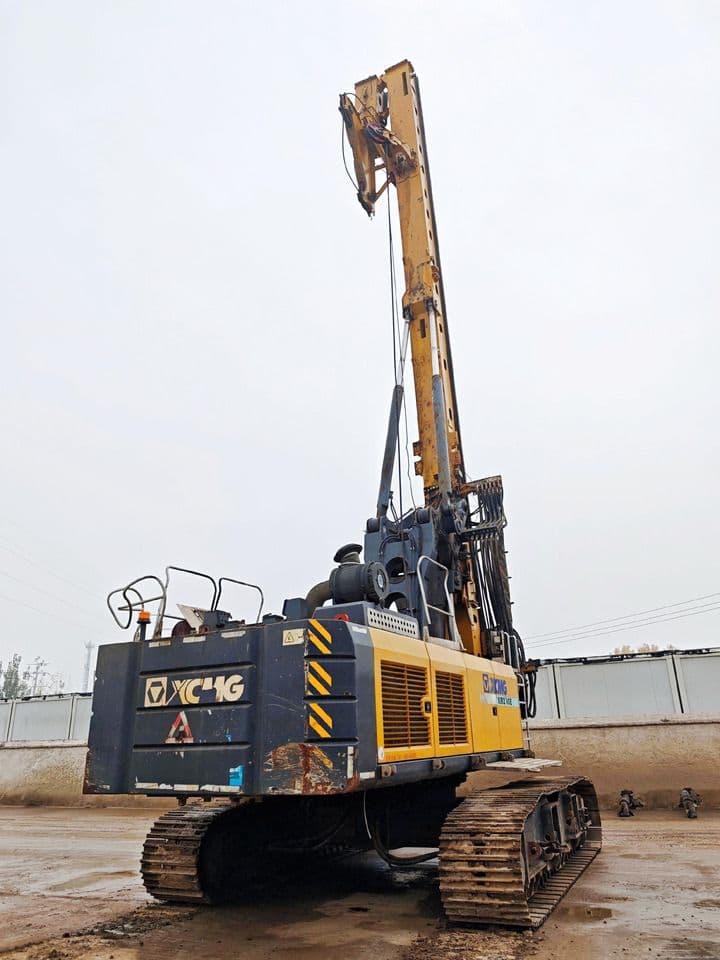
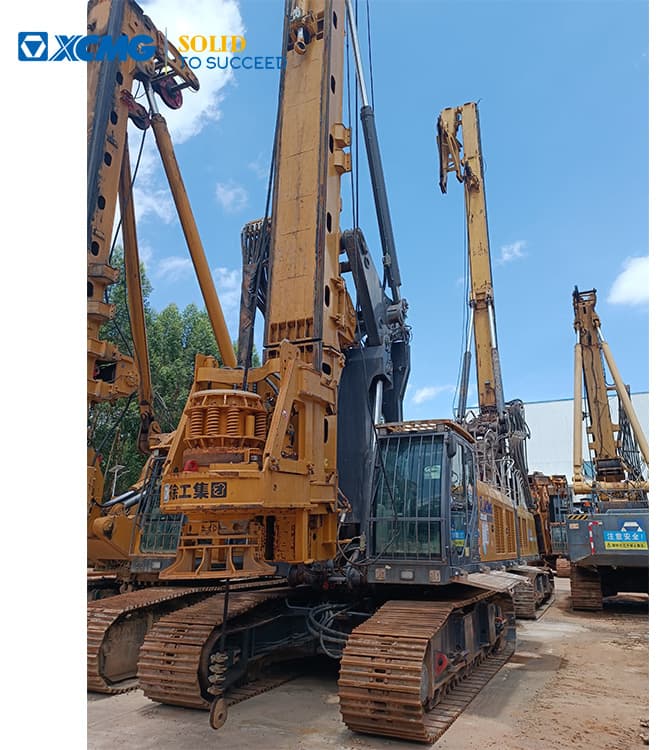
For the actual unit, verify the product plate, year, engine, rotary drive, crowd system and Kelly bar. Local seller material includes an XR240E described with approximately 5,600 hours and an interlocking Kelly bar; that remains a seller description until the display, serial identity and included bar are filmed and checked.