
Buying guides/Requirement guide

Requirement guide · Aug 16, 2026 · 9 min read

Used Water Well Drilling Rig Buying Guide: Match Depth, Diameter and Geology

Choose a used water well drilling rig from the hole backward, not from the model badge forward. We explain how to match depth, diameter, ground, tooling and compressor, then make the seller prove the exact machine can do the work.
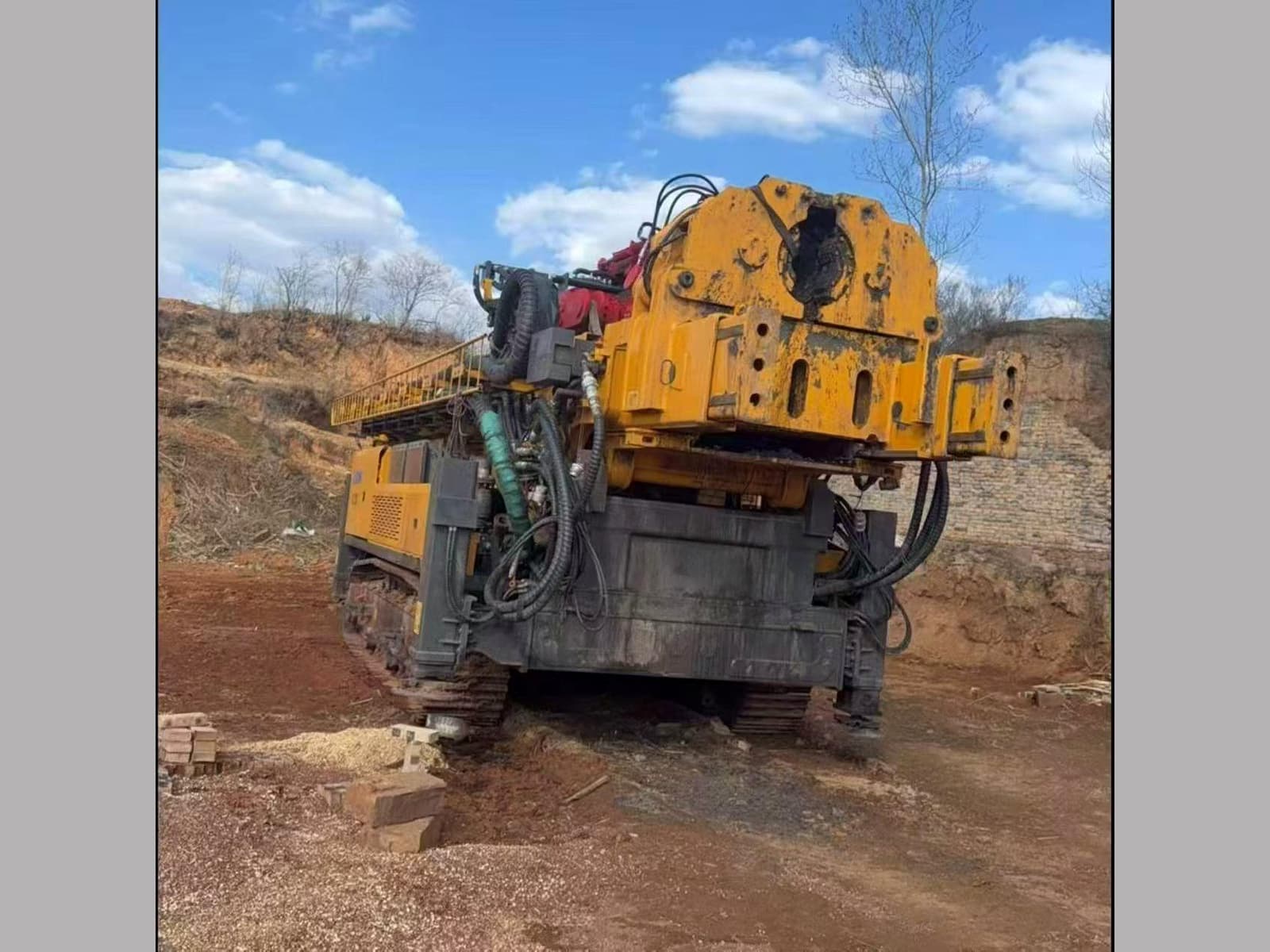
Used XCMG XSL20/1000 water well drilling rig in a machinery yard

"Can it drill 300 metres?" is only the beginning

That is one of the first questions buyers ask us, and we understand why. You have a contract, a village that needs water, or an irrigation project waiting. You want a depth number and a price. But a depth printed in a listing is not a promise that the rig will make your hole, in your ground, at a sensible production rate. We would rather slow the conversation down now than watch you discover that difference after the machine reaches your port.

We start with five plain facts: target depth, finished diameter, expected geology, drilling method and site access. A 200-metre domestic water well through soil and weathered rock is not the same job as a deep commercial well, geothermal work or a hole that must pass hard rock and unstable layers. A seller can call both machines a 'water well rig.' That label is too broad to spend money on.

Our rule is simple: the model follows the hole. We do not take a model name and invent a job it might suit. We take your bore plan and ask the seller to show the configuration, drilling tools and working evidence that answer it. When the evidence is missing, we do not fill the gap with confidence. We make the seller shoot it live for you.

Write the hole specification before opening listings

The used market is full of attractive badges: XCMG XSL360B, XSL520B, XSL680, Jinke and Feida machines, small tracked units and large deep-well rigs. Buyers naturally ask which brand is best. We first ask what the bore must look like when you hand it over. Hole depth without diameter is half a requirement; depth and diameter without geology are still not enough.
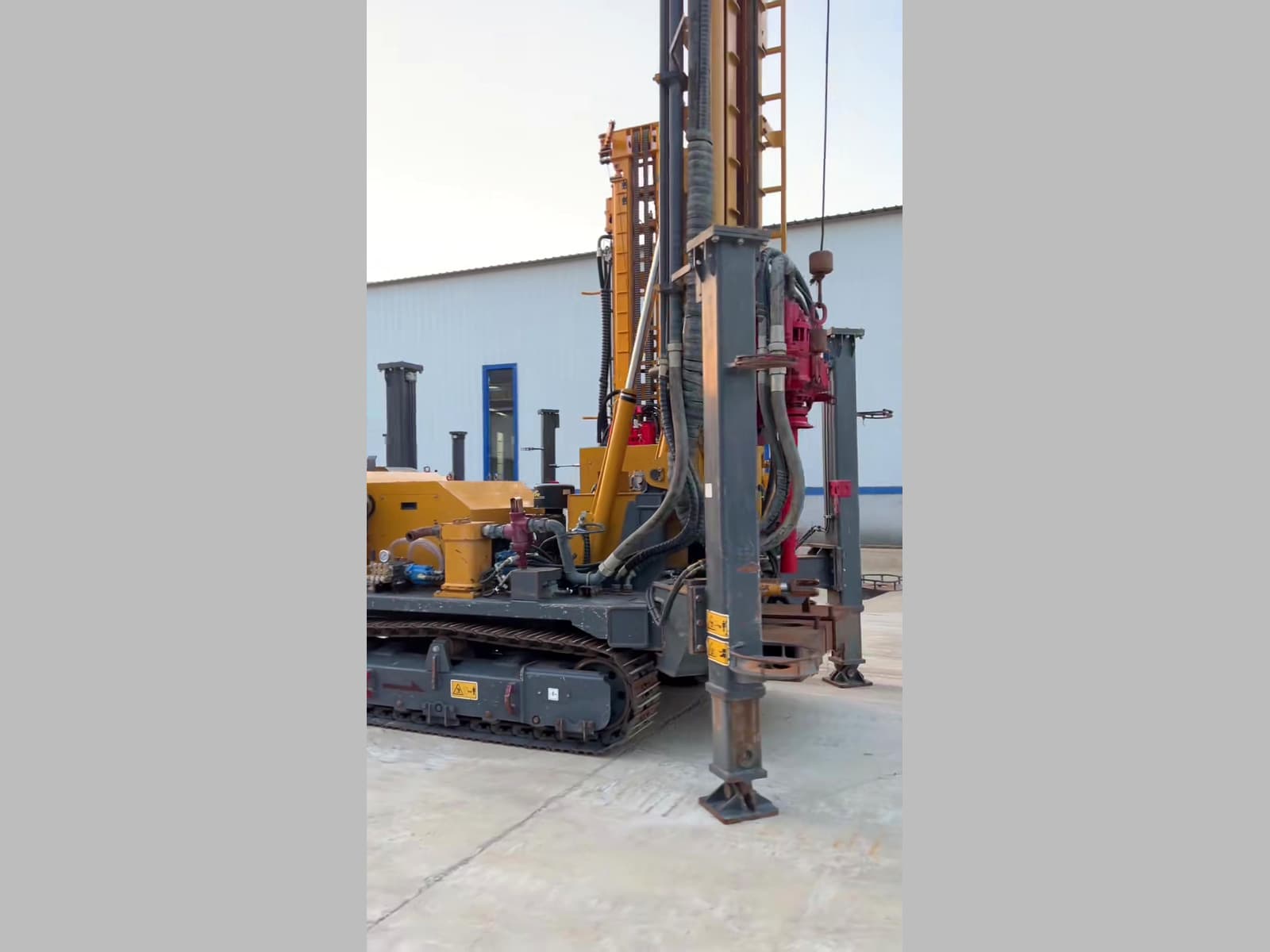
The source material shows why. One creator advertised a compact 200 model as a dual mud-water and air-DTH machine for soil, gravel and weathered rock, with a claimed maximum depth of 200 metres. Another advertised a pneumatic tracked rig with a claimed 350-metre depth, 130-305 mm diameter coverage and a 91 kW engine. Those are seller claims about those advertised configurations, not numbers we transfer to every similar-looking machine. We verify the plate, configuration and real output of the unit you may buy.

  • Target and normal working depth, not only the deepest hole you may ever attempt
  • Pilot and finished hole diameters, casing diameter and expected casing depth
  • Soil, gravel, weathered rock, hard rock and known broken or water-bearing zones
  • Preferred mud, air-DTH or mixed drilling method
  • Road width, slope, soft-ground risk and space available to level and work

Ground decides the drilling method, and the method decides the package

In softer formations, a buyer may plan around mud drilling. In rock, the source listings repeatedly pair pneumatic water well rigs with a DTH hammer and compressor. A dual-purpose machine may offer both routes, but a phrase such as 'soil and rock capable' proves nothing by itself. We need to see how the exact rig changes between methods, which rods and tools are supplied, and what the operator actually uses in comparable ground.

Hard rock exposes weak matching quickly. Market material describes slow penetration and repeated sticking when ordinary rotary drilling lacks the required rock-breaking ability, and it presents DTH impact as the answer for rock. That is a useful field signal, not permission to buy any air rig. The compressor, hammer, rod diameter and intended hole diameter have to work as one set. If the seller quotes the rig alone while your job requires air drilling, the quote is incomplete.

Unstable ground creates a different problem. Casing, circulation and the ability to control the hole can matter more than a proud maximum-depth figure. Tell us where the formations change and where collapse has occurred on previous wells. If your geological information is rough, we say so and build margin into the shortlist instead of pretending the ground will cooperate.

A working video must show work, not a warm engine posing in a yard

One market listing offered a 10-inch reverse-circulation rig bought in August 2025 for RMB 180,000 and invited buyers to watch it working on site. That invitation is more useful than ten captions saying 'ready to work,' but even a site visit must answer your questions. We want the rig drilling, circulating or blowing cuttings, feeding and retracting rods, and holding pressure after it reaches operating temperature.

For remote inspection, we ask for a continuous cold-start sequence with the current date or an agreed hand signal. The camera then covers the serial plate, engine plate and hour display before moving to the engine bay, all four sides and the undercarriage. Separate demonstrations should show power-head rotation, feed, rod handling, levelling legs, crawler travel and an actual drilling test. A machine idling after somebody warmed it up proves only that it can idle warm.

Paint is the least valuable thing on a drilling rig. We pay attention to leaks, hoses, pins, mast and feed wear, power-head behaviour, track components and repairs. 'Original paint' does not mean no major repair, and 'recently serviced' needs records and a list of replaced parts. If visible wear and claimed hours tell different stories, the seller owes you an explanation, not another beauty video.

Read real listings as clues, never as a specification sheet

Based on real second-hand market material, one XCMG XSL520B was advertised with more than 300 hours and described as nearly new, while an XSL20/1000 listing stated a 2021 machine with about 700 hours. Another 2025 XSL680 listing stated 1,280 hours. These examples show how wide the market is, but the hour figure belongs to the individual listing. We do not use it to price a different machine or assume that the meter is original.

The comments beneath these posts are refreshingly direct: What configuration? How much? Do you have a 200? How many metres? Is there a used 360B? Buyers are right to ask, but model and price questions should lead to a requirement comparison. A cheaper 200-class rig is not a bargain if your normal hole pushes it beyond the configuration the seller can demonstrate. A larger rig is not automatically wiser if it cannot enter your sites or raises transport and support burdens.

When a listing says 'nice price' or 'special inventory price' without a number, it has not quoted you. We request the number against one serial-numbered machine and a written inclusion list. The RMB 180,000 reverse-circulation listing is an individual asking price for an advertised package, not a market range. Condition, tools, location, test results and export scope still decide whether it is cheap or expensive.

The rig and the items beside it are one commercial decision

Water well packages often include or omit expensive working items: drill rods, bits, DTH hammers, compressor, casing tools and auxiliary equipment. One market post described a 2020 XCMG 350 rig with an Atlas Y1200 compressor using a Caterpillar C15, around 3,300 stated hours, 114 mm rods and other vehicles and tools. We would never treat that description as a clean package until every item, quantity, dimension and condition is photographed and written into the contract.

Parts are not an afterthought. Before purchase we check whether you can source filters, hoses, seals, rods, bits and other wear items locally, or whether a starter stock should travel with the rig. We ask for part numbers, lead times and the real route for remote technical support. A machine is not 'easy to maintain' because a seller says parts are everywhere. Let him identify the parts and show the supply route.

The same discipline applies to fuel use. Buyers ask for actual consumption because operating cost matters. We do not invent a litres-per-hour figure from a model badge. Ask the seller to run the exact machine in a defined drilling condition, record the load and duration, and explain the measurement. An honest job-specific observation is useful; a floating fuel number is sales decoration.

We turn a China machine into a landed, supportable package

Before payment, the written contract should identify model, year, hours, serial number, rods and tools, repairs disclosed, test evidence and the remedy if the machine differs materially from the video. For a first transaction, a payment method with recourse and a split between deposit and balance reduces exposure. We also cross-check the machine and engine numbers with the manufacturer where possible and review ownership evidence instead of accepting 'debt clear' as a caption.

Then we price delivery properly: named loading and destination ports, FOB, CFR or CIF terms, flat-rack or container plan, cleaning or quarantine requirements, and responsibility for port charges, customs and final delivery. The export file normally needs the invoice, packing list, bill of lading and certificate of origin, subject to your destination requirements. Surprises at the port are expensive and completely unproductive.

At GLOBMACH, we put your depth, diameter and geology in front of the model badge. We shortlist the rigs that make sense, push the seller for cold-start and drilling proof, separate machine condition from seller language, and show you where the money goes: tools, repairs, spares, export preparation and freight. Sometimes our best advice is to spend more on the right package. Sometimes it is to walk away. Walking away is cheaper than shipping somebody else's problem across an ocean.

Turn the requirement into a machine shortlist.

Send the work, depth, ground, budget, and destination. We will narrow the equipment before confirming a unit.

Send requirement