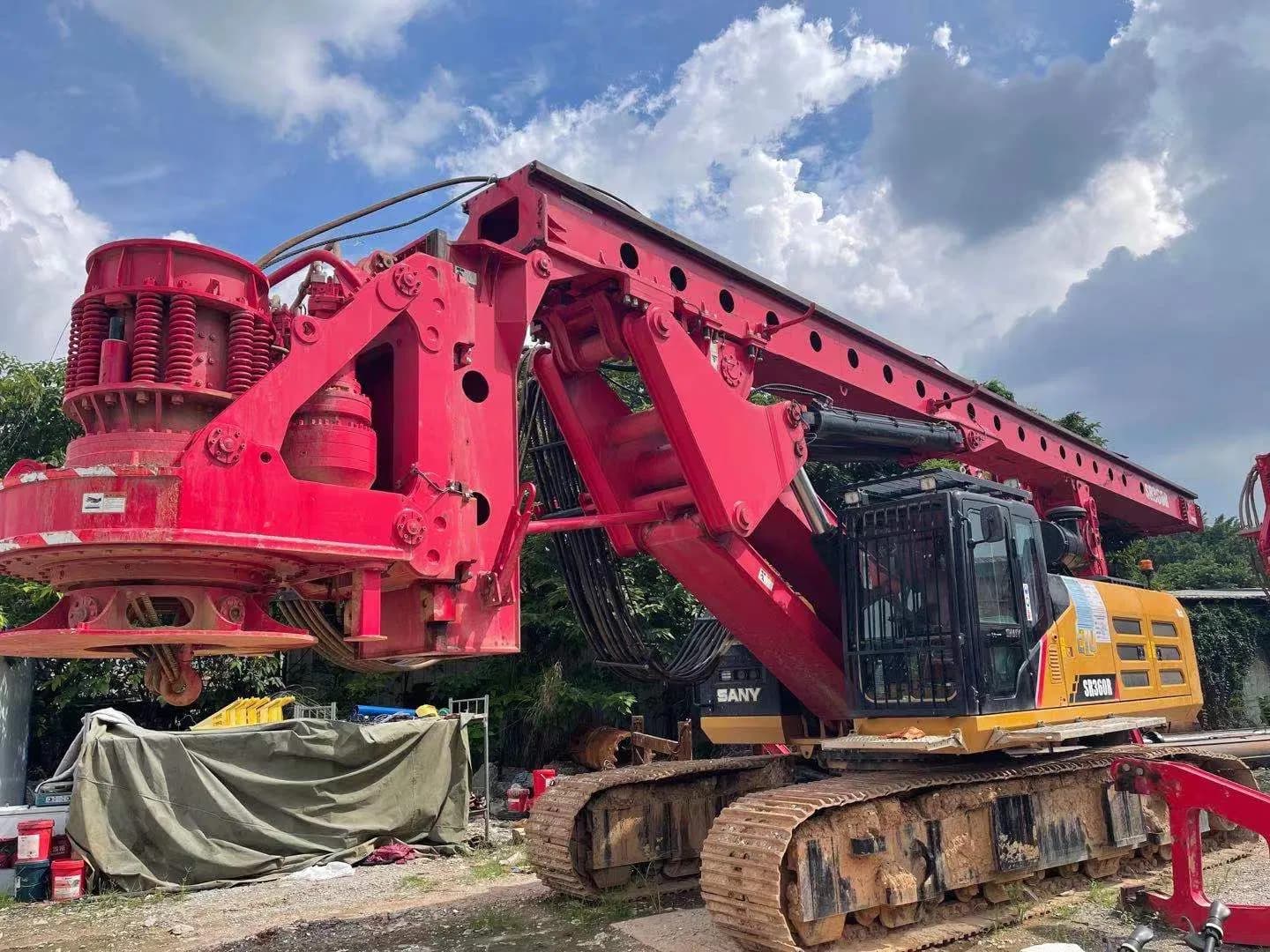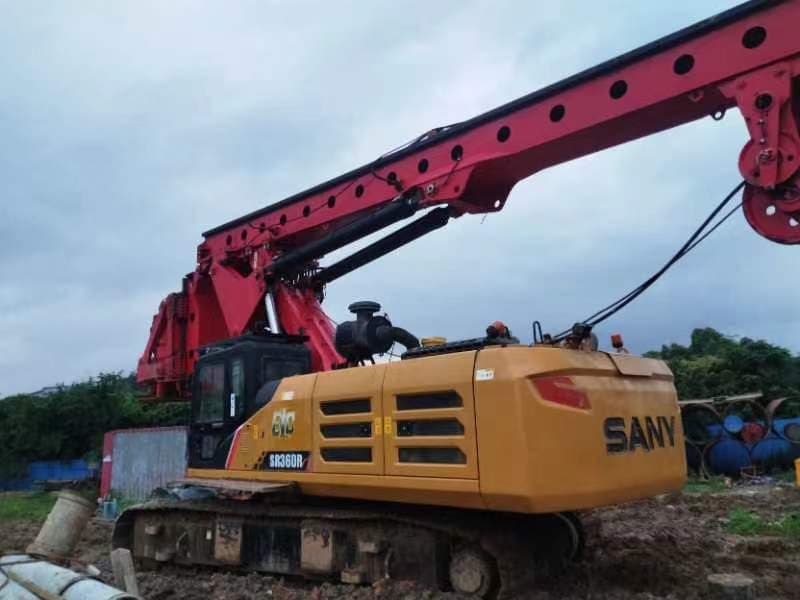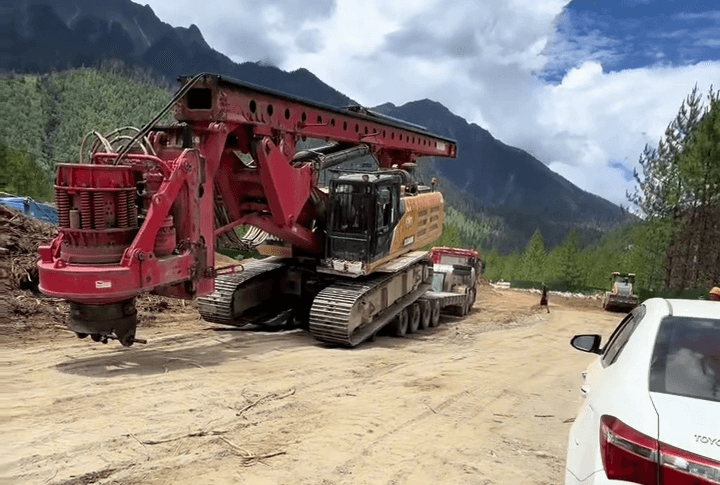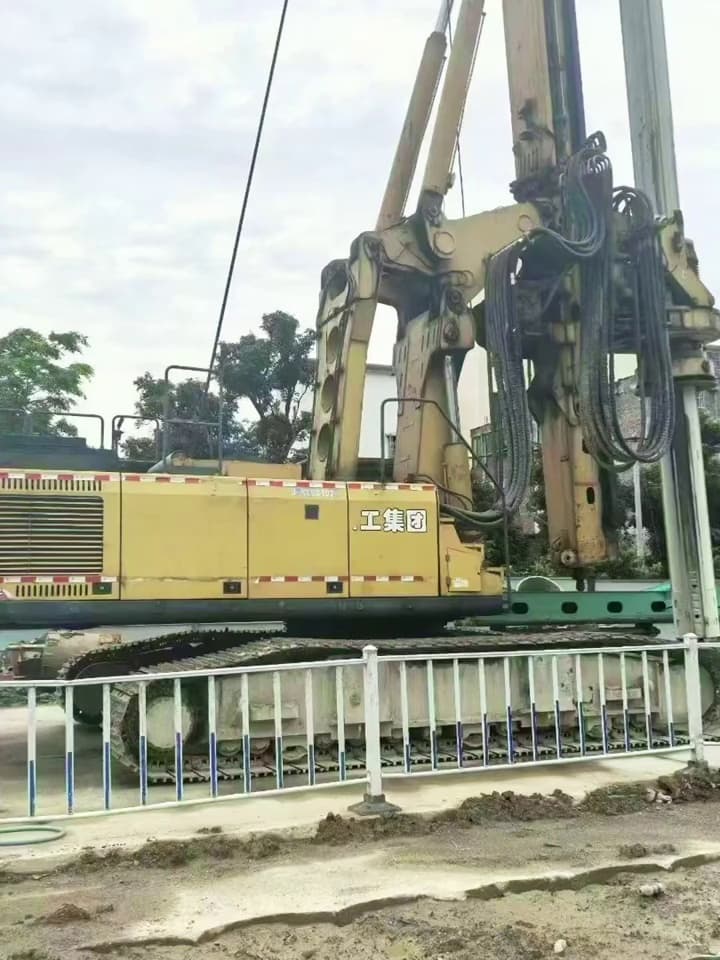
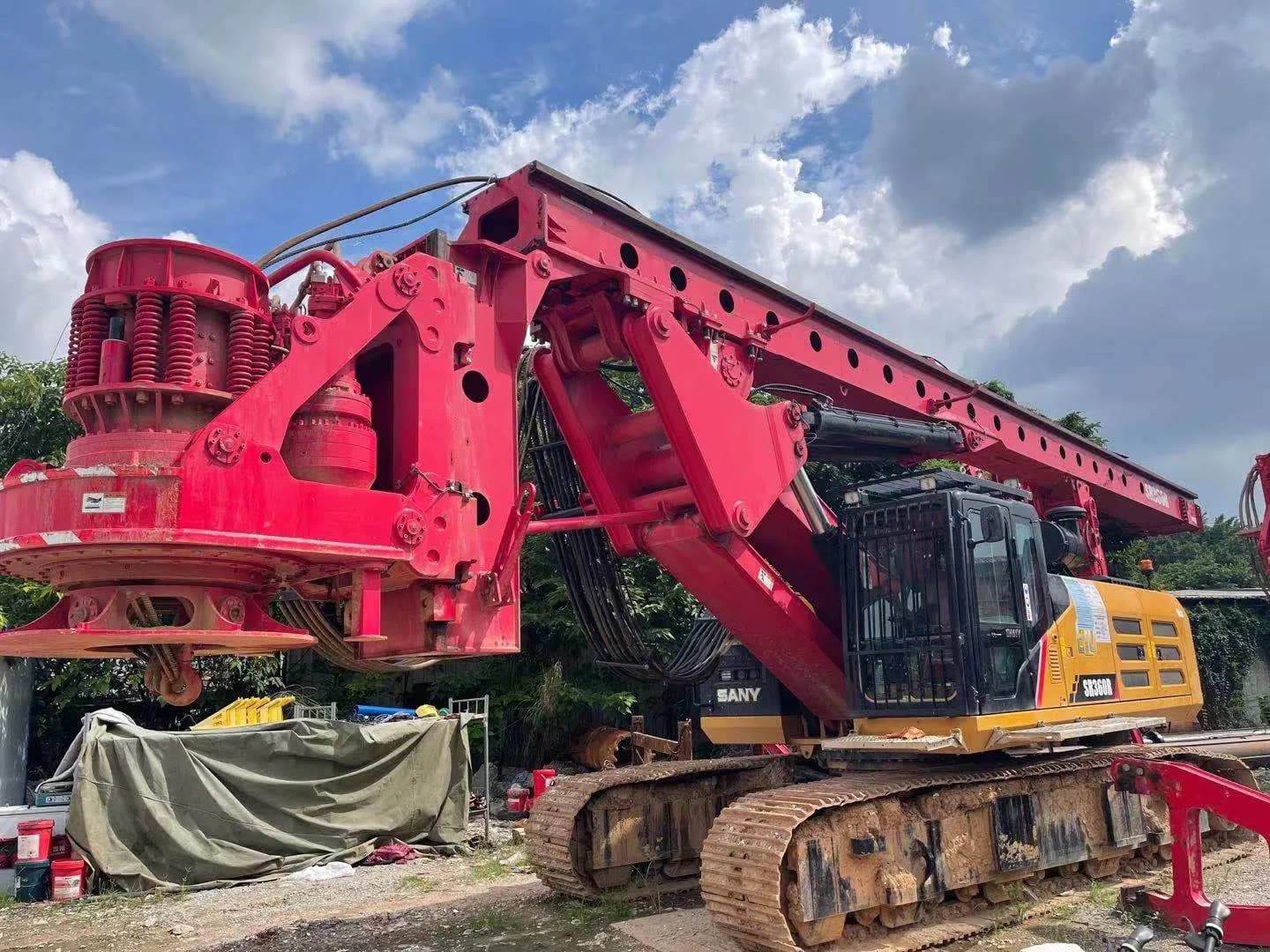
Confirm which SR360R you are buying
SR360R is a model series found in different years and markets. An archived SANY document for a SR360R C10 configuration lists 360 kN·m maximum rotary-head torque, maximum 2,500 mm pile diameter, and the different maximum depths of friction and interlocking Kelly bars. Current SANY H10 products also use the SR360R name. These references are useful, but the nameplate and configuration of the used machine determine the purchase.
Request the serial number, evidence of the year of manufacture, engine nameplate, emissions label, controller version, crowd system, rotary head details and rotary drilling Kelly bar specifications. If the seller cannot provide the machine's original data sheet, record that gap and verify the key dimensions directly.
Match the drill rig to the foundation design
Please provide the pile diameter, normal depth and maximum depth, soil and rock sequence, groundwater, casing plan, tool type and work platform constraints. The maximum values in the sample should not be treated as normal working targets. Allow a practical margin for the actual geological conditions, tool weight, rotary-piling drill-rod configuration and machine condition.
Buyers also need to be clear about production expectations. Deep work in soft soil and shorter hard-rock casing work put stress on different components. The same SR360R may suit one project but be a poor commercial choice for another, even when both bore sizes appear to fall within the published application range.
Include the Kelly bar configuration separately in the quote
Confirm the friction or interlocking type, outer diameter, number of sections, length, manufacturer and compatibility. Qualified personnel should measure wear on the guide strips and locking areas, inspect welds and dents, and extend and retract the Kelly bar to check for smooth movement, in accordance with the equipment manual and when conditions are safe and the equipment permits it. Confirm the theoretical and usable depths against the tools supplied.
If multiple rotary drilling Kelly bars are supplied, quote them separately and state which one is shipped with the machine. Worn bars can delay commissioning; mismatched bars may prevent the rig from completing the work quoted. Photograph the markings and include the bar identification in the sales contract and packing list.
Hours are evidence to verify, not a condition grade
Record the hour-meter display, controller information and nameplate in one continuous video. Compare the readings with repair records, service labels, engine condition, pin and bushing wear, track wear, cab wear and the winch wire-rope history. A low reading that contradicts the machine's actual condition requires an explanation, while a machine with higher hours but verifiable repair records may still be the better choice.
Ask which major components have been replaced or overhauled, and at what recorded hour count this was done. Do not reduce the decision to total hours. The current condition of the engine, pumps, rotary head, winch, structure and drill rods determines the first repair budget.
Operating each high-cost system
Qualified personnel should carry out the inspection in accordance with the manual for the specific machine and site safety requirements, when conditions are safe and the equipment permits it. The inspection can begin with the machine cold, with relevant performance checked once it reaches normal operating temperature. Depending on the machine’s actual configuration and the manual’s permissions, check travel, track extension and retraction, mast raising, leveling, the rotary drive, the crowd cylinder or winch, the main and auxiliary winches, and available automatic functions. Record alarms, pressure behavior, pump noise, exhaust and leaks before and after testing.
- Check the alignment of the mast and boom, pin clearance, weld repairs and cylinder mounts
- Check the rotary head for leaks, play, bearing noise and gearbox oil traces
- Have qualified personnel test the main winch brake’s holding performance when the manual permits and conditions are safe, and inspect the wire rope, drum and sheaves
- Check hydraulic oil condition, filters, temperature and cylinder drift
- Check the track frame, track rollers, idler wheels, drive sprockets, track shoes and track widening devices
Why an SR360R Quote Needs a Clear Scope
A usable quote should state the year claimed, the hours claimed, the configuration, the condition, the repair history, the rotary drilling Kelly bar and tooling, the spare parts included, the level of inspection, and the export readiness. Compare the included Kelly bar, inspection scope and repair work item by item.
Add transport and commissioning costs. Confirm the disassembly method, component weights and dimensions, loading equipment, shipping, import fees, destination crane, assembly labor, oil, filters, and possible first-round repairs. Compare the total cost of getting each machine to site and ready to work.
Include project and supporting requirements when requesting a quote
Please specify the project country, port, pile diameter and depth, geology, rotary drilling Kelly bar type, casing method, budget, delivery date, and the tools you need. State whether the machine must be original, repaired, or fully ready for work, and what inspection evidence must be provided before paying a deposit.
GLOBMACH can compare the current SR360R equipment and similar specifications against this requirement, then return gaps and an inspection plan for the specific stock item. Stock availability changes, so the exact equipment and stock ID must be attached to every photo, video, quotation and contract document.