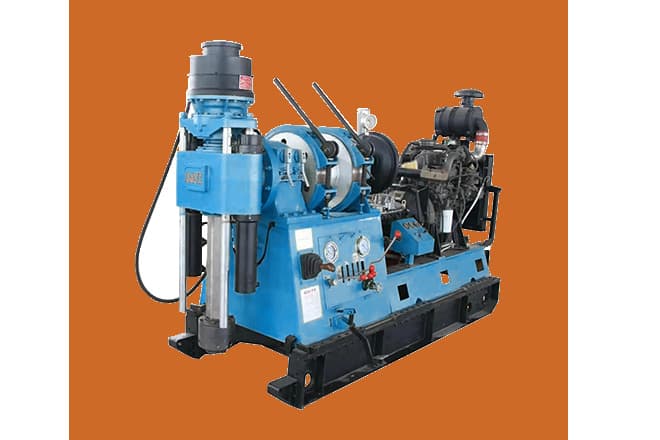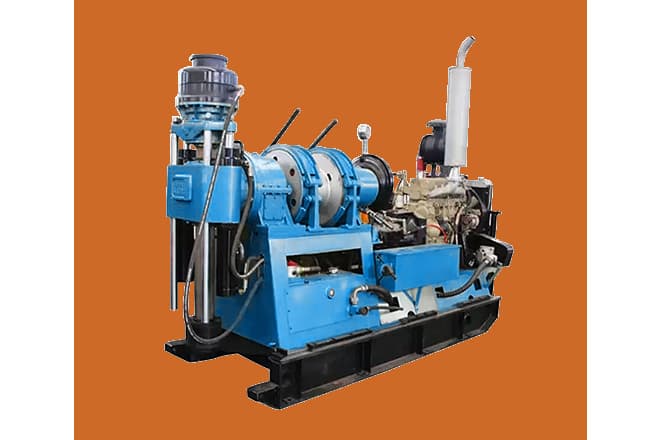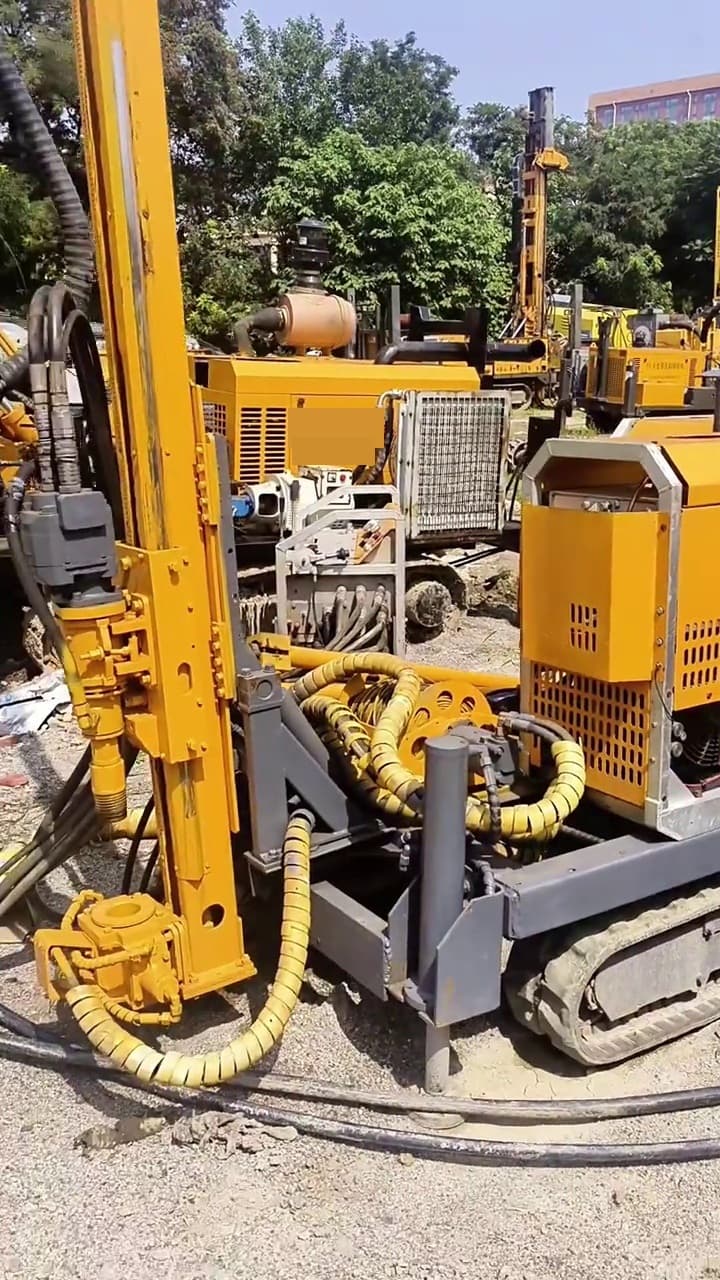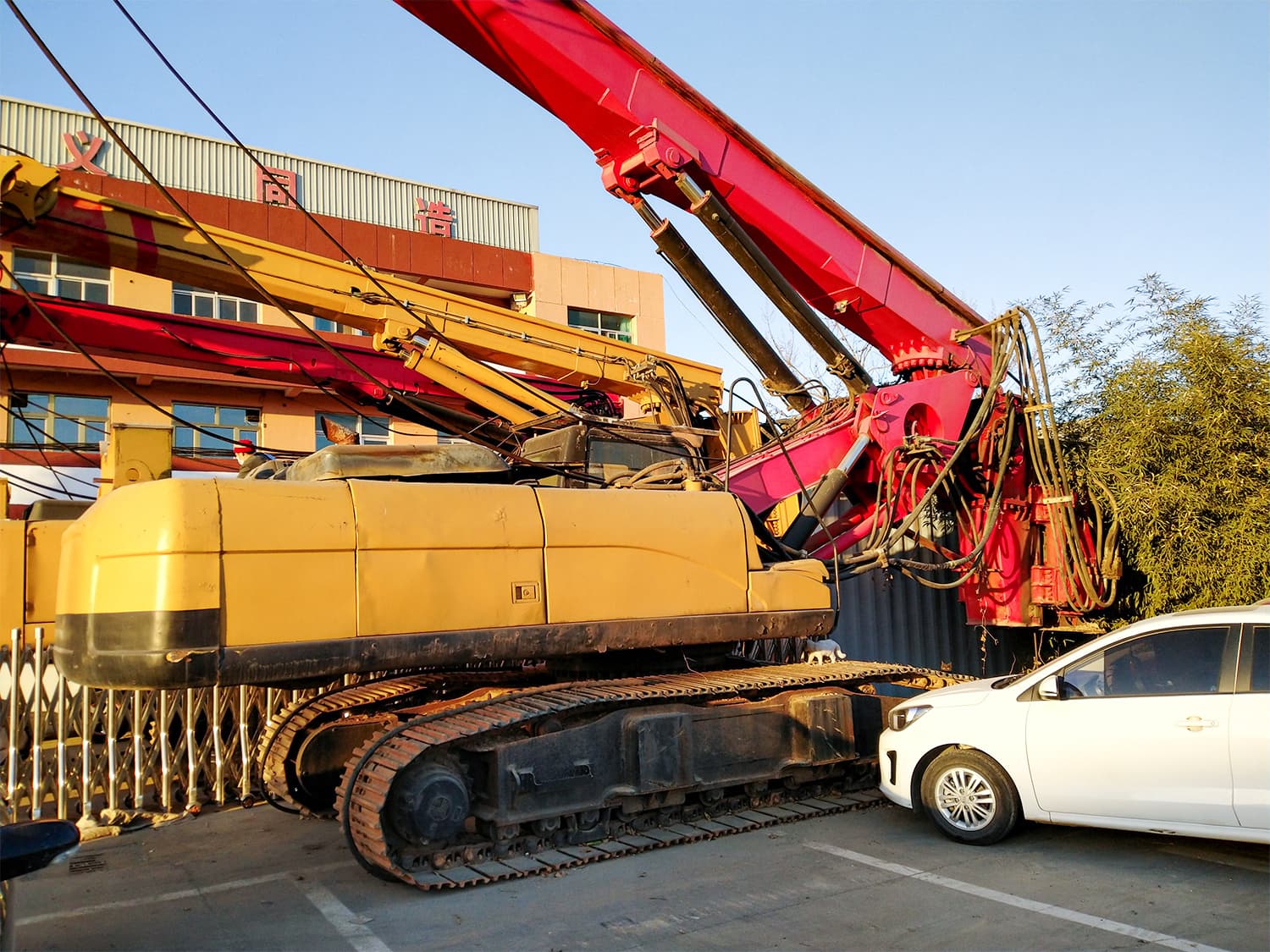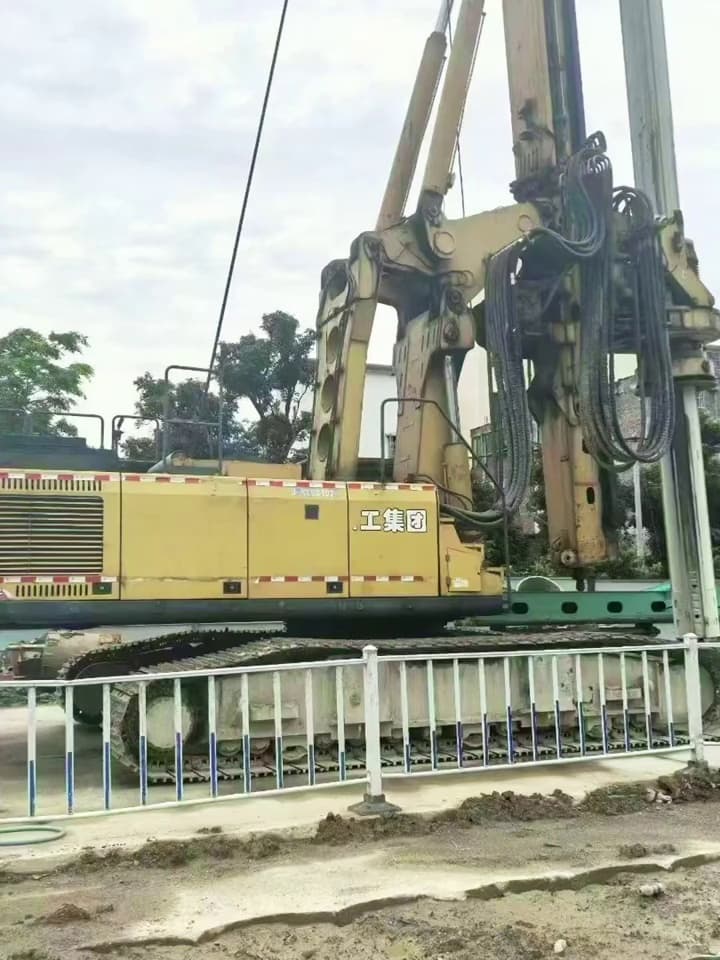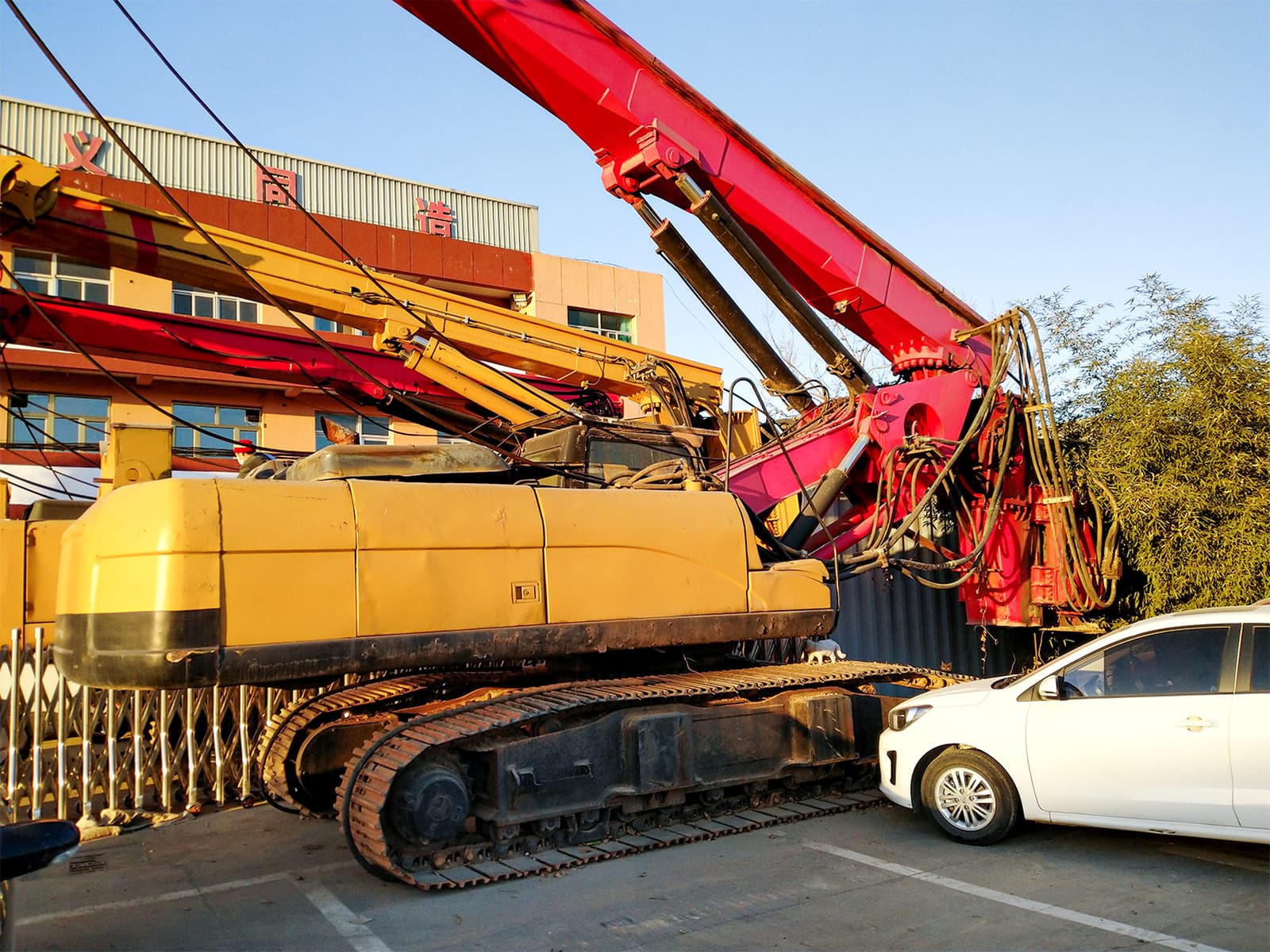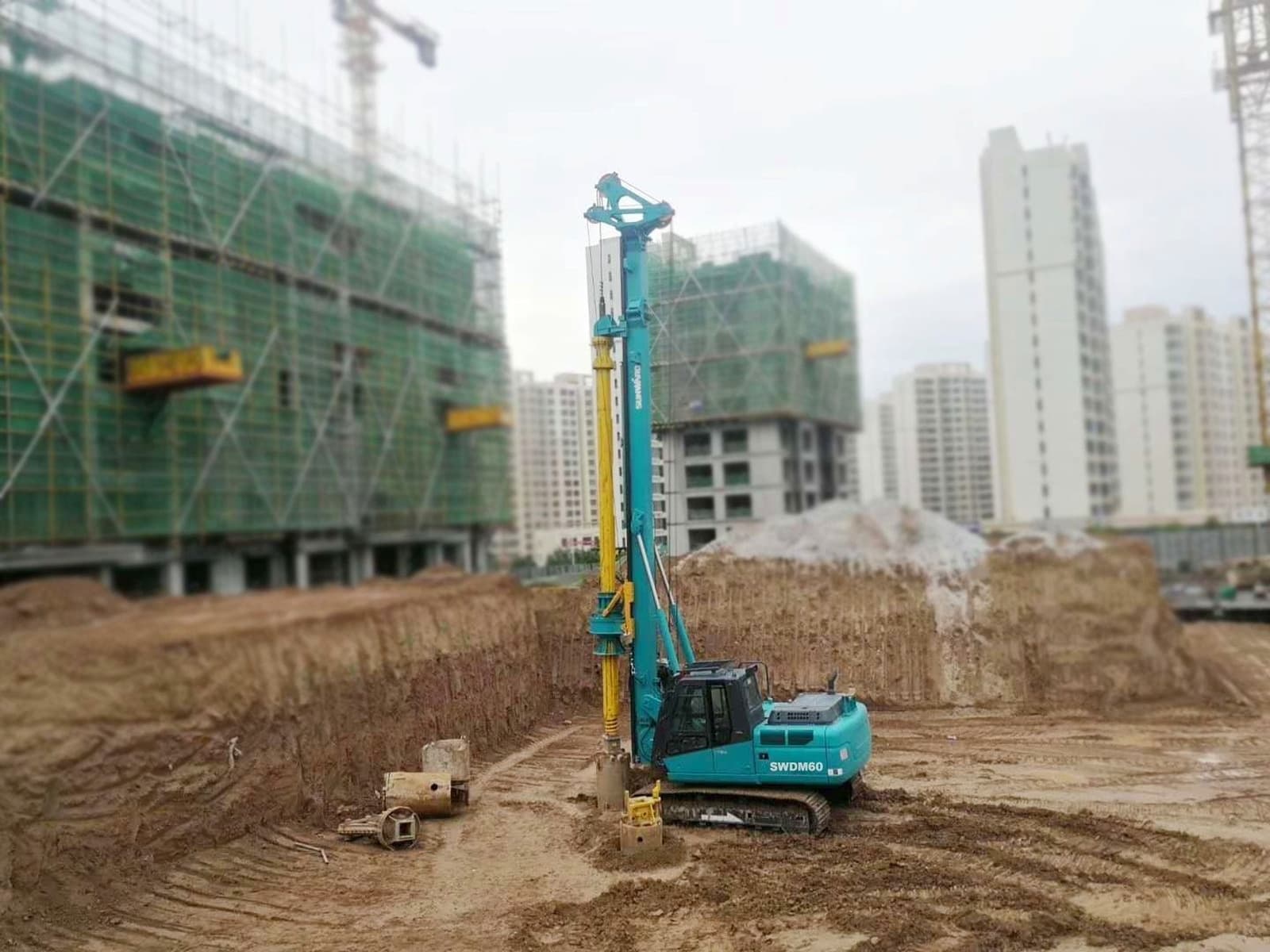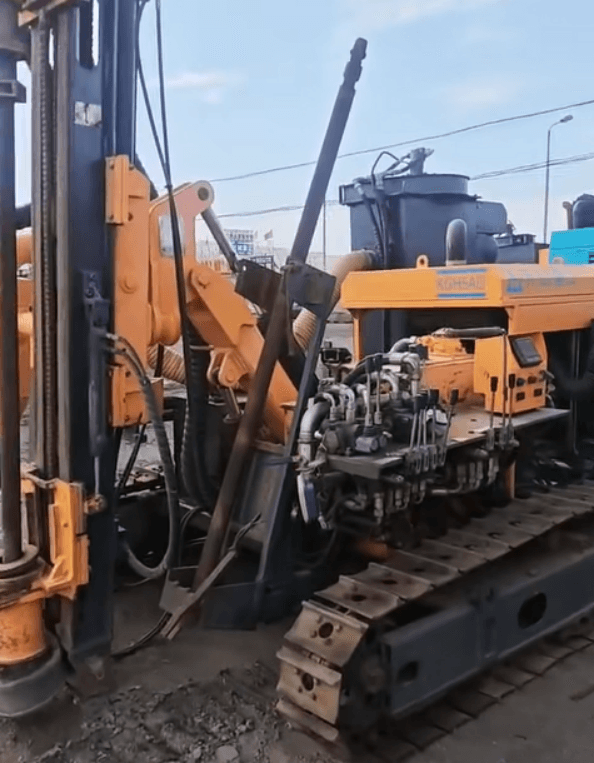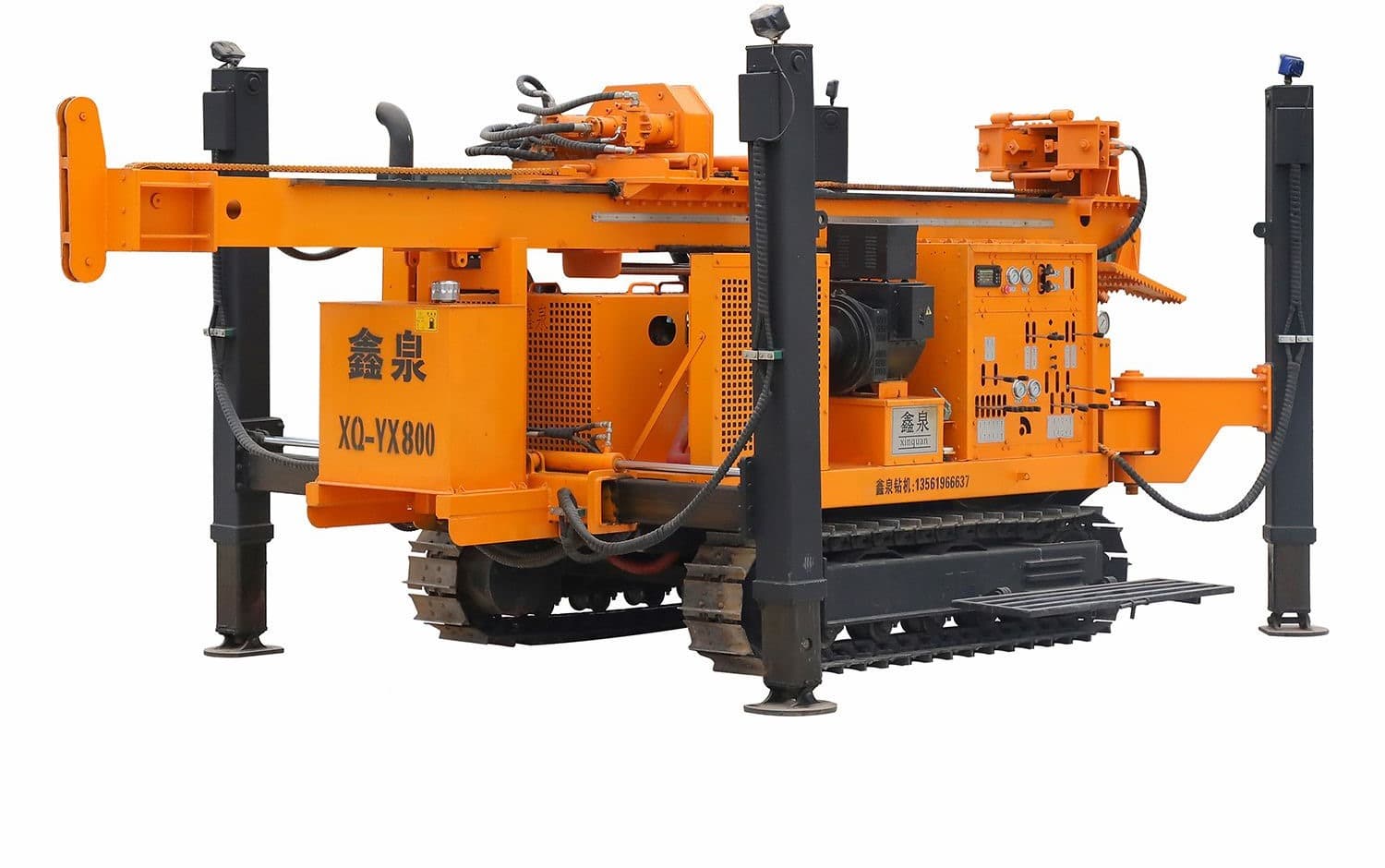
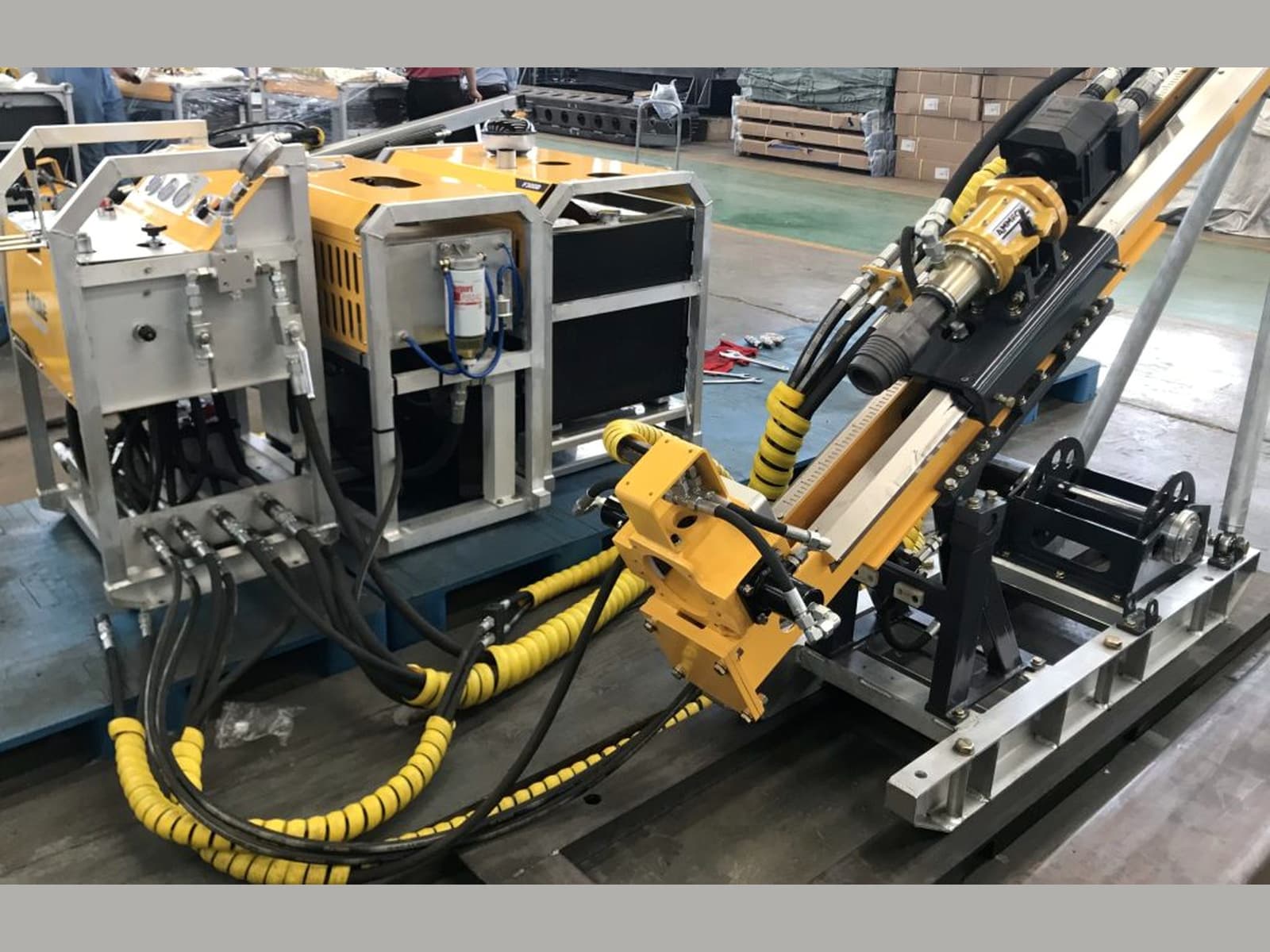
The product is the core, not the paint on the rig
An exploration rig can start, rotate and still be a poor purchase. Your client pays for dependable metres, usable core and geological information. If the machine damages the sample, cannot control the hole or spends its time waiting for a hydraulic part, a clean exterior will not save the programme.
We therefore begin with the investigation: target depth, core diameter and wireline standard, formation, broken zones, hole angle, elevation, access and expected shift pattern. Then we ask what complete system will produce that core. The answer may include the rig, drill string, core barrels, bits, overshot, mud pump, mast or tower and support tools. Buying the main unit alone can leave you with a handsome, incomplete project.
Do not buy a depth label without the drilling basis
The market uses model numbers such as 400, 600, 800, 1000, 1500, 1600, 1800 and 2000, and buyers understandably repeat them as depth classes. We do not assume the number equals guaranteed depth in your formation or with your core size. The seller must state the drilling standard, rod and core configuration behind the claim.
For example, one QYD-1600 promotion claimed 1,600 metres with NTW, a 147 kW six-cylinder Weichai engine and 3,000 N.m of torque. A different 2,000-model promotion described a 264 kW Cummins engine and a 345-litre-flow oil pump. Those are creator claims about promoted configurations. We do not transfer them to a used machine because the decal looks similar. Plates and the actual build must be shown.
Follow the load path through the power head and feed system
On a full-hydraulic wireline core rig, we inspect the components that turn, feed, hold and recover the string. That means the power head, gearbox or speed ranges, feed cylinders, chains or guides, clamps, breakout arrangement, mast, winch and hydraulic system. We look for play, uneven motion, leakage, hose condition, overheating and repairs around loaded structural areas.
A market video for an 1,100 model claimed a three-speed power head, up to 1,700 rpm, 2,500 N.m and a 3.5-metre mast accepting a 3-metre rod. Useful questions come from that description: Do all ranges engage? Is rotation stable? Can the clamp and breakout repeat the cycle hot? We ask the seller to demonstrate the exact unit instead of copying the video numbers into your requirement.
Wireline tools and the mud system can decide whether the bargain works
A complete exploration package is worth more than a bare rig only when the included tools are compatible and serviceable. One real listing in Kaili offered a Huanghai XY-44A package with a BW250 mud pump, many rods, a triangular derrick and assorted tools, saying it was still working. That scope is much more informative than 'rig for sale,' but every rod, tool and pump still needs identification and inspection.
We count and measure the rods, identify threads and standards, inspect visible wear, and list core barrels, inner tubes, overshots, bits and handling tools. The mud pump gets its own test for pressure, flow behaviour and leakage. If you already use a drilling standard locally, say so before we shortlist machines. Compatibility can be more valuable than a small saving on the main rig.
- Rod and casing standards, lengths, quantities and visible condition
- Core barrels, inner tubes, overshot and recovery tools
- Bits and consumables suitable for the target formation
- Mud pump identity, hoses, fittings and operating test
- Mast, tower, winches and loading aids included in the sale
Hours should agree with wear, service records and the job history
Based on real second-hand market material, a steel-track 400 full-hydraulic wireline rig was advertised as built in August 2023 with 1,430 stated hours. The seller called it lightly used and highlighted the paint and components. We would use that description to prepare an inspection, never as the inspection result.
We request one continuous current video from the complete rig to serial plate, engine plate and hour display. Then we compare the meter with controls, seat, track gear, clamps, chuck, feed rails, pins, hoses and tool wear. Adjusted hours are a real buyer fear. No single scratch proves anything, but a low-hour story and heavy system-wide wear need documentary support.
Cold, hot and cycling: our remote test has three states
Cold, we observe starting, smoke, warnings, noise and early leaks. The seller shows today's date or an agreed signal so old footage cannot be recycled. We want all four sides, undercarriage, engine bay and repairs before the oil and machine are warm.
Hot, we cycle rotation through available ranges, feed and retract, clamps, rod handling, mast movement, winches and crawler travel. We watch temperatures and pressure indications, listen for changing sounds and inspect again for leakage. Where practical, we want real drilling and core recovery. A rig turning an unloaded chuck proves only that the chuck turns.
Cycling matters because intermittent controls, weak hydraulics and heat-related behaviour may not appear in one clean movement. Remote video still cannot catch everything; for a serious unit, an independent on-site inspection or controlled test is sensible. If the seller refuses a cold start or sustained operation, walking away is cheaper than shipping the argument overseas.
Broken ground and deep holes punish vague maintenance stories
The source market repeatedly talks about collapse, sticking, broken rods, poor efficiency and lost core in deep or fractured formations. Sellers promote automatic rod handling, wireline recovery and hydraulic locks as solutions. Those features can help, but we verify their operation. A safety or locking claim is not something we accept from a caption.
Ask for repair history by component: engine, pump, valves, motors, gearbox, clamps, mast and electrical controls. 'Fully refurbished' should come with a work list, replaced parts and before-and-after evidence. We also check whether the operator and local technicians can support the chosen hydraulic and control system. A sophisticated machine with no service path can turn a minor fault into a long shutdown.
Price questions need one serial number and one inclusion list
Buyers in the material repeatedly ask for prices on 400, Yichuang 600, 800, 1000 and 1600 models. Sellers answer with phrases such as 'nice price,' 'original condition' and 'warranty.' Nice price basically means no price. Warranty means little until the provider, duration, territory, covered parts and remedy are written down.
One seller offered used rigs at 'second-hand price, new-machine quality' and said it provided training and maintenance. Another case described preparation for an Africa gold project, including service work and tool additions. These are useful market signals: training, tooling and export preparation matter. We confirm the exact scope and price each line separately so you can see what you are actually paying for.
We also separate refurbishment from warranty. New hoses, filters or paint may be worthwhile preparation, but they do not make an old pump new or prove a gearbox has been inspected. We ask for the work order, replaced-part list and the condition that triggers warranty service. If the rig will work far from the seller, a vague promise is worth less than shipped spares and a technician who answers.
GLOBMACH keeps the machine, tools and export promise in one file
Before payment, the contract identifies model, serial, stated year and hours, configuration, repairs, rods, tools, pump, test evidence and remedy for material mismatch. For a first deal, we favour split payment and a method with recourse. We cross-check manufacturer and engine identifiers where possible and review ownership evidence instead of relying on a seller's 'clear title' line.
The landed plan names loading and destination ports, FOB, CFR or CIF terms, container or flat-rack method, cleaning or quarantine needs and responsibility for port charges, customs and inland delivery. Invoice, packing list, bill of lading and certificate of origin are prepared against destination requirements. We also build a starter parts list with real part numbers and lead times.
At GLOBMACH, we judge a used exploration rig by the core programme it must support. We expose gaps, make the seller demonstrate what words cannot prove, and separate main-rig price from tooling, repairs, spares and freight. You know where the money goes, what evidence supports the decision and which risks remain yours. That is how a used rig becomes an operating asset rather than a stranded collection of hydraulic parts.