Why the undercarriage decides the real price of a used drilling rig
On a used crawler drilling rig, fresh paint and a clean yard can hide the most expensive repair you will face. Track chains, rollers, sprockets, idlers, final drives and the telescopic beams that support the mast are all wear items. A worn undercarriage can turn a bargain into a parked asset, so the inspection you do before negotiating is what separates a good purchase from a costly mistake. This guide is for crawler-mounted rigs; wheeled or truck-mounted rigs follow a different inspection path.
The undercarriage is a system, not a single part. A worn sprocket will quickly destroy a new chain, and a seized roller creates flat spots that make the track walk. On a drilling rig, the undercarriage also carries the weight of the mast and all drilling equipment, so wear accelerates with every hour of travel on hard ground. The inspection protocol below converts visible wear into a parts-and-labor scope you can use to adjust the asking price.
What the listing shows and what it hides
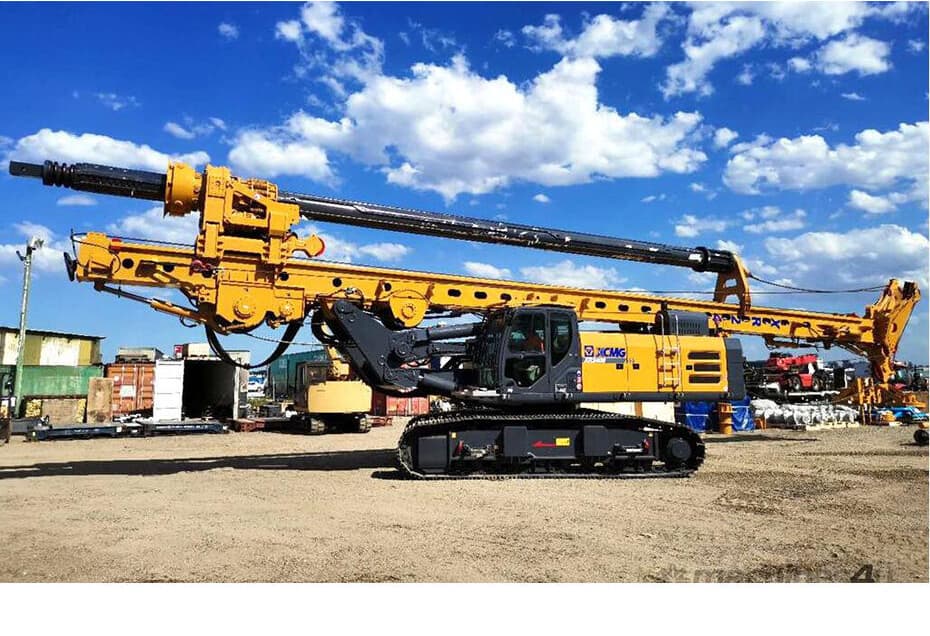
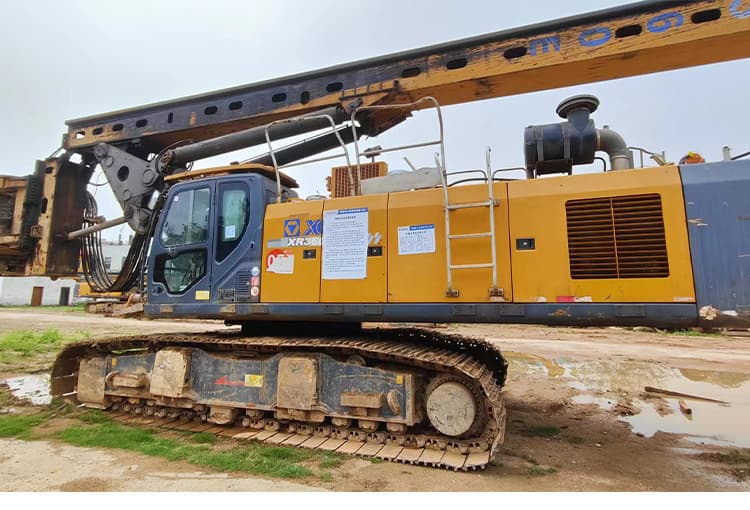
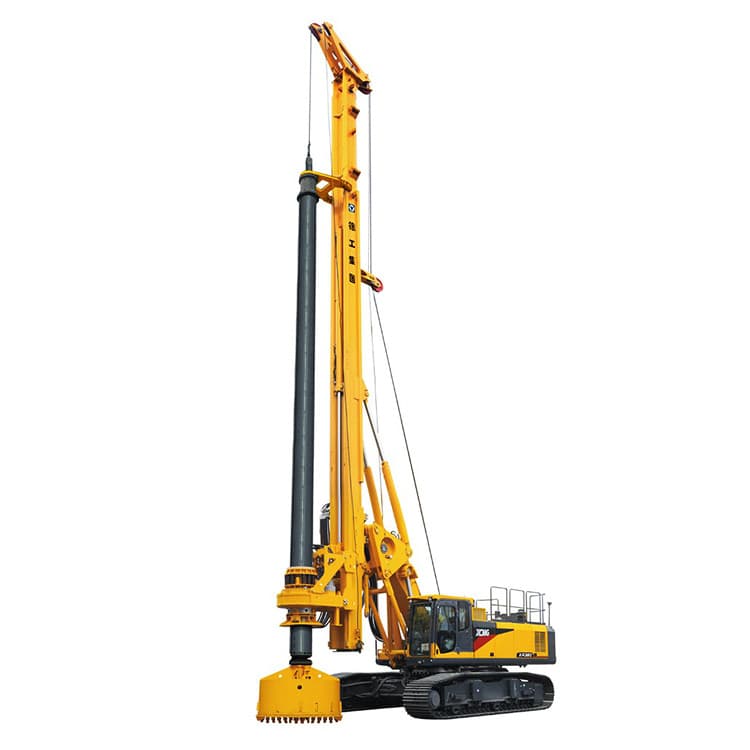
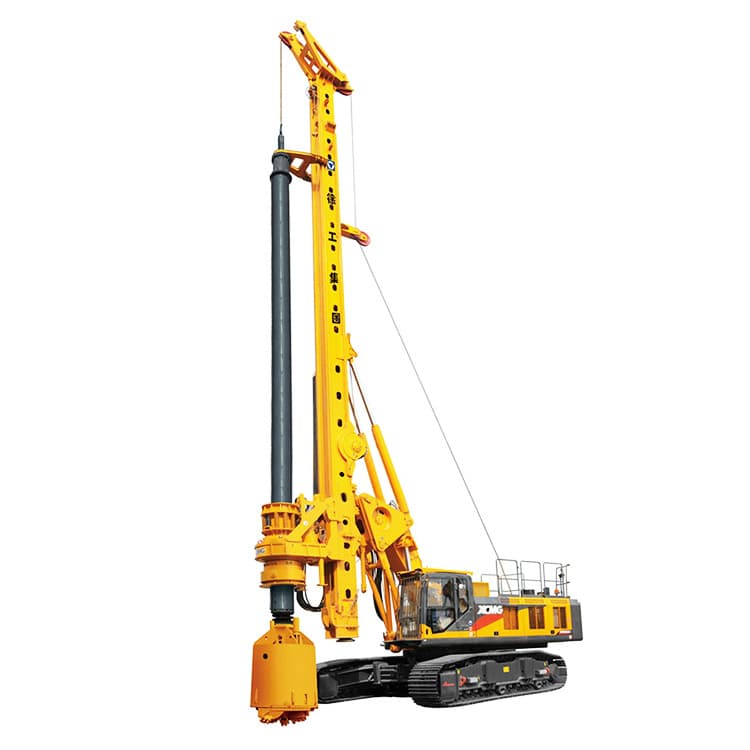
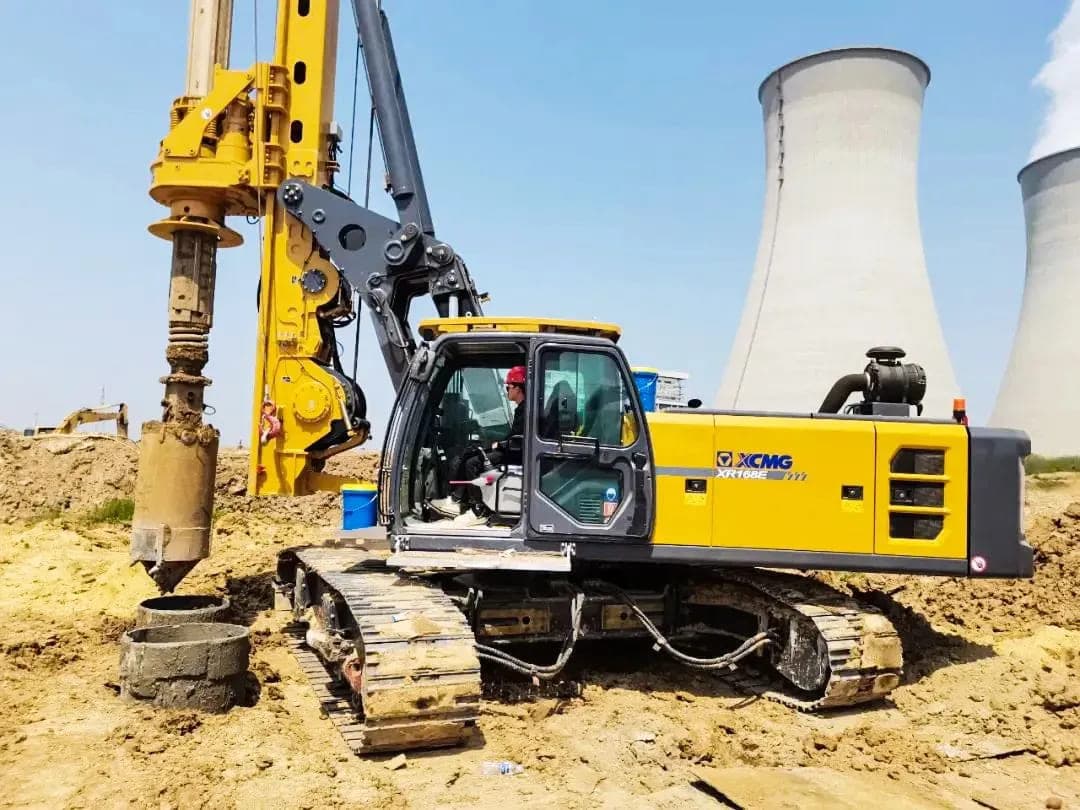
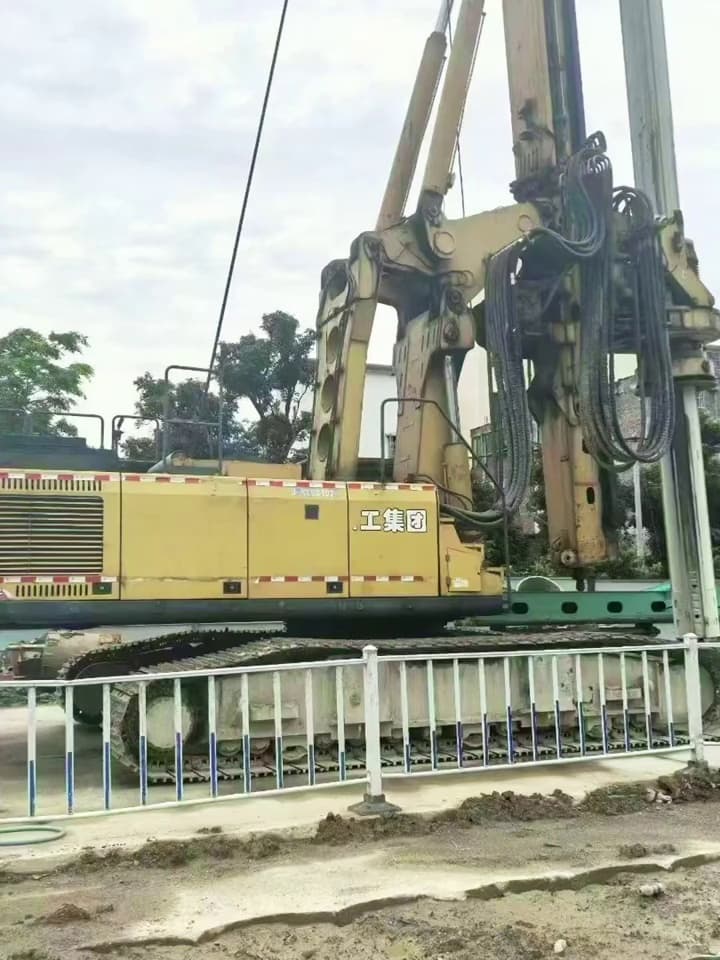
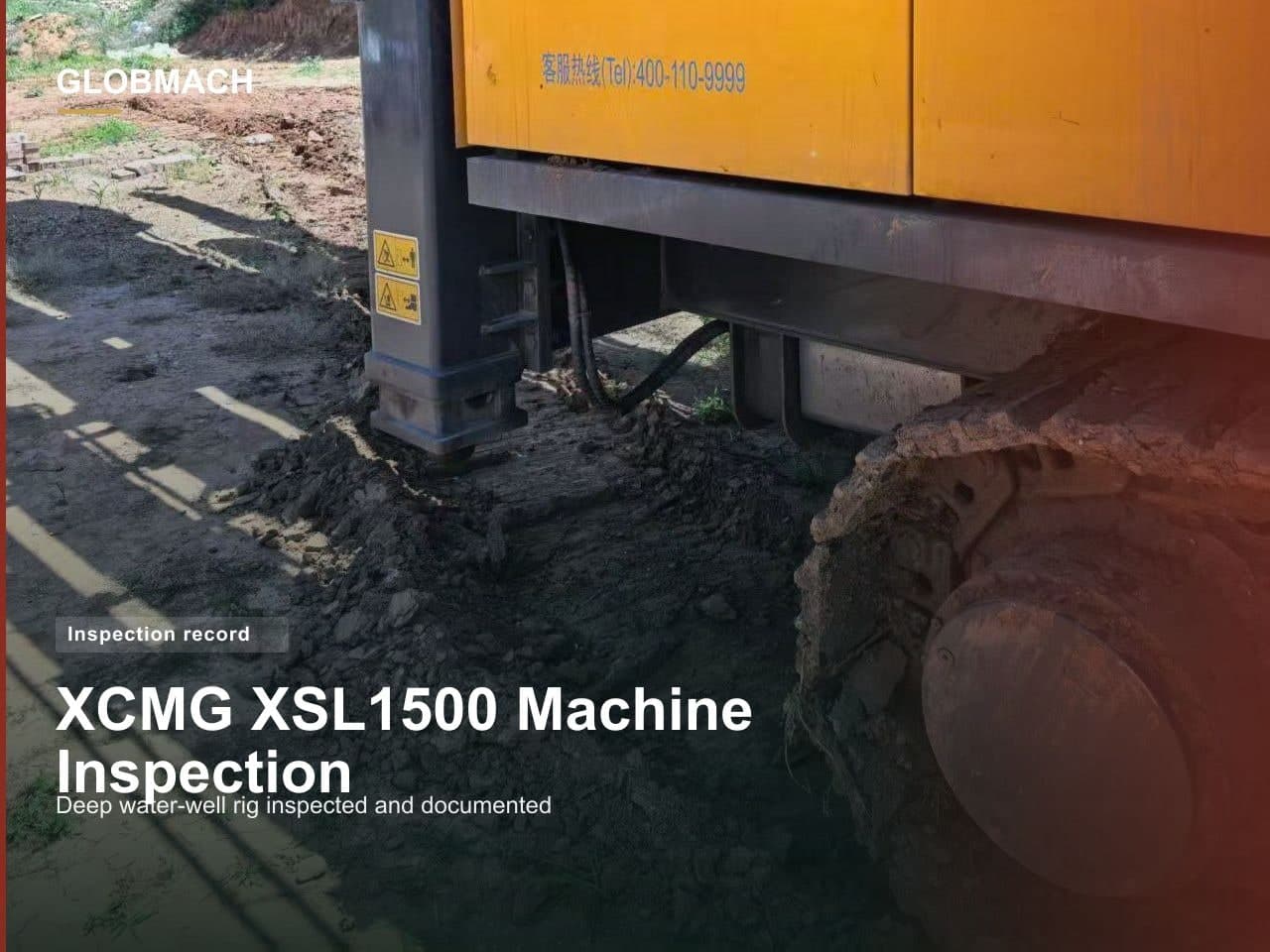
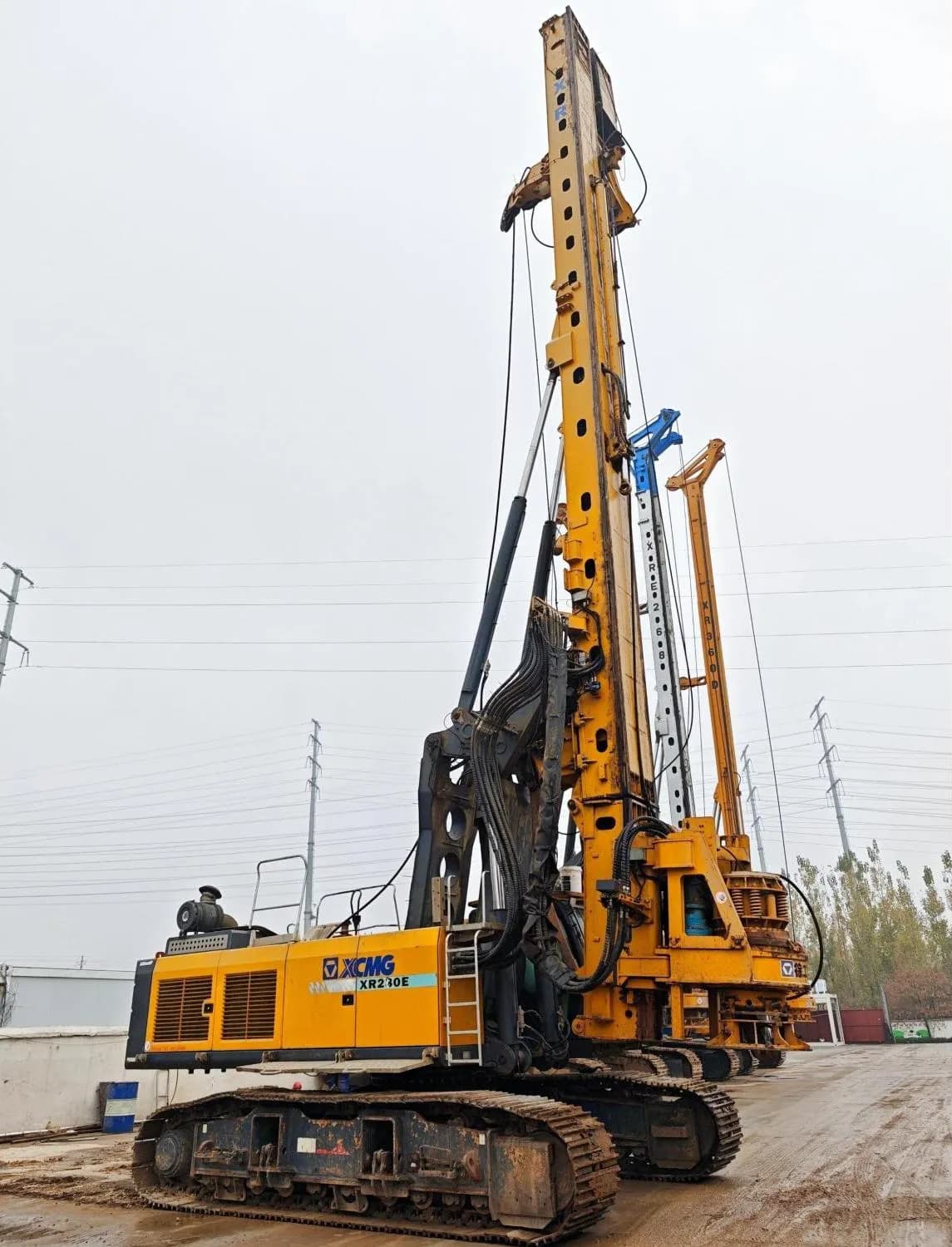
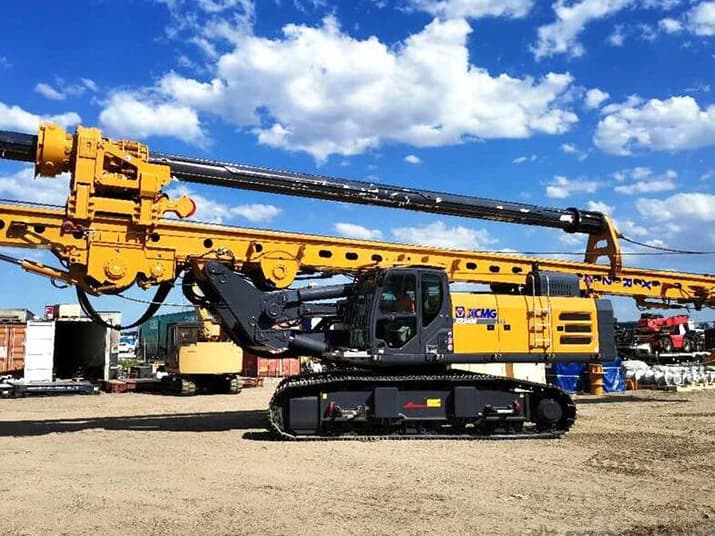
GLOBMACH equipment pages include crawler views, but those images are taken for marketing. They can show the overall stance and the clean side of the machine. A used drilling rig undercarriage inspection starts with those images but does not end there. The seller’s photos may not reveal the inside rail, the lower rollers tucked behind the track frame, or a cracked weld on the telescopic beam. You must ask for close-ups with the machine in a service position.
Source videos, if available, can help you see movement, but a video of the rig travelling across flat ground will not expose a slow leak from the final drive or a roller that no longer turns. Use the listing to compare the stated shoe width and crawler configuration against the manufacturer’s specification. Then move to the inspection protocol described below.
Inspect both rails: a side-by-side routine
Never inspect only the cleaner track. Uneven side-to-side wear is a red flag. The left and right undercarriages on a used drilling rig work under different loads because of the boom and drifter placement. Compare shoe widths, link condition, roller rotation and sprocket profiles on both sides. Ask the seller to position the rig so you can see the inside and outside rails at multiple points.
Use a wear gauge or caliper to measure link and bushing stretch at repeatable points. Measure the sprocket tooth thickness and the roller shell diameter. Record these numbers in a simple table so you can compare them against the manufacturer’s replacement limits. A visual check alone is not enough; numbers are what you will use to negotiate.
Rollers, sprockets and idlers: small parts, big invoices
A seized lower roller may look acceptable externally while creating heat and abnormal chain wear. With the rig secured and the inspection performed by qualified personnel, observe roller rotation during controlled crawler movement and check for seal leakage, flat spots or unusual temperature patterns. Record each suspect roller as an item for specialist confirmation and parts pricing rather than predicting a remaining life from appearance alone.
Sprocket teeth should be checked for hooking or sharpening. A hooked sprocket is a sign of long service and will need replacement. The idler and recoil system must be inspected for cracks, wear on the guide, and proper tension. Push the track with a bar to assess the sag. If the track is too loose, it can throw; too tight, it can create excessive load on the final drive. Record the tension and the response of the recoil spring.
Final drives: the drivetrain's silent negotiation point
The final drives transmit torque to the crawler. External leakage is visible evidence, but internal wear can exist without a leak. Ask a qualified operator to run the rig forward, reverse and through controlled turns on a suitable level area while the inspector records tracking, response and unusual reducer noise. Any holding or brake test must follow the exact model manual and the site's safety plan.
Check accessible breathers, plugs and fluid condition only under the service procedure for the exact drive. An oil sample taken by a technician can be sent for analysis when the seller permits it; do not open a pressurized or unsupported assembly for a sales inspection. If operating evidence and service access are refused, preserve the uncertainty as a priced risk or specialist hold point.
Telescopic crawler beams: where structural repairs hide
Many modern drilling rigs have a telescopic undercarriage that extends or retracts to adjust transport width or stability. This extension mechanism is a structural system with sliding beams, wear pads, locking pins and hydraulic cylinders. A used drilling rig undercarriage inspection must include an activation test. Extend and retract the crawler fully, if the fit is available. Watch for binding, uneven movement, or hydraulic leaks from the cylinders.
Look for disclosed weld repairs, distortion, paint discontinuities and cracking around the crawler beams. Do not scrape or grind a seller's machine without written permission and a qualified inspection plan. If a repair is suspected, request its history and escalate to an appropriate non-destructive or structural inspection before accepting the beam for transport or work.
Converting measured wear into a parts-and-labor scope
You have gathered measurements and observations. Now convert them into money. Contact a local parts supplier for the cost of a track chain, shoes, rollers, idlers, sprockets and a final drive rebuild. Add the labor hours from a service manual or a crane and heavy equipment shop. This total is your “undercarriage repair scope.” Subtract a reasonable portion of that scope from the asking price.
Compare measured wear with the replacement limits and measurement method published for the exact undercarriage; there is no universal percentage that applies across brands and components. Convert confirmed out-of-limit items into a parts-and-labor scope. If the crawler structure, extension system or final-drive behavior cannot be verified safely, keep the issue as an inspection hold point rather than guessing at a discount.
Questions that move the seller from claims to evidence
Do not accept a statement that “the undercarriage is good.” Ask specific questions: What is the original shoe width on this unit versus a factory specification? Have any links been replaced individually? When were the rollers last greased? Is there any record of chain stretch measurements? The seller’s answers will often reveal how much documentation exists.
Cross-check the answers with what you see in the GLOBMACH listing. If the listing shows a narrow transport version and the seller claims it is a wide configuration, you have a conflict. Use the manufacturer’s official documentation to verify the crawler dimensions for the exact model. Ask for transport width data from the original brochure. This is a critical piece of information for shipping the rig.
Your decision rule before you request a quote
If the used drilling rig undercarriage inspection passes on both structure and final drive, but shows moderate wear on rollers and sprockets, factor the replacement cost into your total cost of ownership. If the measured wear is uneven and there is no repair history, request a lower price to cover the uncertainty. Never ignore a leaking final drive or a bent crawler frame.
Finally, provide the ground condition, expected travel distance, transport-width limit, local parts access and planned repair window. Those inputs help a technician judge whether the observed configuration and wear suit the duty. Send GLOBMACH the exact stock ID, measured findings and unresolved hold points so the reply can include stock-specific evidence and a comparable parts scope.