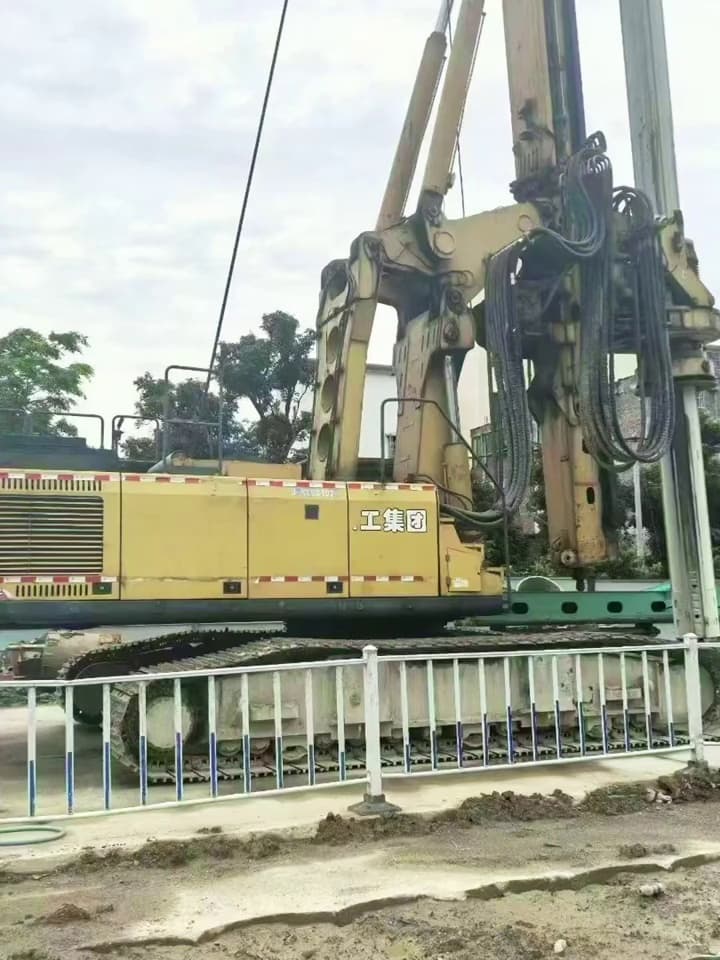
The Overheating Complaint: What a Photo Cannot Tell You
When a used drilling rig is advertised with a note about hydraulic overheating, the seller usually frames it as a minor issue: a blocked cooler, a tired fan, or a thermostat that needs replacing. A single dashboard photo or a short video clip of the rig running at low speed will not separate those causes. The same symptom can come from internal pump or motor leakage, a relief valve set too high, dragging brakes, or simply a tool package that demands more flow than the machine can reject as heat.
As a buyer, your job is to turn a vague complaint into a repeatable operating timeline. You need to know exactly what the machine was doing when the temperature rose, how long it took to climb, what the ambient temperature was, and what happened when the load was removed. That information is the foundation of every meaningful diagnosis and the only way to decide whether the overheating is a repair cost, a negotiation point, or a reason to walk away.
Why Generic Temperature Limits Mislead
A temperature number is meaningful only when it is tied to the exact machine, sensor location, alarm logic and operating condition. The acceptable continuous range and test procedure must come from the operation and maintenance information for that configuration. Do not import a threshold from another model or from general marketing material.
Do not assume that a temperature reading below a generic limit proves the system is healthy. Some rigs are designed to run hotter under certain loads, while others derate early to protect components. The only valid approach is to obtain the exact documentation for the stock number you are evaluating and use its specified test conditions. If the seller cannot provide that documentation, treat any temperature claim as unverified.