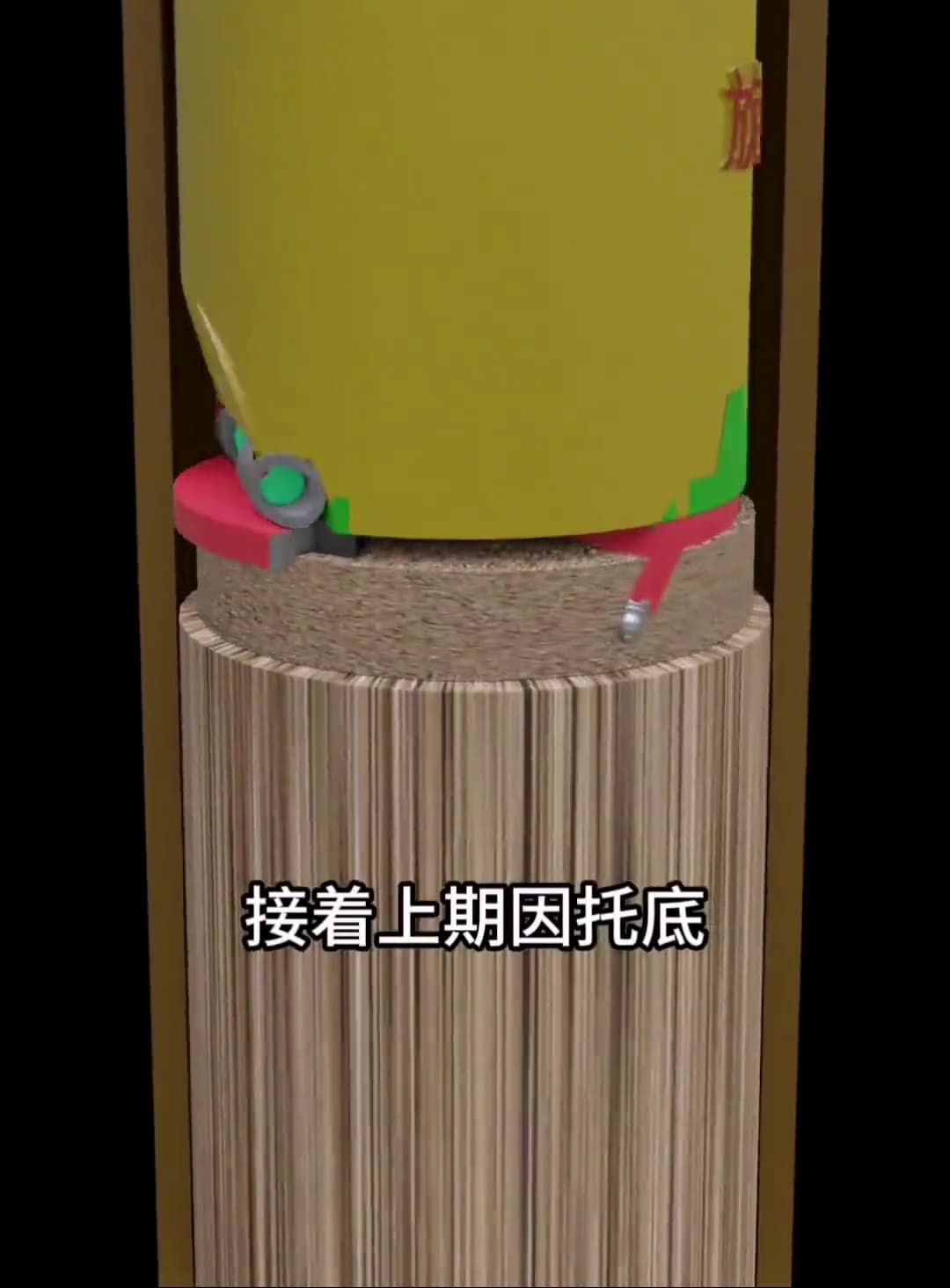
When a rotary bucket spins but stops advancing in sticky clay, more crowd force is often the wrong first move. Pull the tool and inspect the underside. If a dense clay pad covers the bottom plate, the teeth are no longer cutting fresh ground—the bucket is riding on its own spoil.
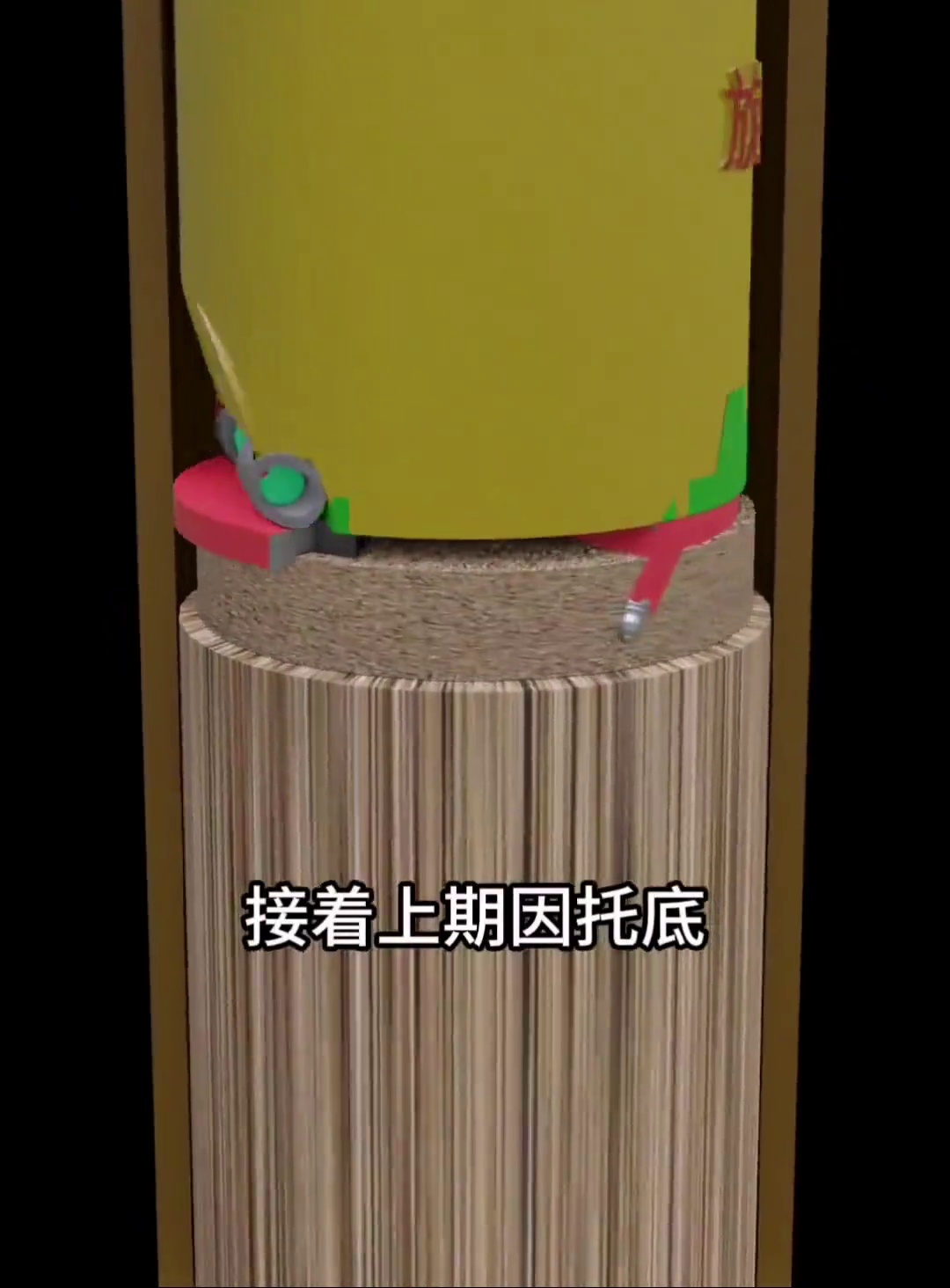
The warning sign is underneath the bucket: packed spoil can carry the tool above the cutting face.
The field video behind this guide follows that exact failure. It shows a double-bottom bucket caking over, compares more open tool arrangements and finishes with a controlled restart after the bore surface has become slick. The useful lesson is not that one special bucket solves every clay problem. It is that the rig, the cutting geometry and the way spoil moves through the tool must be judged together.
Used-rig buyer takeaway
If you are buying a rotary drilling rig for clay work, do not accept a carrier walk-around as proof of drilling performance. Ask the seller to show:
- the underside of each bucket immediately after a pass;
- the door fully open and fully closed;
- the teeth, holders, cutting plate and repair welds;
- the augers and buckets included in the sale, with diameters and connections;
- a continuous video of drilling, lifting and discharge;
- the bore diameter, soil description and groundwater condition in that video.
Start with Globmach’s rotary piling rig listings, then send the missing job and tool details through the equipment inquiry form. A machine model alone cannot tell you whether the supplied tool package will work in your formation.
Is it caking, surface slip or a worn tool?
Slow penetration has several possible causes. The point of lifting the bucket is to separate them before the operator changes pressure, speed or tooling.
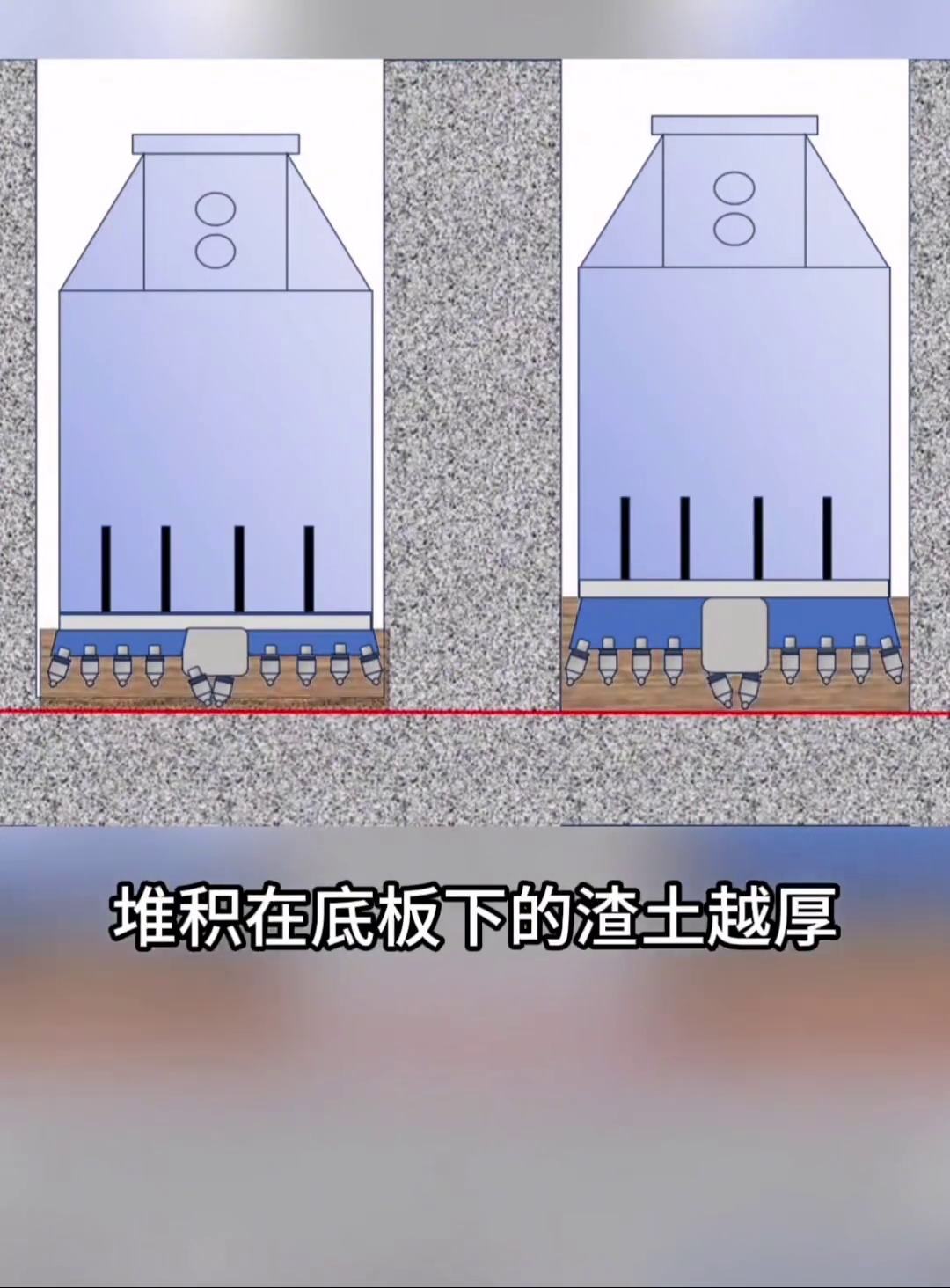
Here the cutters are being buried by material below the plate. That is different from a clean bucket with worn teeth.
| What happens on the rig | What to inspect | What it may mean |
|---|---|---|
| Rotation continues but penetration suddenly drops | Bucket underside and tooth exposure | Clay has formed a load-bearing pad under the tool |
| The bucket returns as one dense lump | Fill level and discharge time | The loading cycle is too long for this spoil |
| The bucket is clean but skates at the bottom | Bore-bottom condition and load response | The surface has been smeared or polished |
| Penetration remains poor after cleaning | Teeth, holders, cutting edge and hydraulic response | Wear, wrong tooling or a machine-side fault may be involved |
| The door will not open freely | Hinges, latch and packed material | The tool can fill but cannot discharge efficiently |
Torque and crowd readings still matter, but they make more sense after the physical condition of the tool is known.
Why sticky clay makes a bucket ride on its own spoil
A bucket has to do three things in one rotation: cut new material, move it through the opening and retain enough of it to lift. Sticky clay can break that sequence. Instead of flowing through the opening, it smears across the bottom plate. Each turn adds another layer until the cutters lose contact.
The video first demonstrates two geometry changes on a double-bottom bucket: changing the centre-tooth position and increasing the effective soil-entry opening.
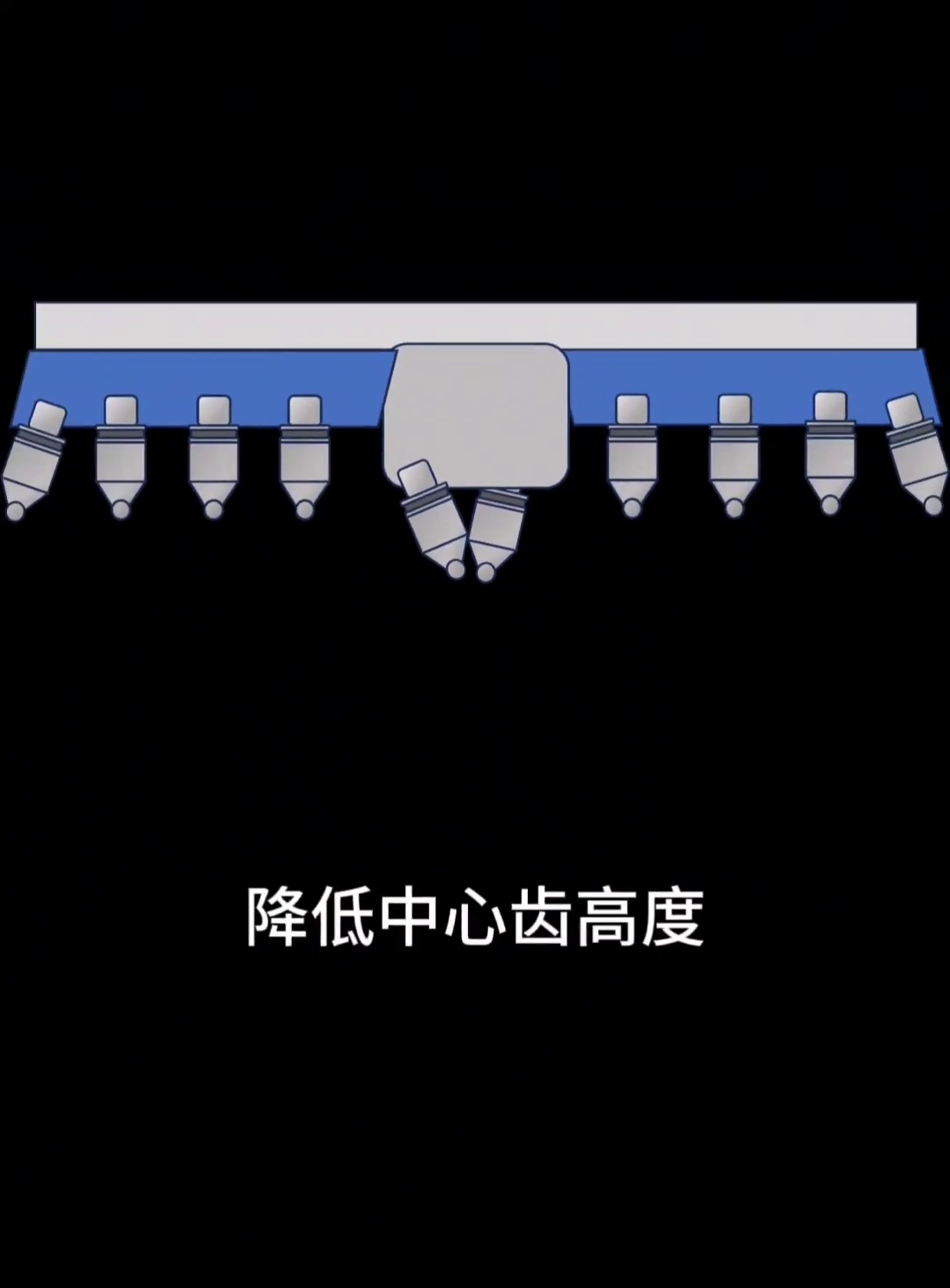
The footage uses the centre-tooth position to explain how cutter contact changes as clay accumulates. Any physical alteration should be confirmed by the bucket manufacturer or a qualified tool specialist.
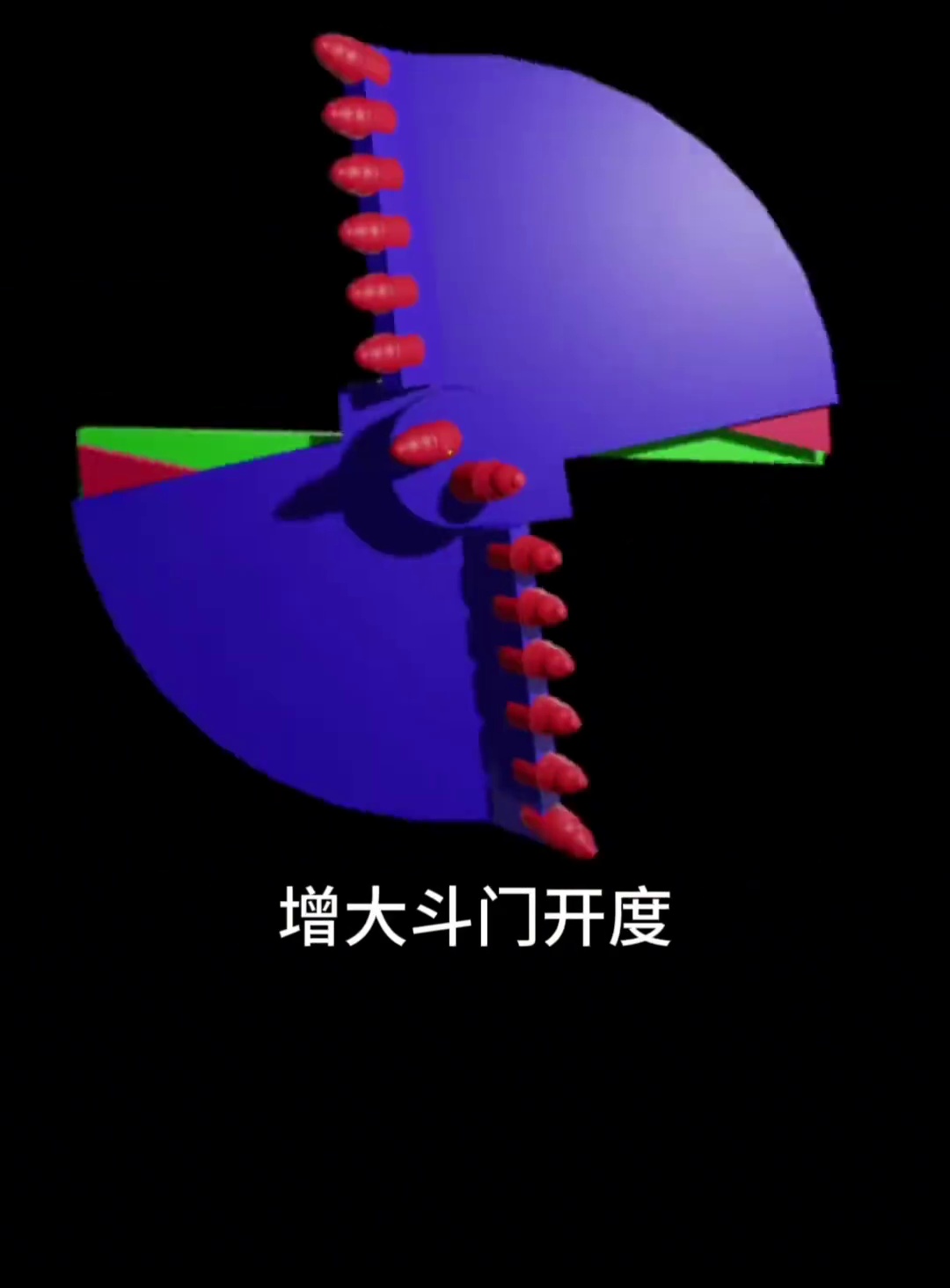
The useful measurement is the clear opening when the door is working—not the apparent size of the plate when the bucket is clean.
Before replacing anything, photograph the bottom, measure the opening and note the tooth projection. Then run several comparable passes and record penetration and clean-out time. Without a before-and-after record, a modification can feel better without improving completed metres per shift.
What an anti-caking bucket is trying to change
The second bucket in the video combines an inclined cutting plate, an open material path and side relief. Those features are intended to keep soft cohesive spoil moving into and out of the tool instead of compressing beneath it.
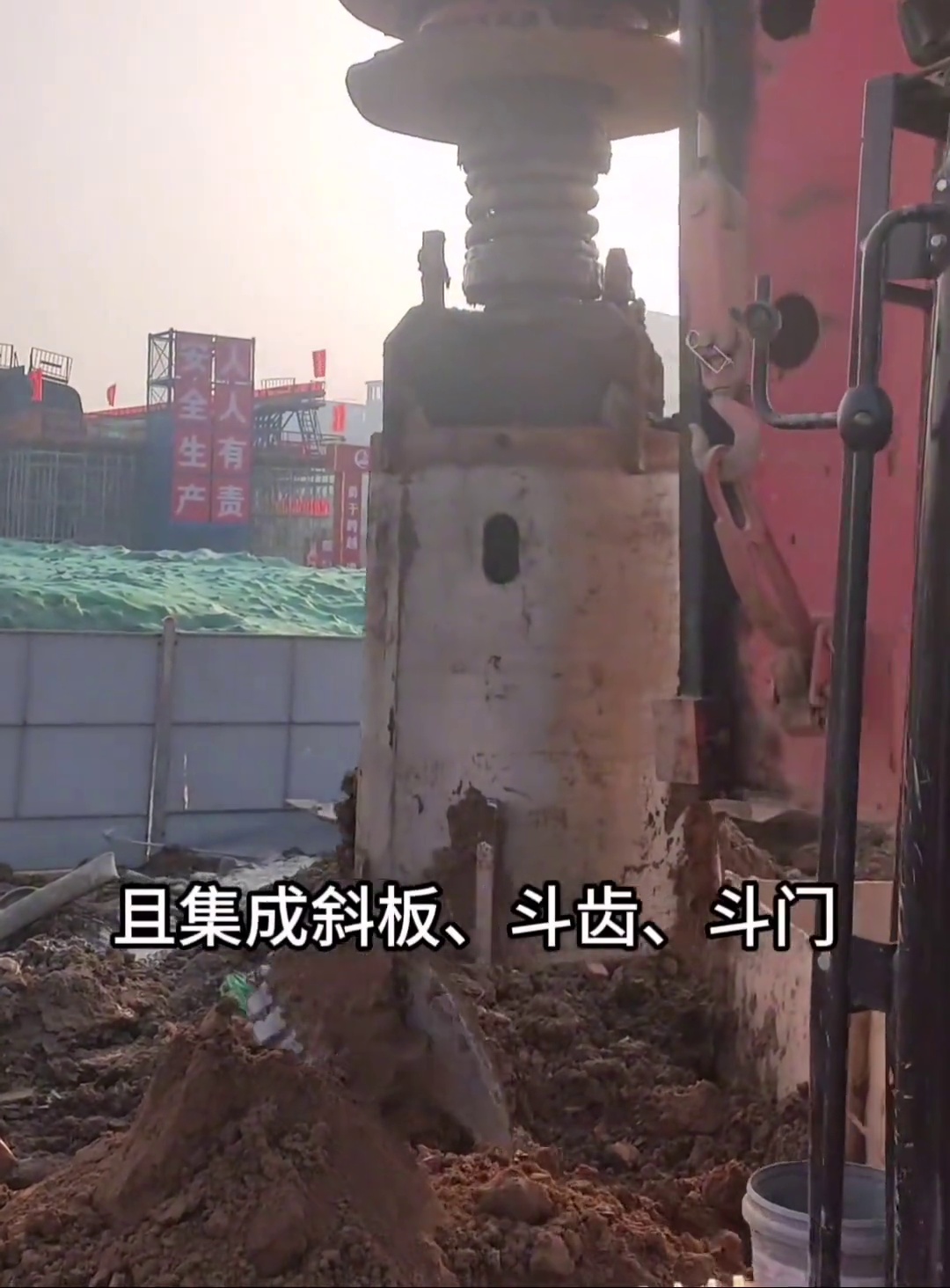
Read the assembly from left to right: the teeth cut, the opening accepts the ribbon of clay and the door must still release it at the spoil point.
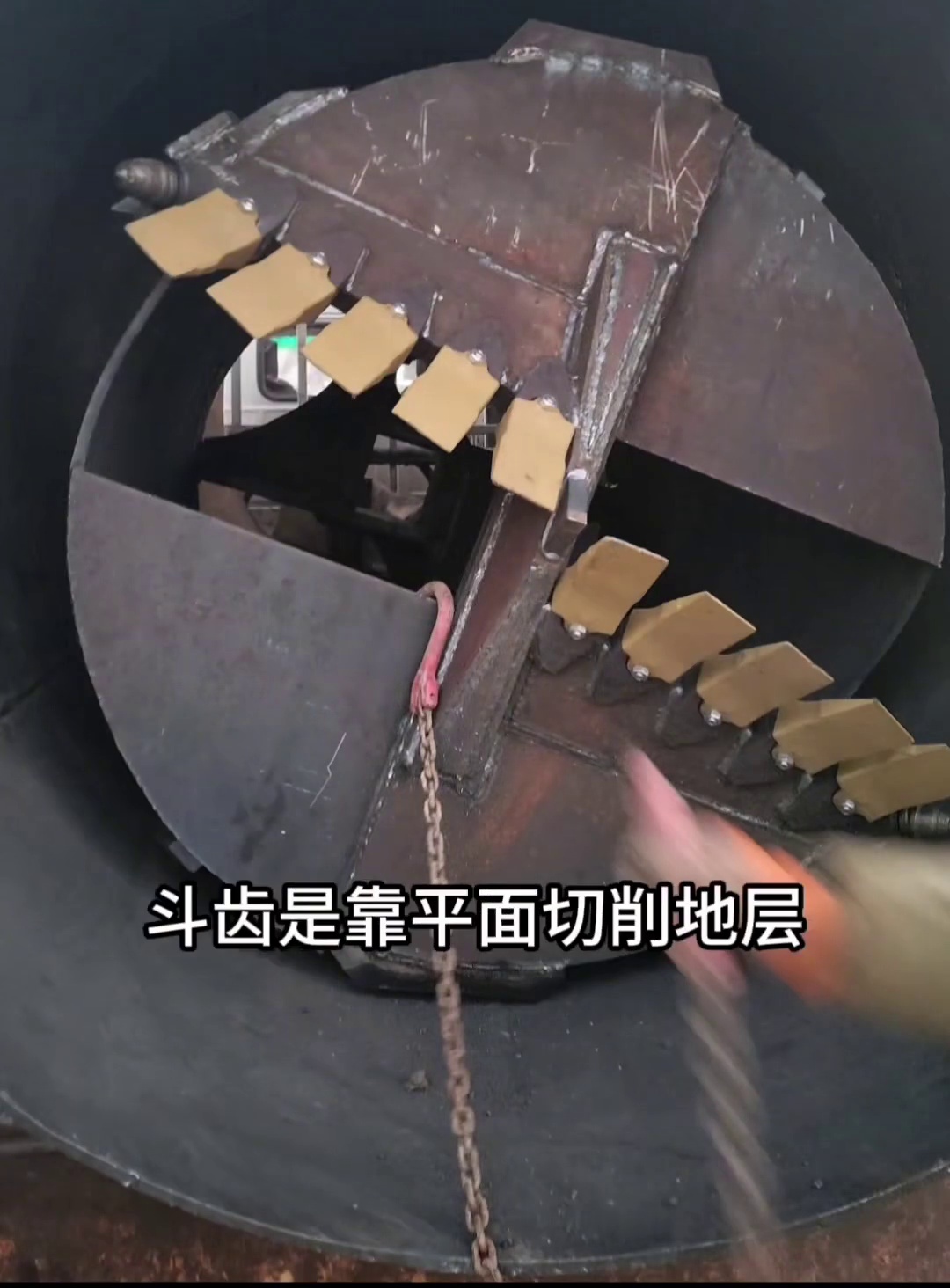
In this soft, sticky material, the video favours a slicing tooth action over a narrow point that smears the surface.
That comparison needs one important boundary. Tooth shape should not be chosen by a slogan. Wedge or flat teeth can work well in soft cohesive soil, while conical bullet teeth are commonly used on rock augers for highly compacted clay and soft rock. Soil consistency, abrasiveness, groundwater and discharge behaviour matter more than a simple “flat versus bullet” rule.
Soilmec’s bored-pile guide likewise separates tool choices by formation: augers and buckets cover different combinations of clay, cohesionless soil and groundwater, while rock augers and stronger cutting systems are used as clay becomes highly compacted or rock is encountered. See the Soilmec bored-pile guide.
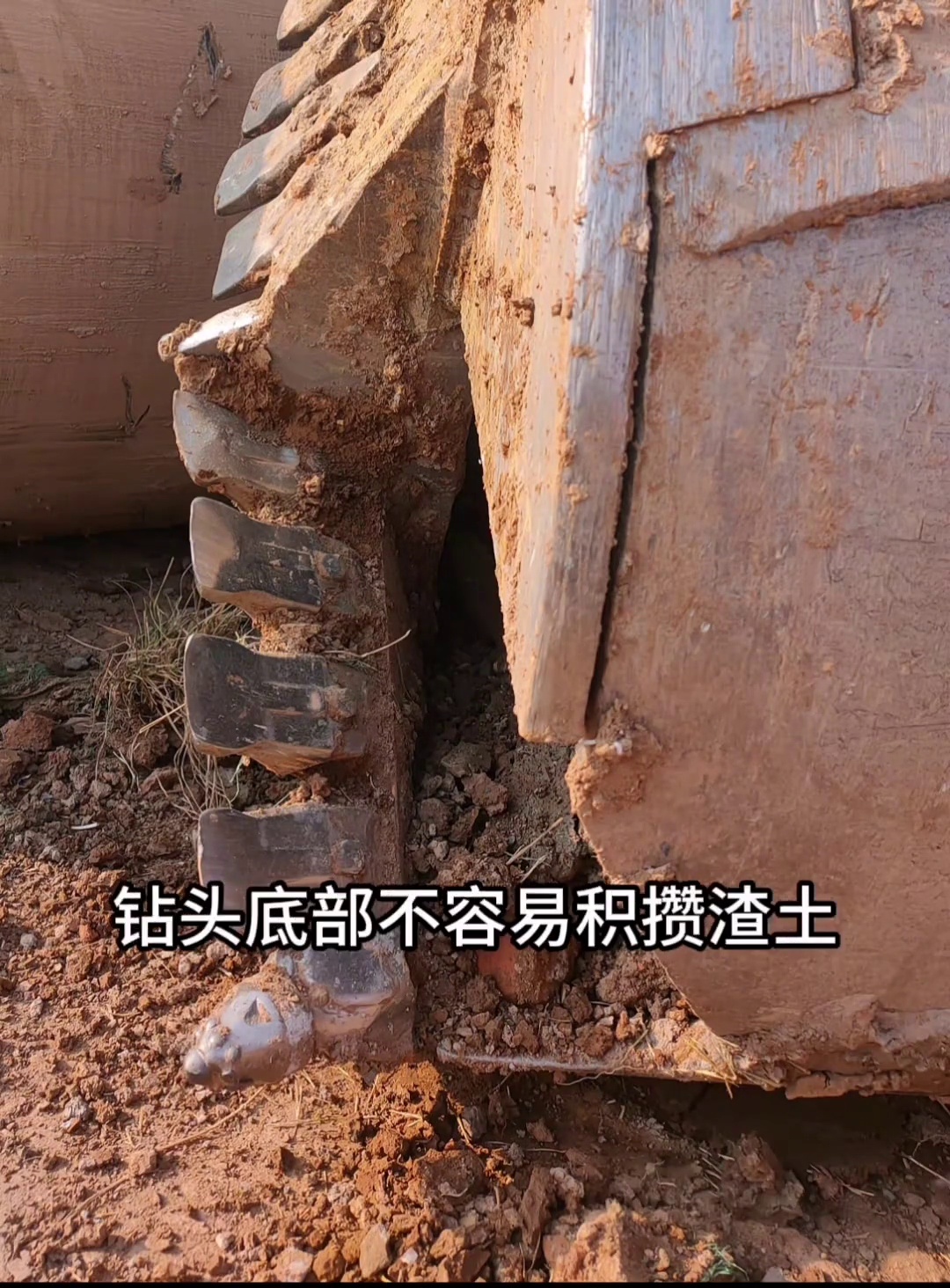
A cleaned catalog photo cannot prove this result. Ask for the underside immediately after drilling and look for exposed teeth, a free door and a clear entry path.
Bucket or auger: what changes for the buyer?
The video also shows a more open single-flight auger arrangement. It exposes the cutting path and can reduce the closed surface on which clay packs, but it retains and lifts spoil differently from a bucket.
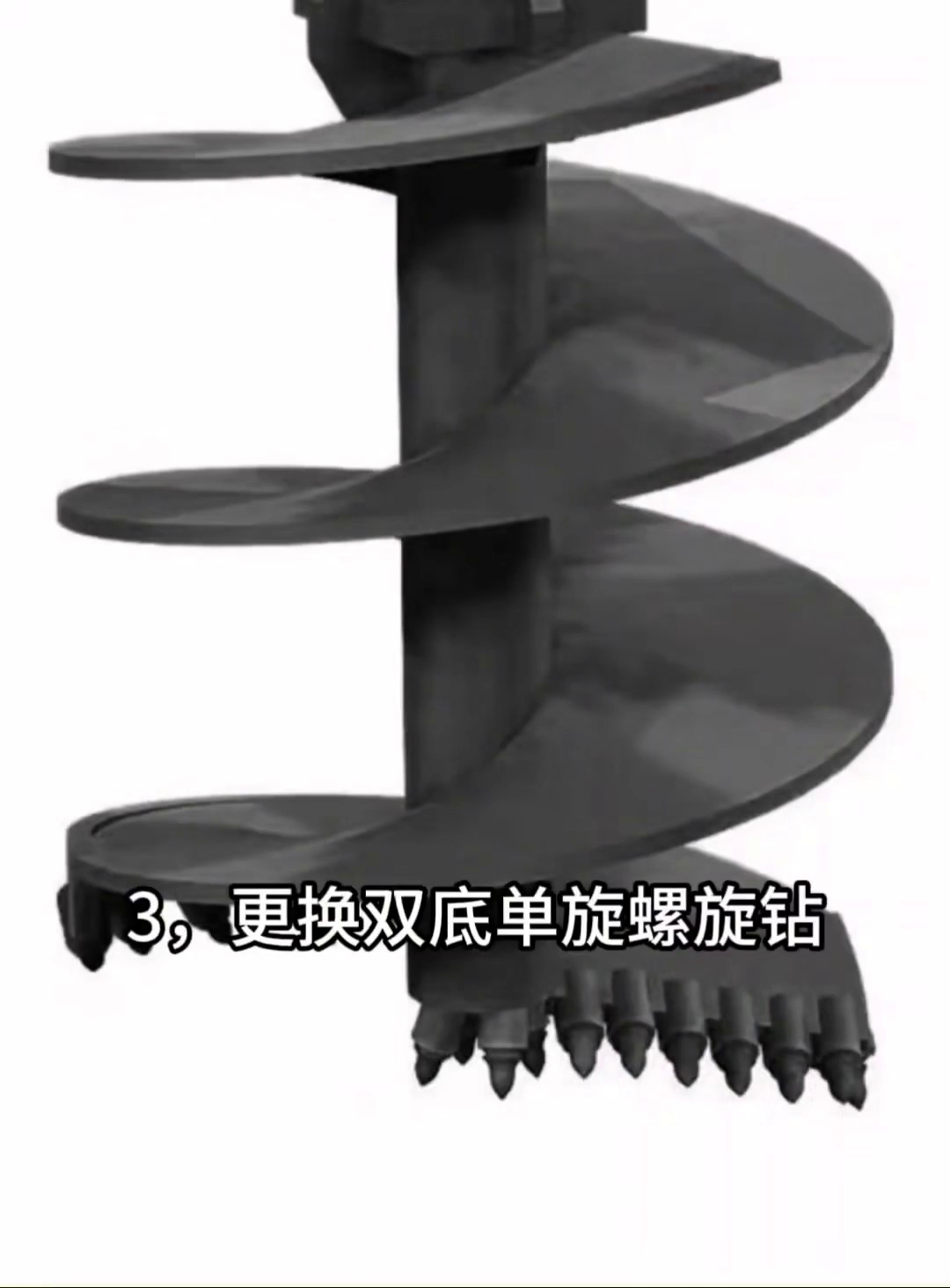
A more open tool may resist packing, but the connection, diameter, flight condition and spoil-retention behaviour still have to match the machine and bore.
There is no universal winner:
- A bucket can retain loose or wet material more effectively in some conditions.
- A more open auger may clear sticky material more readily in others.
- Groundwater can change both bore stability and the amount of spoil that falls back during lifting.
- Hard, highly compacted clay may require a more aggressive tool than the soft sticky clay shown here.
Official Chinese foundation-engineering guidance lists soil buckets, cutter buckets, body-open buckets and straight augers among the available choices for cohesive formations, with different options as the clay becomes harder. The table is a selection framework, not a replacement for the geotechnical report. See Guangdong technical standard, Table A.0.1.
For a used-rig purchase, confirm that every included tool fits the kelly connection and intended bore diameter. A useful extra bucket that cannot connect to the supplied kelly is not part of a working package.
Clear the packed tool before returning to the bore
Once the underside has caked over, the footage lifts the bucket and clears the packed spoil outside the bore. It specifically warns against returning the same clay pad to the bottom and immediately forcing it down.
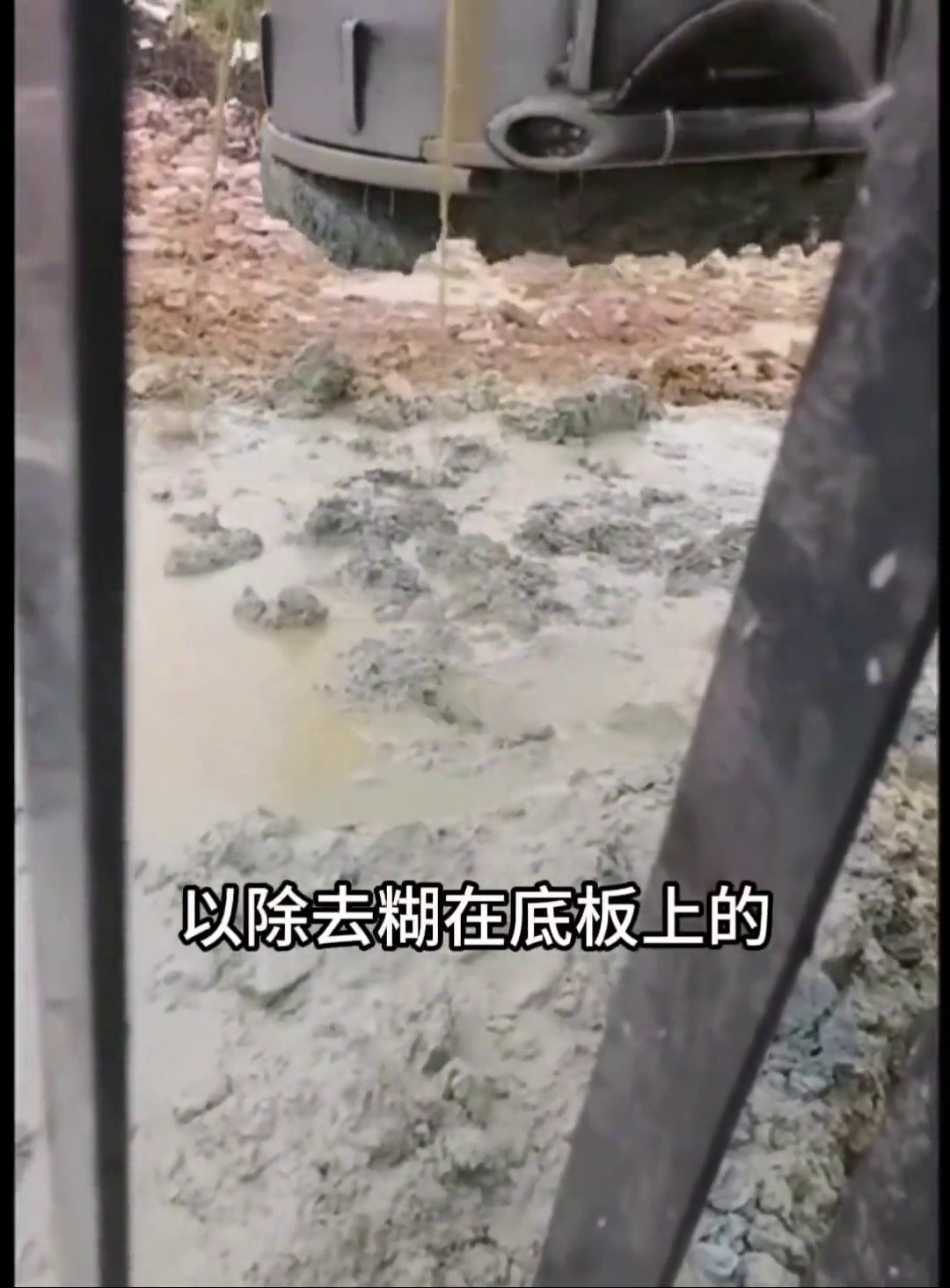
Clean the underside, opening and door—not just the inside of the shell. Residual clay below the plate can rebuild the same problem on the next pass.
The video also shows water and granular material being used to break up the cohesive spoil. Treat this as a site-specific demonstration, not a standard remedy: either change can affect bore stability, slurry control and final cleaning. It should only be considered within the approved construction method.
Why a 60–80% load can be faster than a full bucket
In the demonstrated clay, the operator is advised to stop each pass at roughly 60–80% rather than packing the bucket solid.
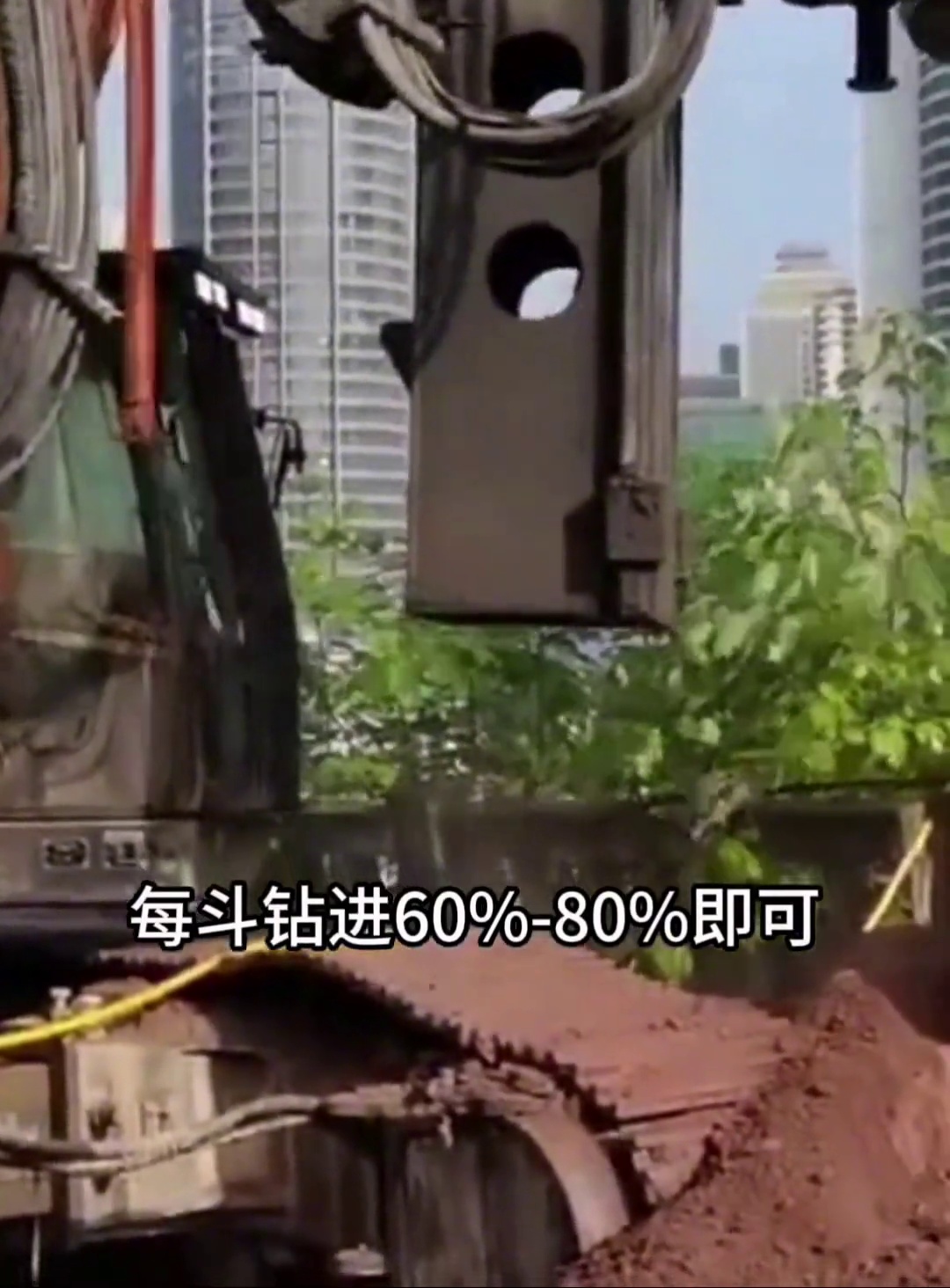
The percentage is an observation from this field method, not a rated capacity for every bucket. Its value is in changing the full cycle, not just the fill stage.
Production is not measured by how full the bucket looks. It is the amount removed over the complete drill–lift–swing–discharge–return cycle:
Approximate hourly output = spoil removed per cycle ÷ complete cycle time
If the last part of filling adds 20 seconds of drilling but creates two minutes of clean-out, the fuller bucket loses. Record three numbers over several passes—drilling time, discharge time and estimated volume—and compare the complete cycle. That gives the buyer better evidence than a short clip of an empty rig spinning at speed.
Recovering when the bore surface has become slick
Bottom caking and surface slip are related but not identical. After the bucket is cleaned, the cutting face may still be smooth enough for the tool to skate.
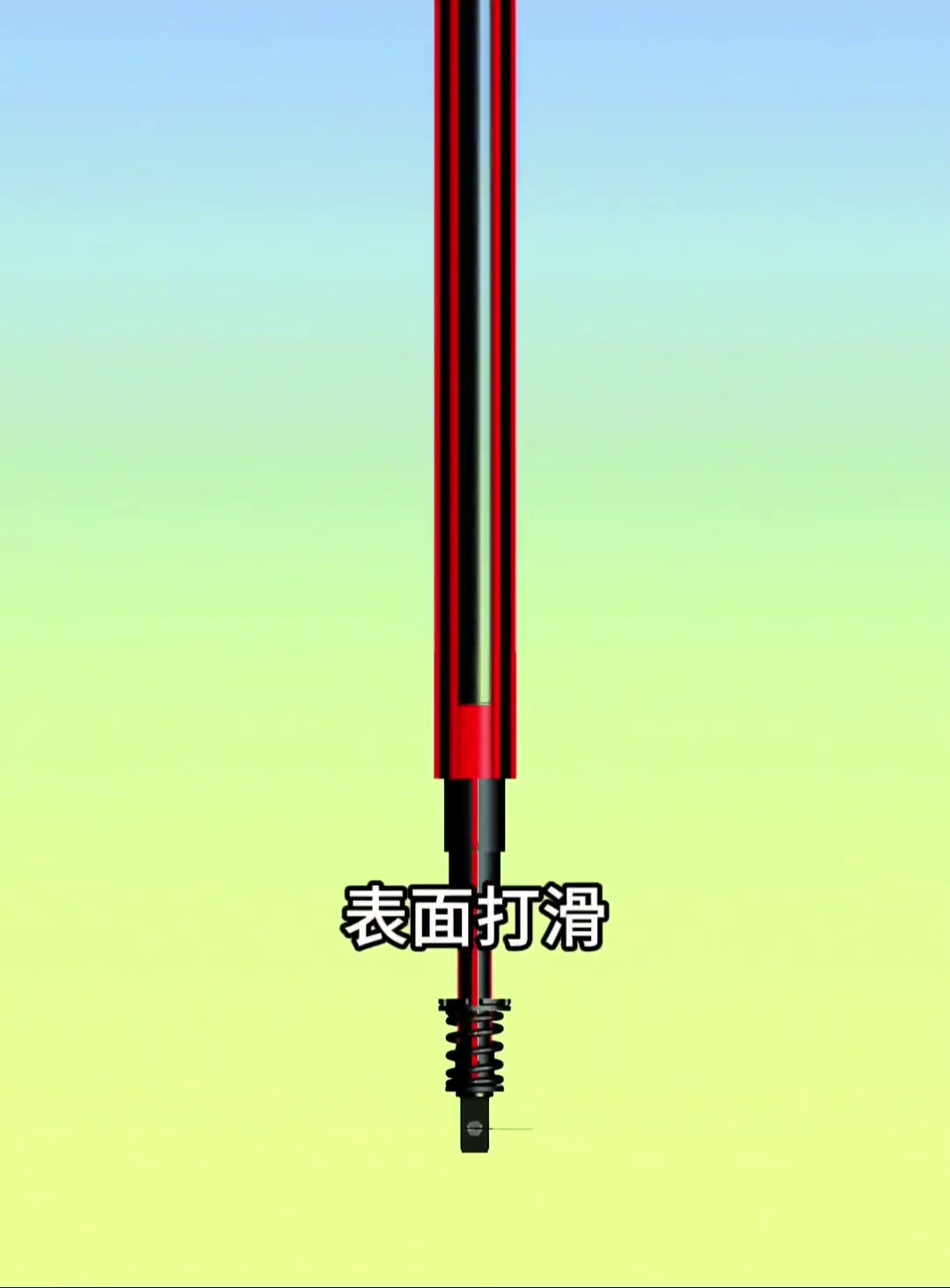
A clean tool can still rotate without bite if the surface below it has been smeared.
The recovery shown in the footage is controlled:
- Lift the rotary head and unload the tool.
- Lower it back without applying full crowd.
- Start rotation and add crowd gradually.
- Increase pressure only after a stable cutting load appears.
- Stop and reassess if penetration does not return or the rig response becomes abnormal.
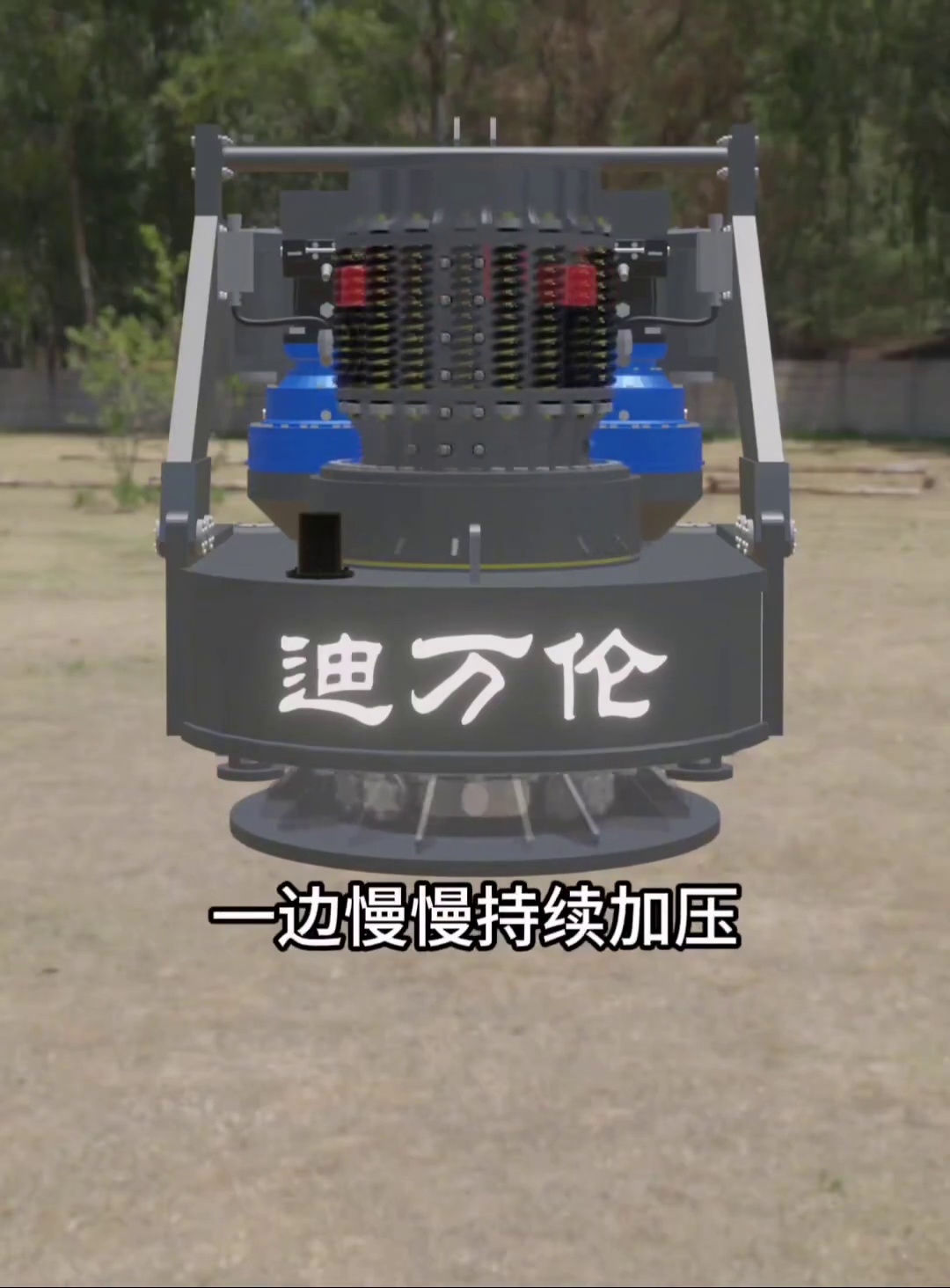
The operator is looking for a stable rise in cutting resistance, not an abrupt pressure spike.
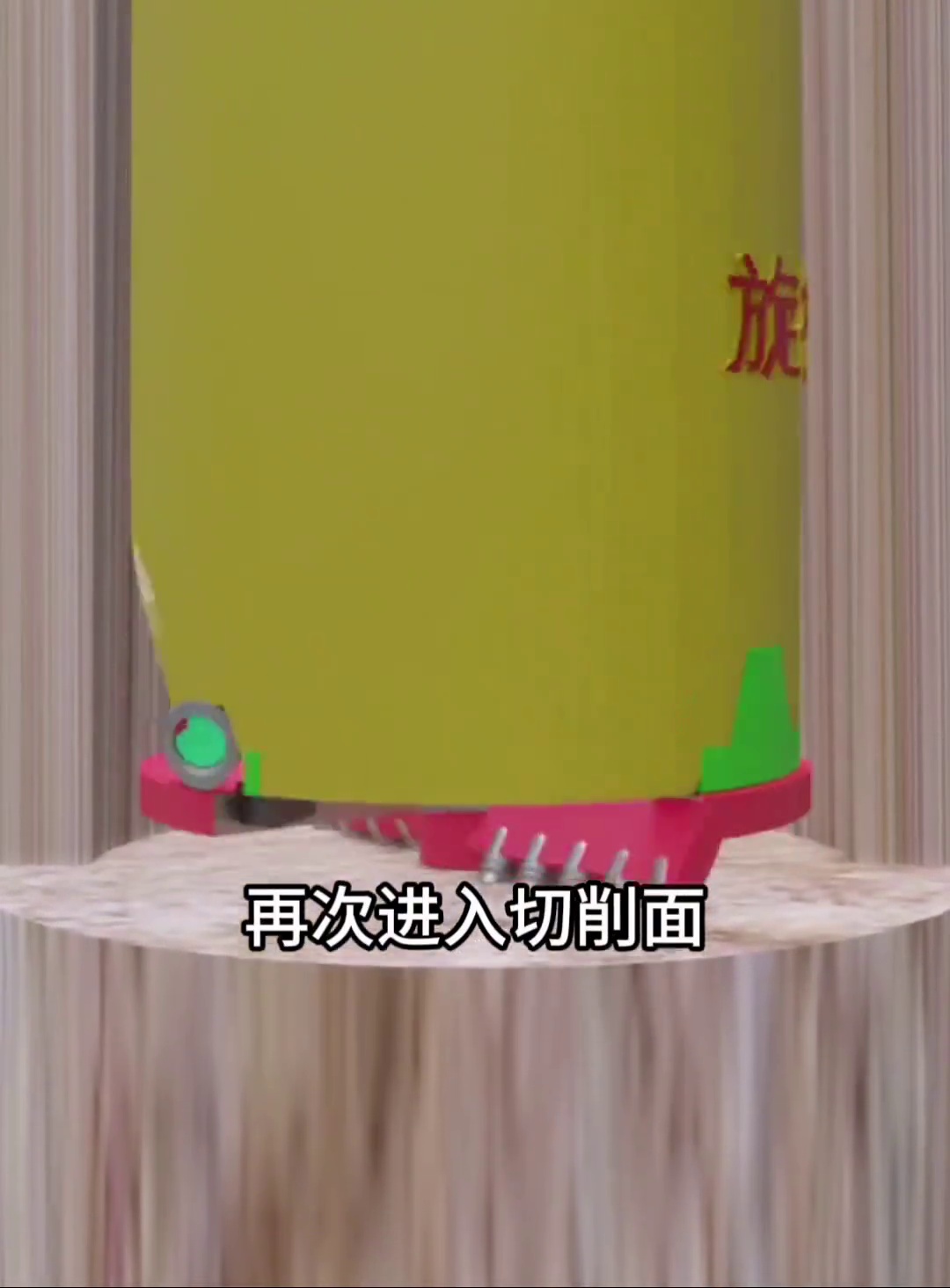
The successful end state is fresh cutting with measurable penetration per revolution.
The machine’s pressure and torque limits still apply. This sequence is a diagnostic restart, not permission to exceed them.
What to inspect before buying a rotary rig for clay work
Use the seller’s drilling video as the start of the inspection, not the conclusion.
Tool package
- List every bucket and auger by diameter.
- Photograph the underside and connection of each tool.
- Check tooth wear, loose holders, cracks and repair welds.
- Cycle the door and latch under realistic contamination.
- Confirm the kelly and tool connections match.
Machine under load
- Request one continuous clip from entry to discharge.
- Record penetration over a known time or number of revolutions.
- Watch rotary response while the tool is carrying load.
- Check crowd-system movement and abnormal leakage.
- Compare the instrument display before cutting, under load and during lifting.
Job context
- Obtain bore diameter and depth.
- Ask for the soil description and groundwater level.
- Identify whether the clip shows soft sticky clay, hard clay or mixed ground.
- Record fill level, clean-out time and any additives used.
Globmach’s equipment catalog can show the available rigs, but tool suitability still depends on the project. When you send an inquiry, include the required bore diameter and depth, soil profile, groundwater level, and photos of the buckets or augers. That allows the machine and tool package to be compared together and exposes missing evidence before shipment.
Two questions buyers still ask
Will a higher-torque rig solve clay caking?
Not by itself. More torque may rotate a packed tool more forcefully without returning the teeth to fresh soil. Confirm the failure mode first. Machine capacity matters once the cutting and spoil path are working.
What is the single most useful test video?
A continuous, uncut cycle using the actual rig and included tool in described soil: entry, loaded drilling, lifting, door opening, discharge and the underside immediately afterward. It reveals more than separate beauty shots or a no-load rotation test.
Source note: the field images were extracted from the supplied video. Globmach is not presented as the operator or originator of the demonstration. Check any field response against the geotechnical report, approved method, tool design and machine limits.